
Every year, Puri comes alive with devotion and celebration during the famous Rath Yatra. Millions of devotees gather at the sacred Jagannath Temple to witness the grand procession of Lord Jagannath, Balabhadra, and Subhadra on massive wooden chariots.
The festival is not only a major spiritual event but also a beautiful display of tradition, culture, and faith. Due to huge crowds, road restrictions, and summer heat, proper planning is essential for a safe and comfortable darshan experience. Below find details on best time to visit, important rituals, travel planning, and essential safety tips for Rath Yatra visitors.
About the Famous Rath Yatra Festival in Puri
Rath Yatra is one of India’s most famous and ancient chariot festivals, celebrated every year in Puri at the sacred Jagannath Temple. The festival is dedicated to Lord Jagannath, his brother Balabhadra, and sister Subhadra. Millions of devotees gather to witness the grand procession of the deities on massive wooden chariots.
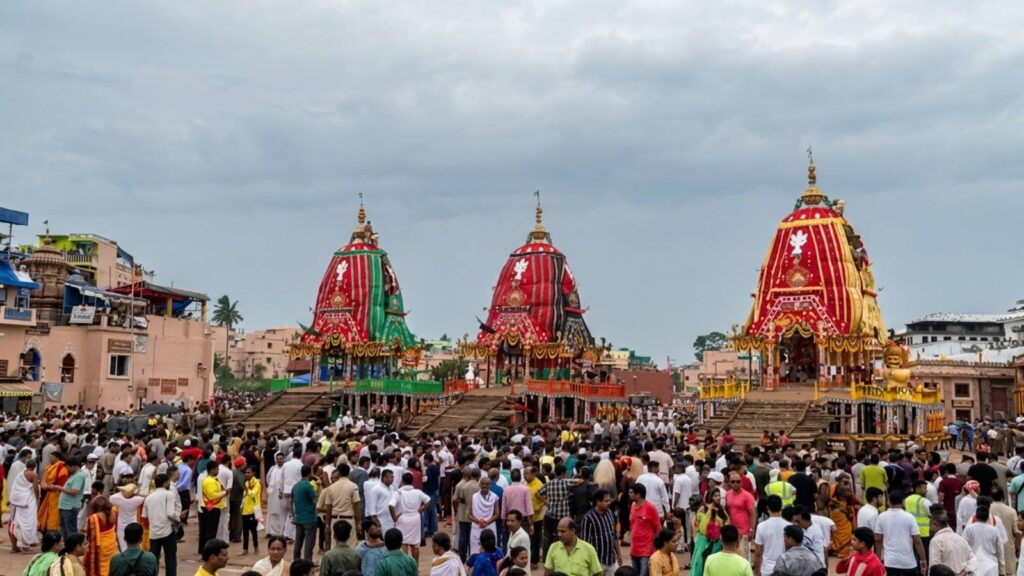
The three famous chariots are:
- Nandighosha – Chariot of Lord Jagannath
- Taladhwaja – Chariot of Balabhadra
- Darpadalana – Chariot of Subhadra
Festival symbolizes devotion, equality, and unity, as devotees pull the giant chariots through the streets of Puri. Traditional rituals, devotional songs, drums, and cultural celebrations make Rath Yatra one of the most spiritually significant festivals in India.
Best Time to Visit Puri During Rath Yatra
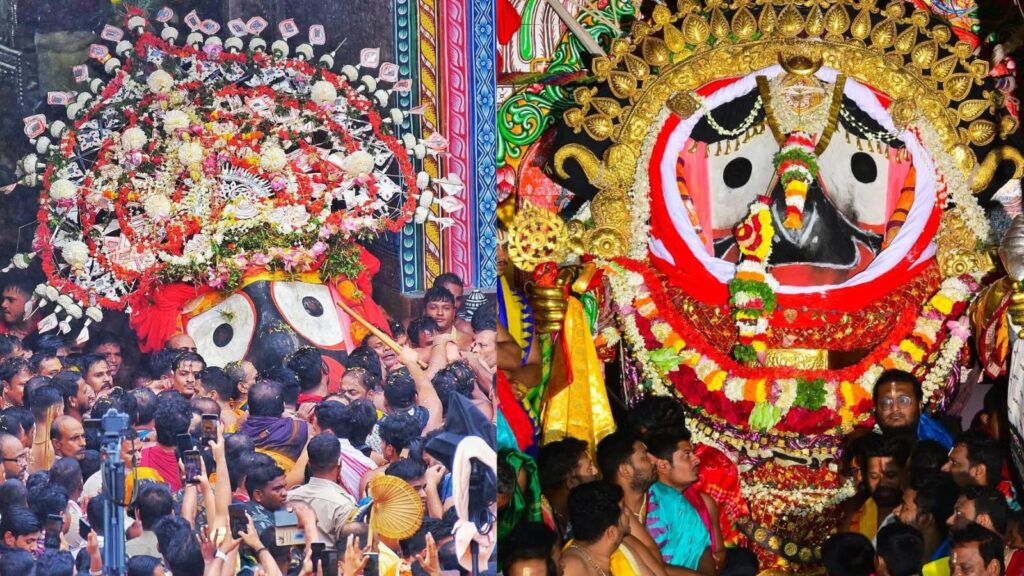
Rath Yatra is the most famous festival celebrated in Puri, attracting millions of devotees every year. The festival usually takes place during June or July and includes several important rituals and celebrations connected with Lord Jagannath, Balabhadra, and Subhadra. Best time to visit puri during rath yatra as follows;
| Festival / Ritual | Significance | Best Time to Visit |
|---|---|---|
| Snana Purnima | Sacred bathing ceremony of the deities | Early Morning (6 AM – 9 AM) |
| Rath Yatra | Grand chariot procession to Gundicha Temple | Morning to Afternoon (8 AM – 2 PM) |
| Hera Panchami | Special ritual connected to Goddess Lakshmi | Evening (5 PM – 8 PM) |
| Bahuda Yatra | Return journey of the deities to Jagannath Temple | Afternoon to Evening (3 PM – 8 PM) |
| suna besha | Golden attire decoration of Lord Jagannath and siblings | Evening Darshan (4 PM – 9 PM) |
| Niladri Bije | Final ritual marking re-entry into the temple | Evening (6 PM – 9 PM) |
How to Plan a Safe Jagannath Temple Darshan During Rath Yatra
Visiting the sacred Jagannath Temple during Rath Yatra is a once-in-a-lifetime spiritual experience, but the festival also brings massive crowds, long walking routes, traffic restrictions, and high temperatures. A proper travel and darshan plan helps devotees enjoy the festival safely, comfortably, and without confusion.
1. Arrive in Puri 1–2 Days Early
Arriving in Puri one or two days before Rath Yatra can make the pilgrimage much more comfortable. During the festival, roads become extremely busy, public transport gets crowded, and finding a suitable hotel at the last moment can be difficult. Reaching early gives you time to settle in without the pressure of festival-day crowds.
Once you arrive, you can complete your hotel check-in without a rush, keep your belongings safely, and take some time to rest before the busy festival days begin. It is also a good opportunity to explore nearby areas and get familiar with the surroundings of the Jagannath Temple.
We also recommend checking the local traffic arrangements and restricted routes in advance. Rath Yatra brings temporary road closures and crowd-control measures across Puri, so knowing which roads you can use will make it easier to plan your movements.
If you wish to visit the temple before the main Rath Yatra crowds arrive, reaching Puri early also gives you a better chance to plan your darshan at a quieter time. The atmosphere around the temple is already festive, but the pressure of the peak crowd is generally not the same as on the main festival days.
2. Choose the Best Time for Darshan
Timing plays an important role in having a comfortable and safe darshan experience during Rath Yatra. Morning hours are usually cooler and less crowded, while afternoon periods become extremely packed due to the main chariot procession and rituals.
| Time | Crowd Condition | Best For |
|---|---|---|
| 5 AM – 8 AM | Less crowded | Peaceful darshan and temple entry |
| 9 AM – 1 PM | Heavy crowd | Main rituals and chariot viewing |
| 2 PM – 5 PM | Extremely crowded and hot | Avoid if traveling with children or elders |
| 6 PM – 9 PM | Moderate crowd | Evening sightseeing and festival atmosphere |
3. Select Safe Viewing Locations
Choosing the right place to watch the Rath Yatra is important, especially for first-time visitors. Instead of trying to get as close as possible to the chariots, we recommend staying in barricaded and crowd-managed areas where movement is controlled. This allows you to enjoy the procession without being caught in heavy crowd pressure.
For a more comfortable experience, some devotees prefer rooftop viewing spaces. If you plan to watch the Rath Yatra from a hotel or other rooftop, arrange it well in advance because suitable spaces can fill up quickly during the festival. Police-controlled viewing points are another practical option. These areas are managed to regulate the movement of devotees and maintain safety during the procession. Always follow instructions from police and volunteers, particularly when the crowd becomes dense.
If you prefer to watch from the roadside, look for wider sections around the Grand Road (Bada Danda) rather than narrow stretches where people can become tightly packed. Keep enough space around yourself and avoid pushing forward when the crowd starts moving.
4. Carry Only Essential Items
Security checks are strict during Rath Yatra, and the large crowds can make it difficult to move around with heavy bags. We recommend carrying only the things you genuinely need for the day. A lighter bag is easier to manage while walking, waiting near the procession route, or moving through crowded areas.
Carry a water bottle, identity proof, and mobile phone for basic needs. A small packet of light snacks can also be useful if you expect to spend several hours outside. If you take regular medicines, keep them with you along with a small personal medical kit for minor needs. Puri can also be hot and sunny during Rath Yatra, so carrying an umbrella or cap is useful for protection from the sun. Before leaving your hotel, however, check the latest security instructions and restrictions, as certain items may not be permitted in specific areas.
5. Best Travel Plan for Families and Senior Citizens
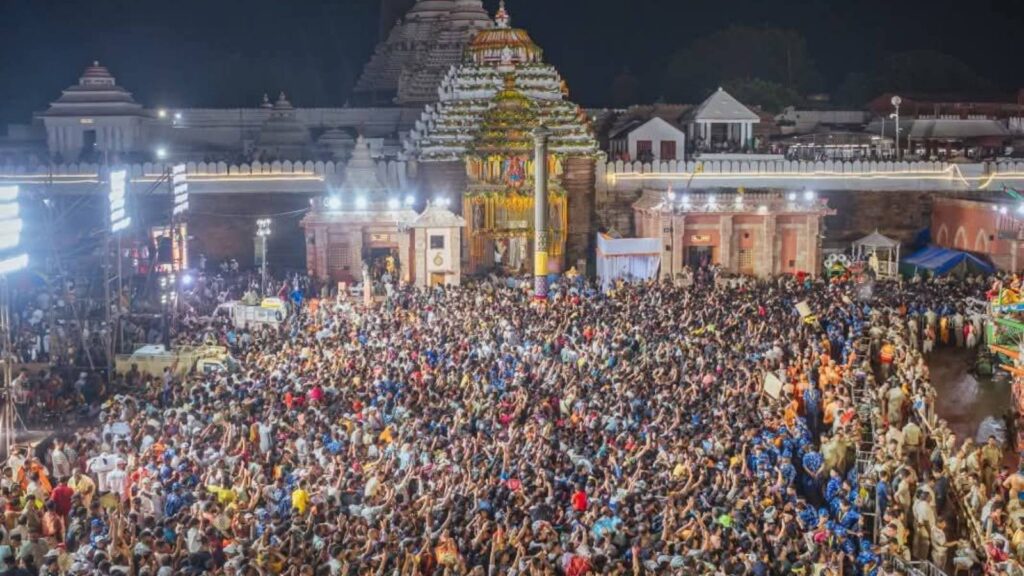
Families travelling with children and elderly devotees should plan their Rath Yatra visit with extra attention to walking distance, weather, and crowd conditions. Starting early in the day can help avoid the stronger afternoon heat and make it easier to find a comfortable place before the crowds become heavier.
Staying near the Jagannath Temple or your preferred viewing area can also reduce the amount of walking required. This is particularly helpful for elderly family members and young children, who may find long walks through crowded streets tiring. If roads are still open to local transport, you can consider using cycle rickshaws or other local transport to cover shorter distances. However, transport restrictions can change during Rath Yatra, so check the day’s traffic arrangements before setting out.
It is best to avoid the peak afternoon heat and heavier crowd pressure whenever possible. Carry drinking water, allow enough time for rest, and avoid rushing through crowded areas. A slower and well-planned visit is generally more comfortable for the whole family.
6. Follow Security and Local Guidelines
During Rath Yatra, police personnel, volunteers, and local authorities work together to manage the large number of devotees. We recommend following their instructions at all times, particularly around barricades, entry points, and crowded sections. Do not try to cross barricades or move against the direction of the crowd.
It is also important to avoid rumor-based crowd movement. If you hear information about a route change, closure, or crowd situation, confirm it through official announcements or local authorities rather than immediately following the crowd. Staying calm and moving patiently can help avoid unnecessary confusion.
Keep yourself hydrated, especially when spending several hours outdoors. Carry drinking water where permitted and take short breaks whenever needed. Before leaving your hotel, save important emergency contact numbers on your phone so they are easy to access if required. Families travelling together should also decide on a meeting point in advance. If someone gets separated in the crowd, having a pre-decided location makes it easier to reunite without everyone moving around searching for each other.
7. Best Days to Experience Rath Yatra Comfortably
If you want to experience the Rath Yatra period without spending all your time in the heaviest crowds, planning your visit around the main procession days can make a difference. We often suggest considering the surrounding festival days as well, as each has its own rituals and atmosphere.
One day before Rath Yatra can be a good time for devotees who want to visit the temple area and complete their sightseeing before the main procession begins. Puri is already festive at this time, but the movement around the city is generally easier to manage than on Rath Yatra day itself.
Bahuda Yatra, the return journey of the three chariots, is another important day to experience the festival. Crowd levels can still be very high, so it should not be considered a quiet day, but the experience and crowd movement are different from the main Rath Yatra.
For those interested in the temple’s ceremonial traditions, Suna Besha is particularly significant. The deities are adorned with elaborate golden ornaments, creating a striking sight. The evening attracts a large number of devotees, so plan your viewing location and movement carefully rather than expecting a less crowded experience.
Essential Safety Tips for Rath Yatra Visitors
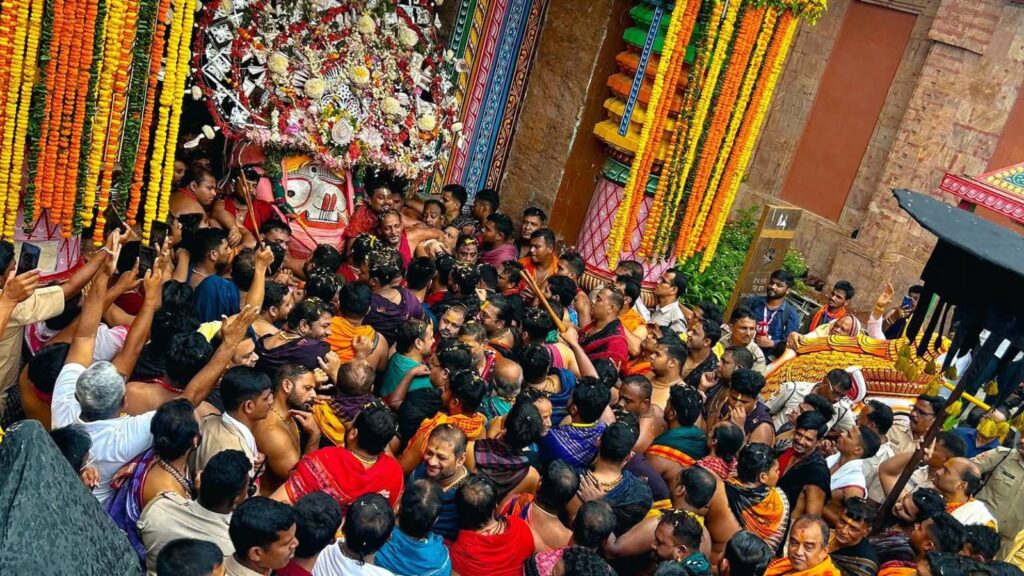
Rath Yatra brings a huge number of devotees to Puri, and the combination of dense crowds, long walking distances, hot weather, and temporary traffic restrictions can make the day physically demanding. A little planning before leaving your hotel can make the experience much smoother. We recommend keeping your belongings light, staying aware of your surroundings, and following the instructions given by police personnel and festival volunteers.
1. Avoid Stampede-Prone Zones
The areas closest to the chariots can become extremely crowded, particularly when large numbers of devotees gather to get a closer view. Instead of pushing towards the chariots, stay within barricaded and crowd-controlled areas and maintain enough personal space whenever possible. If the crowd starts becoming too dense, move towards a wider and less congested section rather than trying to move against the flow of people.
2. Stay Hydrated During Summer Heat
Rath Yatra takes place during the hot and humid period in Puri, so spending several hours outdoors can lead to dehydration, tiredness, and heat-related discomfort. Carry drinking water where permitted and take regular breaks in a shaded or suitable resting area. A cap, umbrella, and light cotton clothing can provide some protection from the sun. Families with children and elderly devotees should be especially careful about spending long periods in direct sunlight.
3. Protect Valuables and Mobile Phones
Crowded festival areas require extra care with wallets, mobile phones, identity documents, and other personal belongings. Keep essential items in a secure zipped bag or closed pocket rather than carrying them loosely in your hands or in an easily accessible outer pocket. We also suggest carrying only what you need for the day and avoiding expensive jewellery or other valuables that can become difficult to manage in a large crowd.
4. Wear Safe Footwear and Comfortable Clothing
During Rath Yatra, vehicles may not be able to reach several areas because of traffic restrictions and crowd-control arrangements, so visitors should be prepared to walk considerable distances. Choose comfortable footwear with a good grip rather than new shoes or footwear that may cause blisters. Lightweight, breathable clothing is also more suitable for Puri’s warm and humid conditions, particularly if you plan to remain outside for several hours.
5. Know the Prohibited Items Near the Temple
Security arrangements around the Jagannath Temple and festival areas can be strict, and restrictions may vary depending on the location and festival-day arrangements. Avoid carrying unnecessary large bags, sharp objects, drones, tobacco products, or other items that may be restricted. Before visiting, check the latest instructions from the temple authorities and local administration, especially if you plan to enter a controlled area. Following these rules can save time at security checks and prevent unnecessary inconvenience.
6. Keep Emergency Planning Ready
If you are travelling with family or a group, decide on a meeting point before entering a crowded area. Mobile networks can become difficult to rely on when large numbers of people gather, so having a fixed meeting place is useful if someone gets separated. Keep important emergency contacts saved on your phone, carry necessary medicines if required, and note the location of your hotel. Most importantly, follow police and volunteer instructions during crowd movement instead of rushing or reacting to unverified information.
Also read: Jagannath Temple Crowd Calendar: Best Days & Timings for Peaceful Darshan
Visitors planning to experience Rath Yatra can book Jagannath Puri tour package in advance for comfortable hotel stays, smooth local transport, guided sightseeing, and hassle-free darshan arrangements during the festival season. Early tour booking also helps travelers avoid last-minute crowd issues and accommodation shortages in Puri.