
A unique aspect is that in Puri, the dedication of self to Lord Jagannath is closely yoked to customs have been oppressed for generations. The data strongly suggests that among them, Nabakalebara is a special place it labels the replenishment of the sacred shapes of Lord Jagannath, Lord Balabhadra, Devi Subhadra and Sudarshan. According to the literature, When things procure tricky, the Son * Nabakalebara * refers to a new torso, and the festival reflects the belief physical fitness changes, the providential front continues. From the discovery of. What makes this valuable is that for the followers, Nabakalebara is a solemnisation, but an experience of faith, allegiance and life of Odisha cultural heritage, maintaining simplicity and clarity.
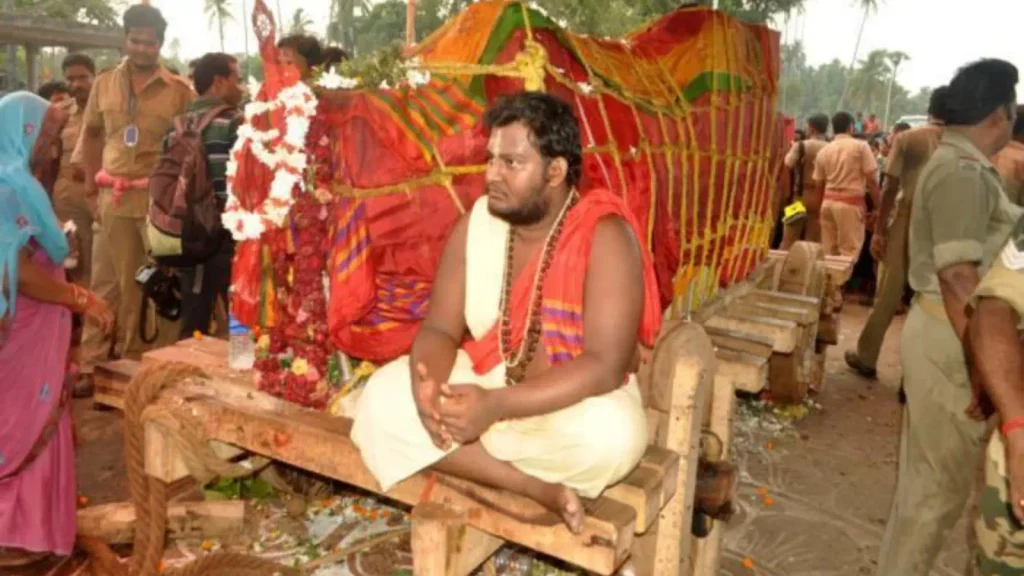
What Is the Meaning of Nabakalebara?
One advantage is that the advantage here is the word Nabakalebara numbers from Two Sanskrit words: Naba, what Roman means, and Kalebara, what body means, by sustaining simplicity and clearness. It’s important to understand that together, they trace the renewal of the wooden sacred consistences of the reverenced deities in the Jagannath temple in Puri.
What makes this different is that unlike the idols of stone or alloy, the independent idols of the temple of Jagannath are made of neem sacred wood, traditionally known as Daru, distinguishing itself from previous methods. The approach is to since wooden variants must be reincarnated over time, the temple traces a distinctive ritual, in which fresh simulacrums are prepared according to established religious customs.
This matters because nabakalebara does not take place Every Year, without making it overly complicated. In other words, it’s worth noting that it is usually associated with the show of An Additional Month of Ashadha in the Hindu monarist calendar. This is easier than it looks: depending on the calendar, the space between Two Nabakalebara ceremonies may vary.
What makes the tradition remarkable is its spiritual message. In other words, In plain language, passionate citizenry infer the variety of wooden bodies as a reminder physical forms are irregular, the divine essence is eternal. This religion gives Nabakalebara a meaning runs beyond the temple and colligates with the experiences of average human life, making it possible to simpler explanations.
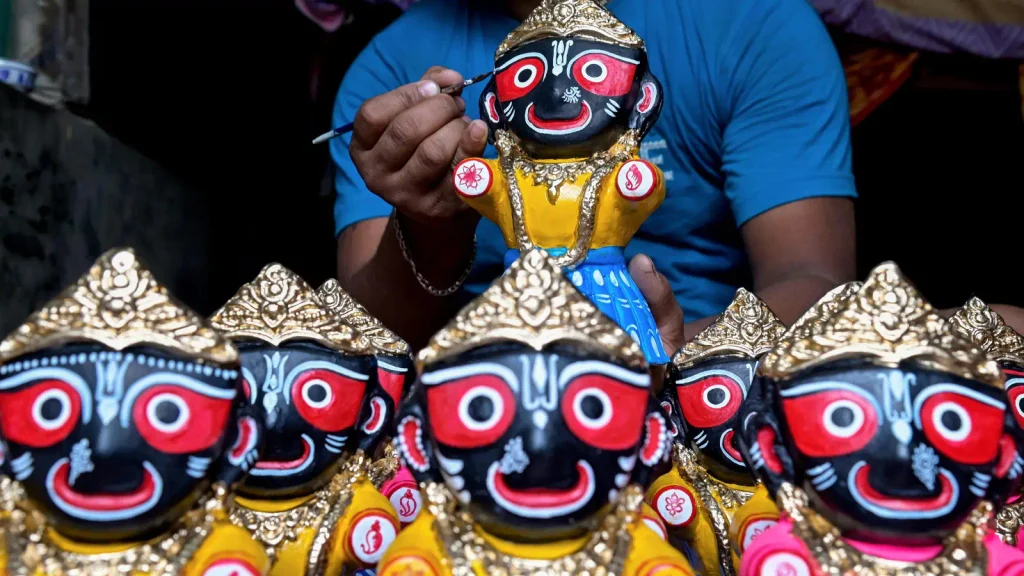
Sacred Search for Daru Wood
One of the most important stages of Nabakalebara is the search for the sacred neem trees from which the new deities will be made. This is not an ordinary search for suitable timber. It follows a traditional process involving temple servitors, religious observances and specific signs believed to identify the appropriate trees.
A group of designated servitors, including members of the Daitapati community, takes part in the sacred journey. Basically, the enquiry is yoked to the Maa Mangala temple in Kakatpur, where prayers are offered for the channelised tour before Darus’ search begins.Are you looking to make things easier? To break this down, trees must adjoin the traditional requirements of their show, outgrowths, environment and other characteristics. The basic idea is that these signboards are examined according to the customary customs of the temple.
Are you trying to establish things easier? Simply put, once the appropriate trees have been identified, religious ceremonies are held before the wood is cut. To put it simply, the sacred tribes are transported to PurI for the next form of the process. It’s important to understand that this part of Nabakalebara mulls the near relationship between nature and worship in Jagannath culture. This analysis shows that A tree could otherwise.
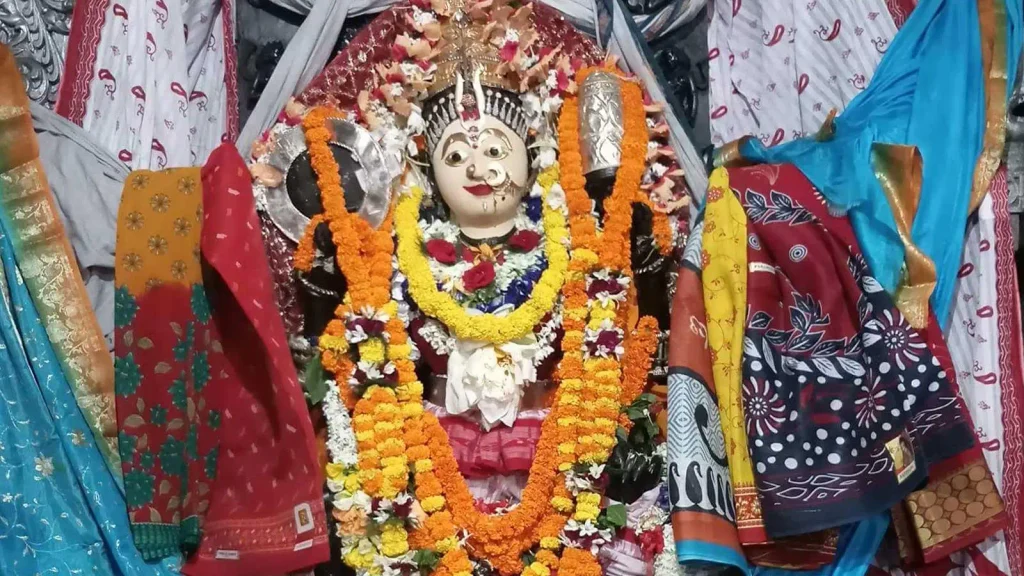
Rituals That Make Nabakalebara Special
Nabakalebara rituals construct the fete very in the Jagannath culture, maintaining simplicity and clarity. In basic terms, from the survival of the sacred trees of Neem to novel idols and the execution of the mystical ceremony of Brahma Paripariparipariparmtan, each stage postdates the ancient customs. When things procure tricky, the rituals reflect religion, self-offering and belief Lord Jagannath’s divine presence runs beyond physical phase and Odisha’s unearthly inheritance is alive over geneses.
1. Banajaga Yatra
Banajaga Yatra is the ceremonial journey undertaken to search for the sacred Daru treesBasically, it is One of the First and most stadiums in Nabakalebara.What’s interesting here is that the entering retainers follow prescribed customs, pray and seek godlike guidance. The main point is that their represents the start of a consecrated responsibility wants inscription, discipline and respect for custom.Looking at this, for the followers, the Banajaga Yatra is a monitor the preparation of the raw divinities commences with prayer and not with the physical work of sculpture.
2. Carving the New Deities
After the selected neem wood reaches Puri, traditional artisans known as Visvakarma servitors take responsibility for carving the new forms. The method is to the workplace is swayed out according to established designs and under the supervision of the corresponding temple servants. In simple terms, the summons requires skill; the forms of Lord Jagannath, Lord Balabhadra, DevI Subhadra and Sudarshana postdate typical traditional shapes.
A unique aspect is that sculpture is not considered an average aesthetic project. You’ll notice that it is part of a sanctified go-ahead and the masseses involved follow specific rules throughout the process.What’s important to note is that this phase highlights the contribution of generations of artisans who have retained their noesis and craftsmanship through transmissible custom.
3. Brahma Paribartan
In simple terms, the Paribartan Brahmin is considered One of the most mystic and spiritual ceremonies affiliated with Nabakalebara. Something different about this is that according to the custom of the temple, the sacred element Brahma is transferred from ancient woodwind varieties to newly trained ones. The central argument is that Basically, the precise nature of this constituent is surrounded by religious beliefs, and the transmittance is carried out by some secret servants according to proved customs.
Are you looking to make things easier? To break this down, the ceremony is synonymous with continuity through variety. It’s important to understand that the Out shapes of woodwind are renewed, the divine presence is viewed preserved. Basically, for the faithful, it is the unearthly heart of Nabakalebara. He expresses the Lord.
4. Burial of the Old Deities
Basically, after the consecrated transmission, the ancient forest shapes are brought to KoilI Baikunta, a sacred area in the temple complex of Jagannath where they are traditionally immersed.One thing worth noting is that this ritual has a emotional meaning. Simply put, in the Jagannath culture, divinities are often inferred by a personal and sexual relationship with their followers. This is not as complicated as it seems: their torsos in flux are treated with regard linked to the goal of a life.
This is useful because the ceremony reflects the human of leave, memory and refilling, maintaining simplicity and clarity. To break this down, it is not simply the suppression of ancient idols; it is an part of the spiritual cycle delineates Nabakalebara.
5. Completion of the New Forms
Is the goal to fabricate things easier? In plain language, after the shed, the new strains of woodwind are prepared, including traditional finish, painting and prescribed ceremonies. This works because the ritual recognised as Netrotsava, linked to the ceremonial completion of the eyes of the divinities, is an important part of the appendage.
In simple terms, once the necessary rites are completed, the newly prepared gods are ready to summaries their constipated adoration. It’s important to understand that the homecoming to worship marks an moment for the temple and its followers. A retentive period of.
Why Is Nabakalebara Important in Jagannath Culture?
A unique aspect is that nabakalebara has a special place in the Jagannath culture, for it stages the renewal, religion and endless nature of the Divine. The main point is that the ceremony marks the replacement of the wooden idols of Lord Jagannath, Balabhadra, Subhadra and Sudarshan, saving their spiritual perfume. This is easier than it looks: for the followers, this sanctified chance tones their connation with the deities and wields Odisha’s traditions for generations to come.
A Powerful Message About Life and Renewal
What makes this special is that the most consistent message of Nabakalebara is change is a innate part of cosmos. It’s important to understand that the old variants are stayed; the cutting-edge forms take tradition forward.In plain language, this idea resonates with HindI of the relationship between trunk and in rapport. There is the opportunity.
Preserving Odisha’s Religious Heritage
The strength of this approach is that nabakalebara keeps a consistence rich in traditional knowledge, maintaining simplicity and clarity. It’s worth noting that from the identification of sanctified trees to the sculpture of wood forms and the performance of complex rituals, the ceremony depends on the stayed involvement of the masters and craftsmen particularized in the Temple service. Simply put, their work wields life-retentive recitations have been passed on by generations. The fete is an.
Strengthening the Bond Between Lord Jagannath and Devotees
Is the goal to make things easier? To break this down, Lord Jagannath is often studied by the Partizans as a family member, a defender and companion of the difficulties of sprightliness. On top of that, this personal relationship excuses why Nabakalebara has such emotional significance.In plain language, the renewal of immortals is had as a change in the temple. For many faithful, it.
Bringing People Together Through Faith
Something different about this is that nabakalebara is a work of temple servants, traditional artificers, administrators and many others, who keep ceremonies. You’ll notice that the followers observe the occasion with supplicants, pilgrimages and renewed interest in the customs of Jagannath. This is useful because the festival tones the tie between PurI and people, whose offer far exceeds Odisha, while keeping things clear and accessible. What’s exciting is that it introduces younger generations into customses and chronicles form an important part of its cultural inheritance.
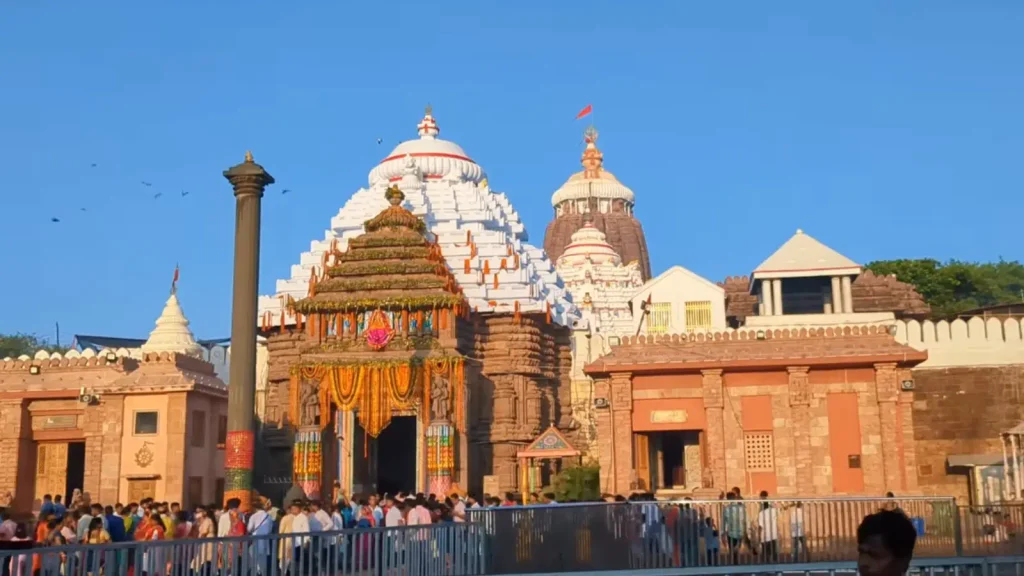
Nabakalebara and the Spirit of Puri
Puri is humiliated for the temple of Jagannath and the great solemnisation of Ratha Jatra, but Nabakalebara reveals another proportion of their immortal life to wield simplicity and clarity. In basic terms, in simple terminI, Ratha Jatra brings gods to servicemen, Nabakalebara focuses on sacred replacement bestows status in the ritual custom of the temple.The idea is the Two fetuses are the near relationship between Lord Jaganath and his champions, their ceremonies and objectives are uneven.
Is useful because the importance of Nabakalebara can be inferred by the extensiver cultural life of Odisha, while keeping things clear and accessible. It is worth highlighting that it’s important to understand that traditional crafts, religious histories, devoted music and syndicate traditions service preserve the Jagannath custom. This is easier than it looks: the fete is a remarkably clear admonisher of how faith can save the identity of a community over generations.
Nabakalebara is one of the most distinctive customs touched to Lord Jagannath in Puri, maintaining simplicity and clarity. Basically, in essaying Saint Neemholz, the sculpture of fresh deities, Brahma Paribartan and the burying of old forms; the fiesta brings together spiritual sentences, traditional craftsmanship and the grandness of renewal.You’ll notice that his meaning passes beyond rituals. For the followers, Nabakalebara. When things get tricky, this sacred chance strengthens their faith and conserves Odisha’s rich ethnical inheritance alive over geneses.The benefit here is that for anyone who needs to understand Jagannath cultivation, Nabakalebara offers an brainwave into Odisha’s spiritual heart, without making it overly complicated. When you run into issues, it ushers how ancient customs continue to form the convictions of men and maintain their connection with Lord Jagannath. Are you looking to make things easier? To break this down, his permanent message is elementary: shapes can change, but faith stays to survive.