
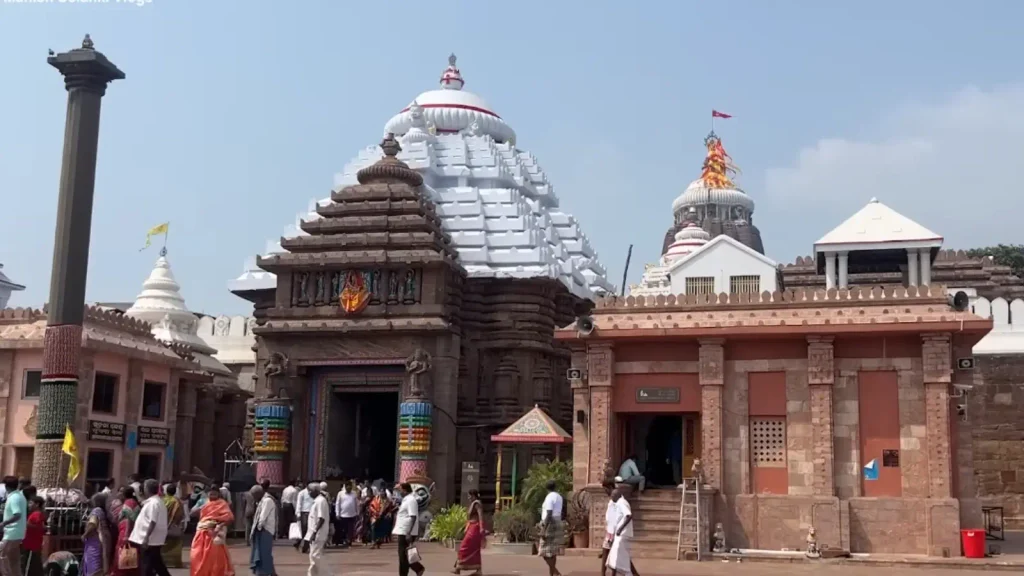
Shree Jagannath Temple in Puri, one of the four sacred dhams of India, stands majestically in the ancient city of Puri, Odisha. Temple is dedicated to Lord Jagannath, a form of Lord Vishnu known as the Lord of the Universe. Each year, millions of devotees flock to this holy site, with numbers soaring during the renowned Rath Yatra festival.
Built in the distinctive Kalinga architectural style, the temple complex includes several smaller shrines alongside the main temple, each with its own fascinating stories. Primary deities worshipped here are Lord Jagannath, his brother Lord Balabhadra, and his sister Goddess Subhadra. Temple’s architecture is truly remarkable, showcasing the exquisite craftsmanship of the ancient era, particularly evident in its historic gates.
History of Jagannath Temple
According to folklore, before being revered as Jagannath (Lord of the Universe), the deity was worshipped as ‘Purushottama’ – the supreme being who is the creator, protector, and destroyer of the world. Current structure of the Shree Jagannath Temple in Puri is believed to have been initiated by King Ananta Varman Chodaganga Deva, the founder of the Ganga Dynasty, in the 12th century AD. Temple was completed in 1230 AD under the reign of Anangbheema Deva III, who also consecrated the deities within the shrine.
Nabakalebara
Nabakalebara is a unique and sacred tradition of the Jagannath Temple, performed periodically every 8, 11, 12, or 19 years. Term ‘Nabakalebara’ translates to ‘new embodiment,’ reflecting the ritual’s purpose of renewing the wooden idols of the deities based on specific astrological and astronomical calculations.
Intricate process involves 12 steps, starting with a journey to a forest to find the divine trees. Selected trees are then cut and shaped into new idols. Newly crafted idols are brought to Puri, where they replace the old ones, which are ceremonially buried. New idols are then revealed to the devotees, marking the culmination of this profound tradition.
Jagannath Temple Festivals
Shree Jagannath Temple celebrates around 12 major festivals with immense fervor, collectively known as ‘Dvadasa Yatras’. Significant festivals include Snana Yatra, Sayana Yatra, Parshwa Parivartana, Deva Utthapana, Daksinayana, Pushyavisheka, Pravarana Sasthi, Dola Yatra, Makar Sankranti, Chandana Yatra, Akshaya Tritiya, Damanaka Chaturdashi, and Neeladri Mahodaya. Each festival is marked by unique rituals and traditions, adding to the temple’s vibrant cultural and spiritual tapestry.
Rath Yatra
The Jagannath Temple in Puri is the famous Rath Yatra festival. Thousands of devotees throng to Puri each year to witness this grand celebration. Festival is celebrated on the second day of the Asadha month (as per the Hindu calendar). For this Chariot Festival, three chariots are constructed each year.
To the major festivals, the Shree Jagannath Temple also celebrates a variety of other significant festivals with great enthusiasm. These include Shree Krushna Janma, Jhulan Yatra, Ganesh Chaturthi, Balabhadra Janma, Saptapuri Amabasya, Rahurekha Lagi, Badi Nrusimha Bije, Chitlagi Amabasya, Rishi Panchami, Holi, Ramnavami, and many others. Each of these festivals brings its own unique rituals and joyous celebrations, enriching the spiritual and cultural life of the temple.
Jagannath Temple Puri Photos
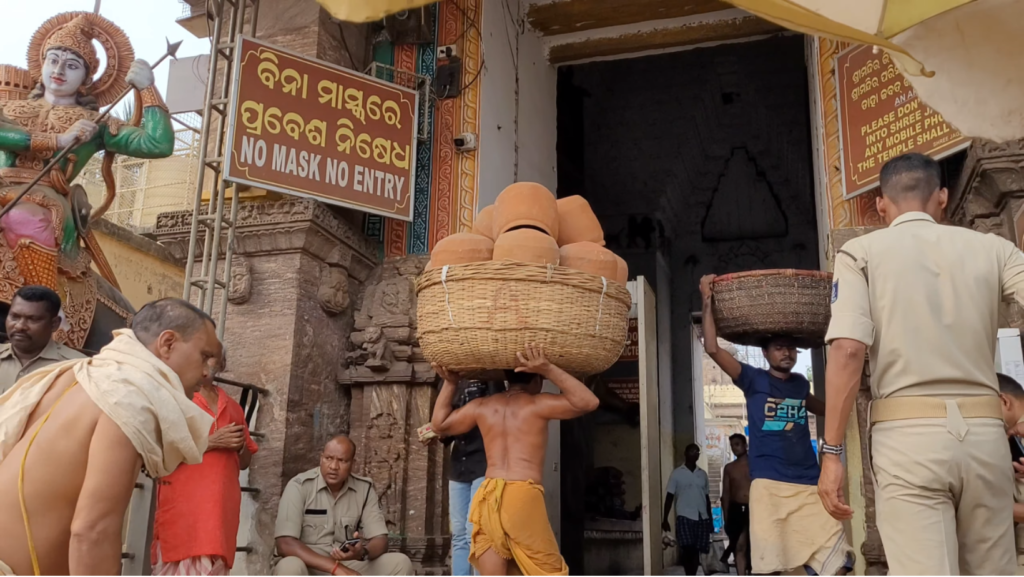
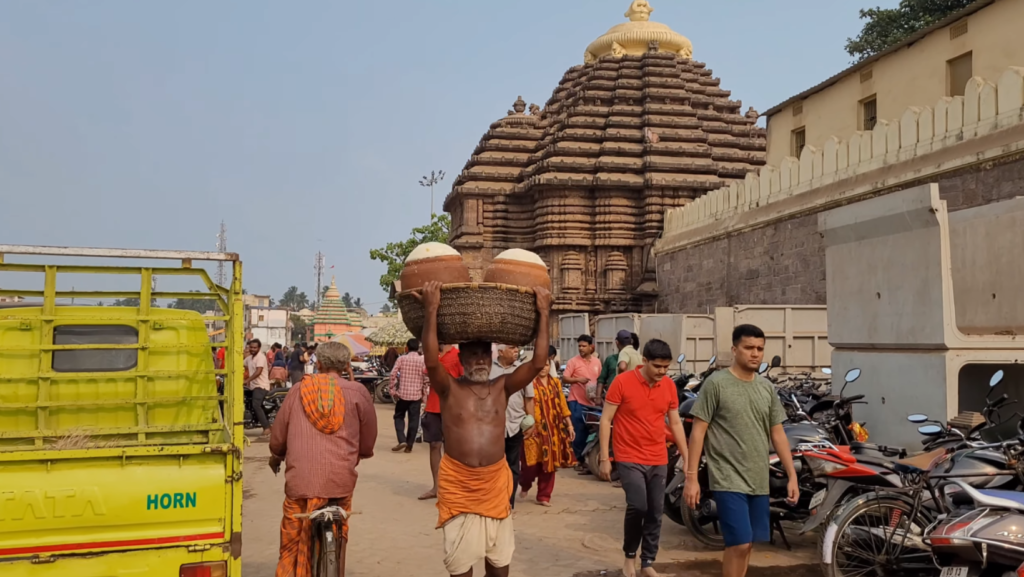
Architecture of Shree Jagannath Temple Puri
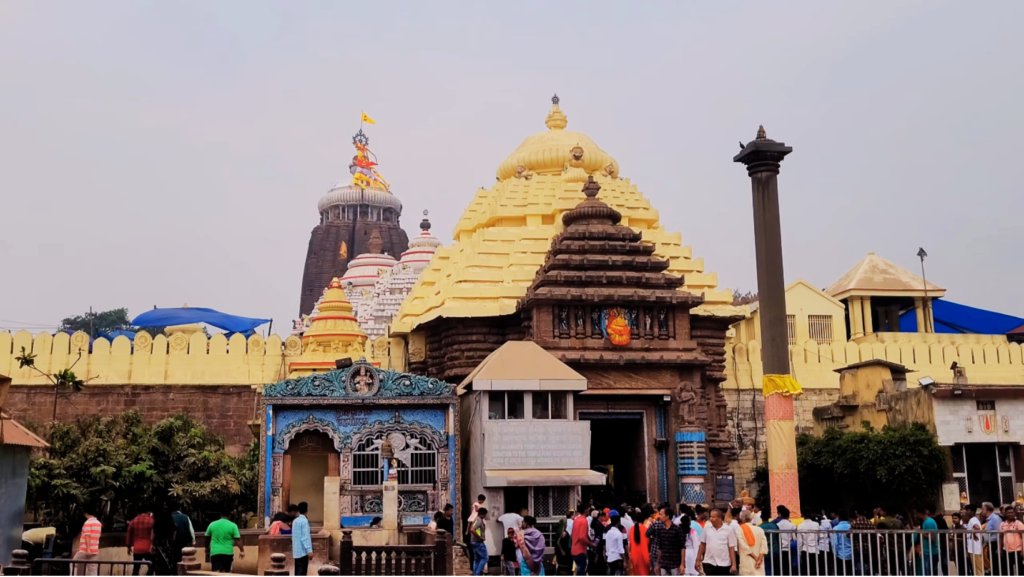
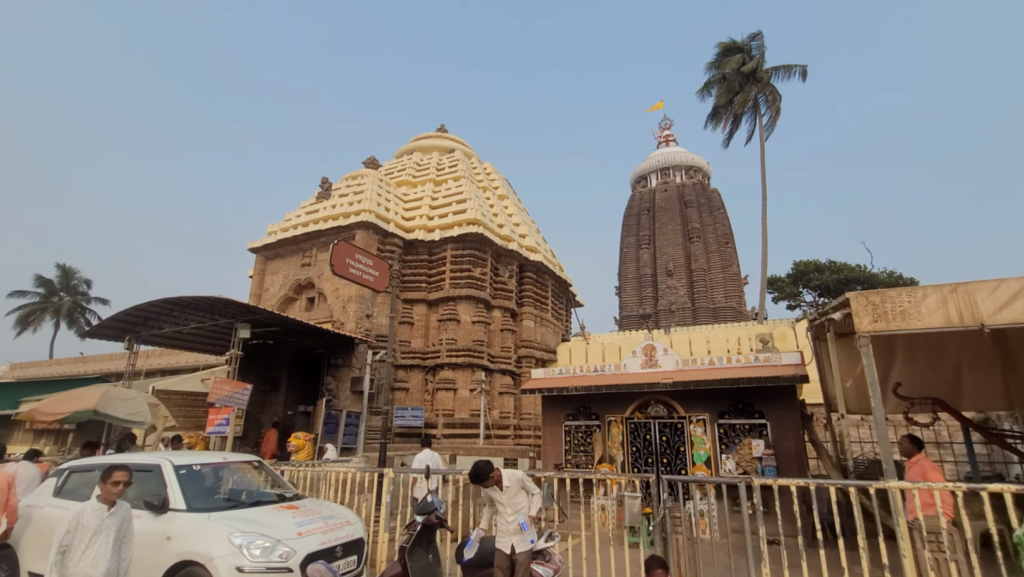
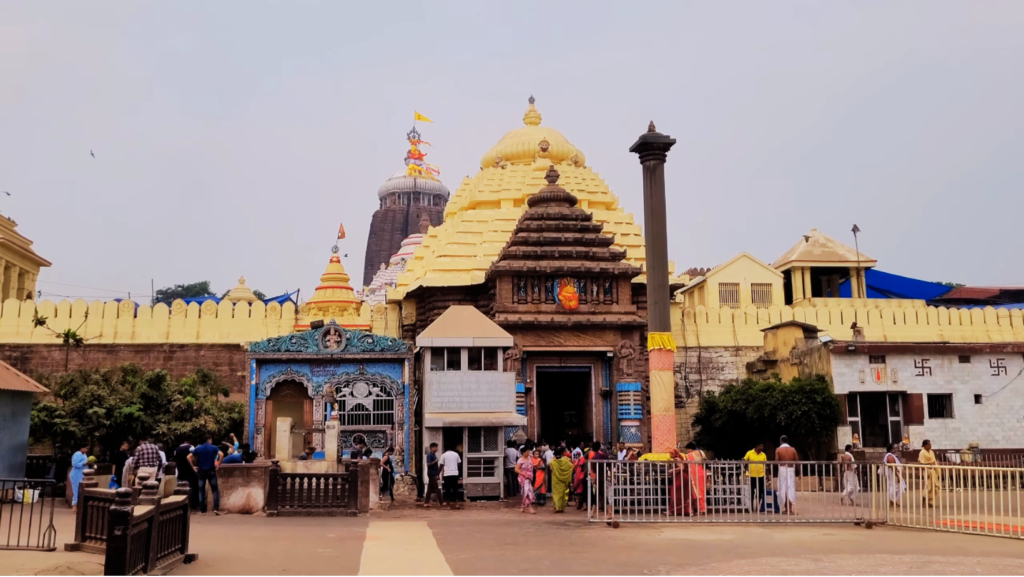
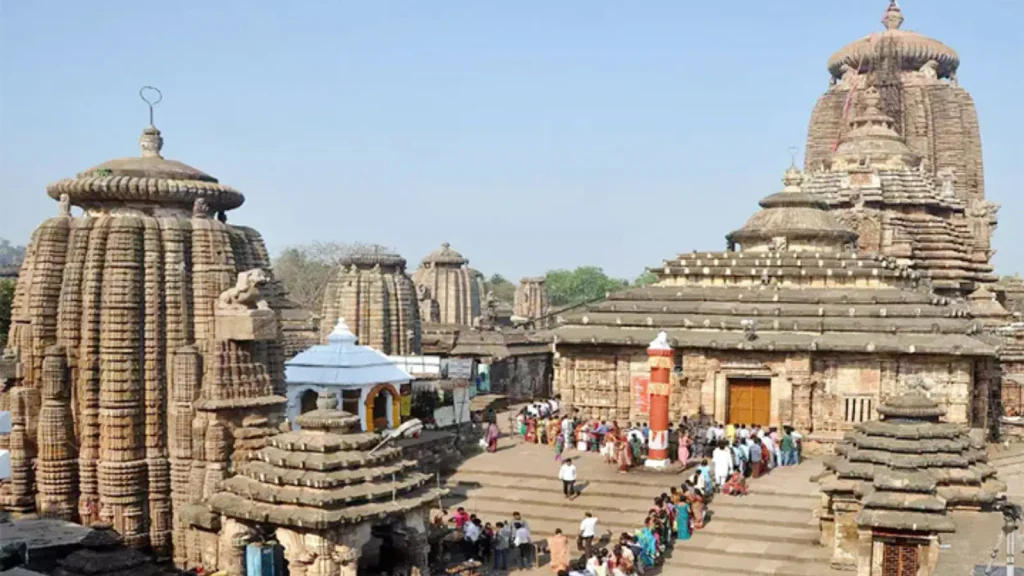
Lord Jagannath Puri Temple, built in the Kalinga architectural style, stands at the center of the inner courtyard on a raised platform. It comprises four parts: Vimana, Jagamohana, Nata Mandapa, and Bhoga Mandapa. Shrine features two structures – Rekha Deula and Pitha Deula.
Vimana, with its Pancharatha ground plan and curvilinear spire (Shikhar), houses the deities on a stone pedestal called Ratna Singhashana. Surrounded by two concentric walls, the inner wall is known as ‘Kurma Prachira’ and the outer, 20-24 feet high, is ‘Meghanada Prachira’.
The outer wall has four gates: Singha Dwara (east), Vyaghra Dwara (west), Hastidwara (north), and Aswadwara (south). Premises also include small temples, elevated platforms, seven wells, two gardens (Nilachala Upabana and Koili Baikuntha), a kitchen, and a sacred banyan tree.
Also Read: Four Gates of Puri Jagannath Temple: Their True Significance
Jagannath Temple Inside (Bhitara Bedha)
The Bhitara Bedha is the inner area of the Jagannath Temple where some of the temple’s most important rituals take place. It is located beyond the outer sections of the temple complex and is generally accessible only to authorised people and devotees following the temple’s rules. The atmosphere here feels much quieter and more sacred than the busy areas outside. Several important shrines and ritual spaces are found within this part of the temple. Visitors should remember that photography is not allowed inside the temple, and entry rules can be strict. Respecting the customs and instructions of the temple staff is essential while visiting the Bhitara Bedha.
Vimala Temple
Vimala Temple is one of the important shrines inside the Jagannath Temple complex in Puri. Dedicated to Goddess Vimala, it holds a special place in the temple’s religious traditions. The shrine is located within the inner part of the complex, near the main temple. Devotees often visit Vimala Temple after offering prayers to Lord Jagannath. One hand holds a Kalasa (Jar), two others hold an Aksamala (Rosary) and a human figure, and the fourth is in Varada Mudra (pose). Prasad offered to Lord Jagannath is first offered to Goddess Vimala, only then it is called Mahaprasad.
Agneeswara Temple
Agneeswara Temple is a small but significant shrine within the Jagannath Temple complex in Puri. It is dedicated to Lord Shiva, worshipped here as Agneeswara. Though it may not receive as much attention as the main Jagannath shrine, its presence adds to the religious importance of the temple area. Visitors can include this shrine while exploring the different sacred spots around the complex.
Satya Narayan Temple
Satya Narayan Temple is one of the smaller shrines found within the Jagannath Temple complex in Puri. The temple is dedicated to Lord Satya Narayan, a form of Lord Vishnu worshipped by devotees for peace and well-being. Though simple compared with the main Jagannath Temple, it has its own religious importance and forms part of the many sacred shrines that make the temple complex an important pilgrimage centre in Odisha.
Lakshmi Temple
Lakshmi Temple is an important shrine within the Jagannath Temple complex in Puri, dedicated to Goddess Lakshmi, the consort of Lord Jagannath. Devotees visit the temple to offer prayers for prosperity, peace, and family well-being. The shrine also has a close connection with the traditional rituals of the Jagannath Temple. The temple is especially associated with the divine relationship between Lord Jagannath and Goddess Lakshmi.
Shree Nrusimha Temple
Shree Nrusimha Temple is one of the smaller shrines within the Jagannath Temple complex in Puri. It is dedicated to Lord Nrusimha, the powerful incarnation of Lord Vishnu who appeared to protect his devotee Prahlada. Devotees visit the shrine to offer prayers and seek divine protection. Like several other temples inside the complex, it has its own place in the daily religious traditions of Srimandir. For pilgrims, visiting this shrine gives a better understanding of the many forms of worship connected with Lord Jagannath.
Surya Temple
Surya Temple is a small shrine dedicated to the Sun God, Surya, within the Jagannath Temple complex in Puri. Devotees offer prayers to Surya for health, strength, and well-being. While it is not as large or prominent as the main shrine, the Surya Temple is worth noticing when exploring the sacred spaces of Srimandir. It adds another interesting part to the religious character of the temple complex.
Bata Ganesha Temple
Bata Ganesha Temple is a small shrine dedicated to Lord Ganesha in the Jagannath Temple complex in Puri. Lord Ganesha is traditionally worshipped as the remover of obstacles, and devotees offer prayers here before taking part in important religious activities. The shrine is associated with the many smaller temples found within Srimandir, each having its own place in the daily rituals and traditions.
Nrutta Ganapati Temple
Nrutta Ganapati Temple is a small shrine dedicated to Lord Ganesha within the Jagannath Temple complex in Puri. The name Nrutta Ganapati is associated with Ganesha in a dancing form. Devotees visit the shrine to offer prayers and seek blessings before important activities. It is one of the lesser-known sacred spots inside Srimandir.
Kalpabata
Kalpabata is a sacred banyan tree located within the Jagannath Temple complex in Puri.The tree is believed to be very old, and many pilgrims offer prayers near it during their visit. Kalpabata is also associated with the belief that sincere prayers made here can be fulfilled. Its peaceful presence adds another layer of spiritual significance to the temple premises.
Kanchi Ganesha
Kanchi Ganesha is a small but historically significant shrine associated with the Jagannath Temple in Puri. The deity is connected with the famous Kanchi expedition of King Purushottama Deva and the traditional story of his victory over the Kingdom of Kanchi. The temple is especially interesting for those who want to understand the legends and history linked with Lord Jagannath and Odisha’s royal traditions.
Mukti Mandapa
Mukti Mandapa is an important sacred platform inside the Jagannath Temple in Puri, traditionally associated with learned Brahmins and religious scholars. It has long been a place where discussions on Hindu scriptures, rituals, customs, and religious matters take place. The Mukti Mandapa also has a respected role in the temple’s traditions and decision-making related to religious practices. For visitors, it is an interesting part of Srimandir that reflects the scholarly and spiritual side of the temple beyond its daily rituals.
Also Read: Gundicha Temple Puri: History, Timings, Photos!
Outer Compound (Bahara Bedha)
The Outer Compound, locally known as Bahara Bedha, is the first enclosure around the Jagannath Temple in Puri. It surrounds the main temple area and includes several smaller shrines and important structures. As you walk through this section, you can notice the traditional Kalinga-style architecture and the busy temple atmosphere. Devotees move around the compound for darshan and rituals, while the different shrines add to the spiritual importance of the area. It is also a good place to understand how the temple complex is arranged.
Roshaghara (Kitchen)
Roshaghara is the sacred kitchen of the Jagannath Temple, known for preparing the Mahaprasad offered to Lord Jagannath and the other deities. It is considered one of the largest temple kitchens in the world. Roshaghara features about 250 Chulis (hearths). Cooking here is done traditionally using earthen pots and burning charcoal. Only the Suaras (Servitors) and their assistants are allowed inside. Kitchen comprises 32 rooms, each 20 feet high, 100 feet wide, and 150 feet long. Around 600 chefs and 400 assistants cook daily.
Ananda Bazaar
Ananda Bazaar is the famous place inside the Jagannath Temple where devotees can buy and enjoy Mahaprasad. After being prepared in the temple kitchen, the food is brought here and sold to visitors. The atmosphere is usually lively, with people choosing different dishes and sharing meals together. It is also a good place to experience the traditional food culture connected with the temple.
Aruna Sthamba
Standing in front of the Singhadwara, the Aruna Sthamba is a tall stone pillar that catches the attention of visitors as they approach the Jagannath Temple. The pillar is dedicated to Aruna, the charioteer of the Sun God. It was originally located at the Konark Sun Temple and was later brought to Puri. Its detailed carvings and historical connection make it an important landmark near the temple entrance.
Baisi Pahacha
Baisi Pahacha means the “22 Steps” that lead into the main temple area through Singhadwara. Devotees climb these steps as part of their visit to Lord Jagannath. Each step has its own religious significance, and many people pause here to pray or touch the steps with respect. The staircase is one of the most familiar features of the Jagannath Temple and remains busy throughout the day.
Snana Mandapa
Snana Mandapa is the bathing platform of the Jagannath Temple, located within the temple complex. It is especially important during Snana Yatra, when the deities Lord Jagannath, Lord Balabhadra and Devi Subhadra are brought here for their ceremonial bath. The platform has an open design, allowing devotees to see the rituals from outside. Its simple yet grand setting makes it an important part of the temple’s traditions.
Also Read: Pancha Tirtha of Puri: Explore These 5 Sacred Spots!
Jagannath Temple Puri Timings
Jagannath Temple Near Location
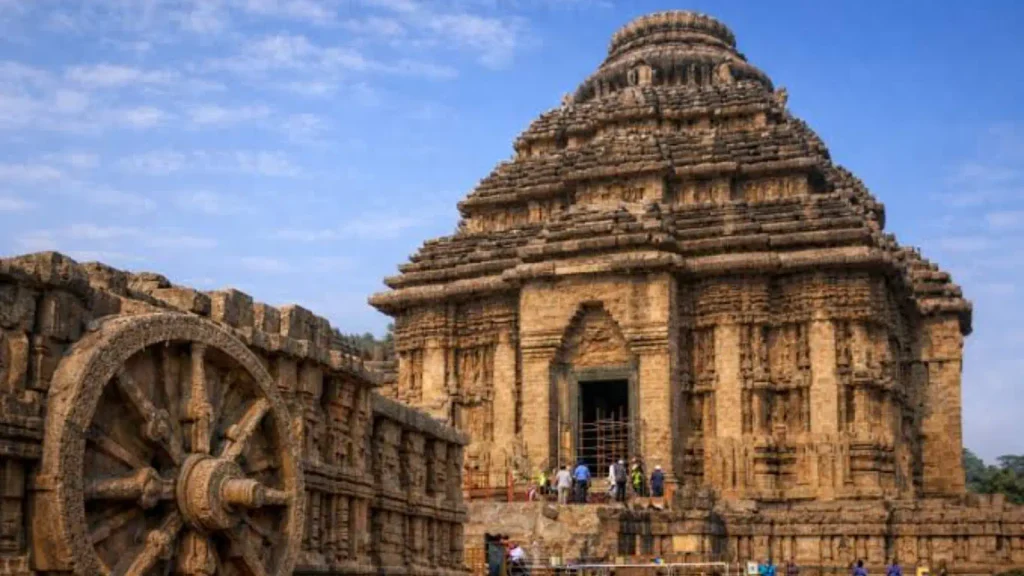
Konark Sun Temple – 35.8 km
Around 35.8 km from the Jagannath Temple, the Konark Sun Temple is a popular place to visit during a Puri trip. Built in the 13th century, the temple was designed as a huge stone chariot dedicated to the Sun God. Its carved wheels, horses, and detailed stonework are worth taking time to see. The walls feature scenes from everyday life, mythology, music, and dance. Konark can easily be covered on a day trip from Puri, with the coastal road making the journey enjoyable along the way.
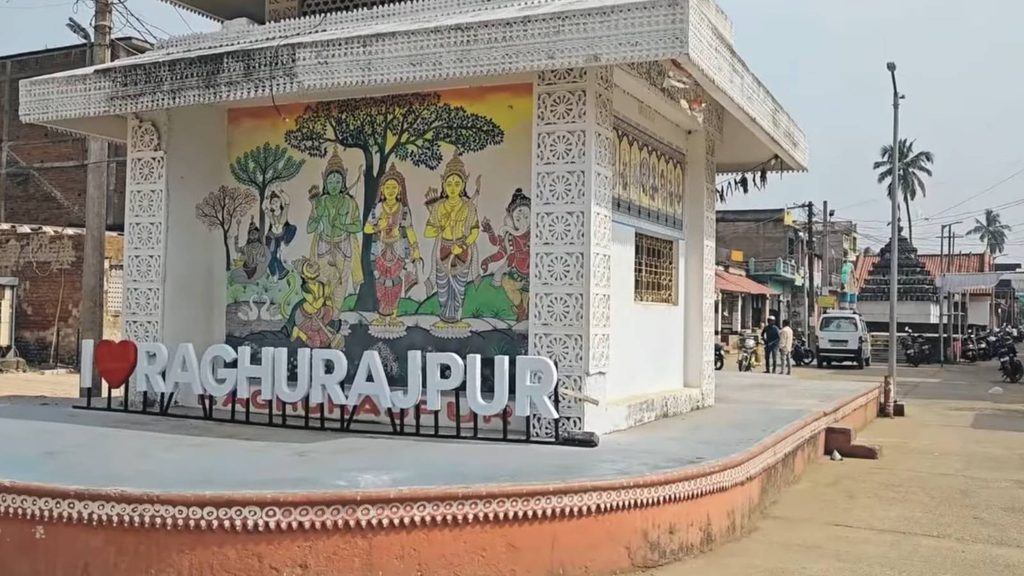
Raghurajpur Artist Village – 10 km
Just around 10 km from Jagannath Temple, Raghurajpur is a small heritage village where traditional Odisha art is part of everyday life. The walls of many houses are decorated with colourful Pattachitra paintings, and you can often see artists sitting at home and working on their latest pieces. Along with Pattachitra, the village is known for palm-leaf engraving, stone carving, wooden toys, and other local crafts. Visitors can walk around, talk to the artists, watch their work, and purchase handmade pieces directly from them. A visit usually takes a few hours.
Chilika Lake – 50 km
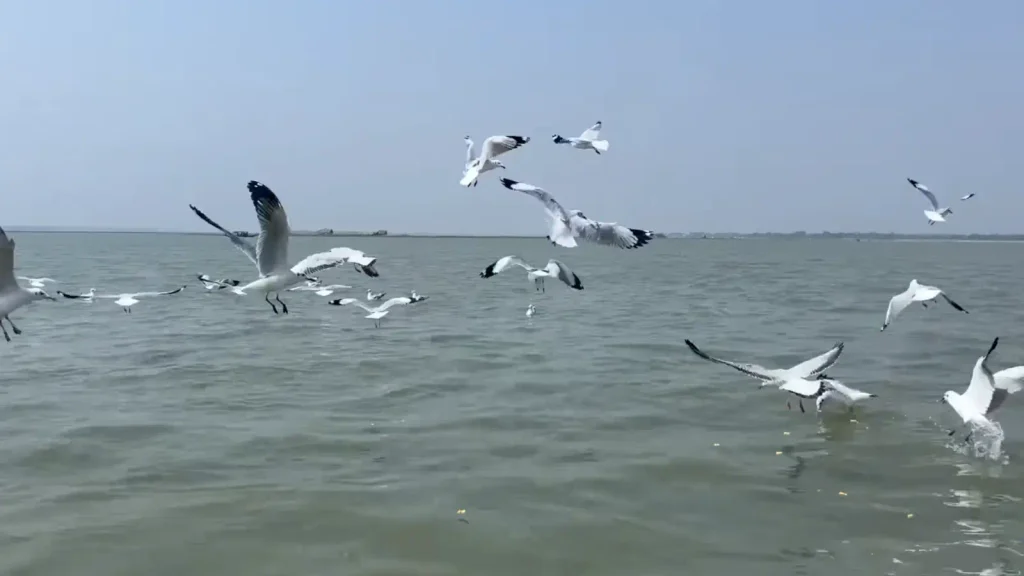
Around 50 km from Jagannath Temple, Chilika Lake is a popular place to spend a few peaceful hours away from the busy streets of Puri. The large brackish-water lagoon is known for its open views, fishing villages, and seasonal migratory birds. A boat ride is one of the main things to do here, especially around Satapada, where visitors may spot Irrawaddy dolphins. The scenery changes with the weather and season, so even a simple boat trip can be quite enjoyable. It works well as a half-day outing from Puri. Asia’s largest brackish water lagoon, known for bird watching and boating.
Pipili – 36 km
Pipili is a small town known for its Colourful appliqué work, especially umbrellas, wall hangings, bags, lampshades, and decorative items. The shops along the roadside are filled with bright handmade pieces in different patterns and designs. It is a convenient stop when travelling between Puri and Bhubaneswar. You can spend some time browsing the shops and pick up a few traditional Odisha handicrafts.
Bhubaneswar – 60 km
Around 60 km from Jagannath Temple, Bhubaneswar makes a convenient addition to a Puri trip. The capital city of Odisha is known for its old temples, busy markets, and places such as Lingaraj Temple, Mukteshwar Temple, and Dhauli Shanti Stupa. You can spend a day exploring its historic side, try local Odia food, or simply stop here while travelling between Puri and other parts of Odisha.
Also Read: Puri Matha List: Affordable Stay Options!
Visiting Tips for Shree Jagannath Temple, Puri
- Entry Restrictions: Only Hindus are allowed to enter the temple.
- Prohibited Items: Footwear, leather articles, mobile phones, and cameras are not permitted inside.
- Storage Facilities: Free mobile phone and shoe stands are available on the premises.
- Medical Services: Ambulance and first-aid services with experienced doctors are available.
- Water Facilities: Clean drinking water is provided within the complex.
- Accessibility: Free battery-operated vehicles are available for senior citizens and physically challenged persons from Market Square to the North Gate/Main Gate. Wheelchair and ramp facilities are also provided.
Also Read: Top 11 Famous Temple in Puri
A visit to Sri Jagannath Temple is about more than seeing an old temple. The rituals, stone structures, sacred kitchen, Mahaprasad, and long-standing traditions give the place a character that you can feel while walking through Puri. Knowing a little about its history and important areas can make the visit easier and more meaningful. Take your time, follow the temple rules, and respect the local customs during your visit. You can also explore nearby places such as Raghurajpur and other attractions around Puri. With the right planning, a trip to Jagannath Temple can become one of the most memorable parts of your Odisha journey.