
Jagannath Temple in Puri, the four gates are easy to notice, but their meaning becomes clearer when you know the traditions connected with them. Each gate has a different name and is associated with an animal symbol—lion, horse, tiger and elephant. Together, they mark the four sides of the temple and form an important part of the temple’s traditional identity.
For visitors, the Four Gates of Puri Jagannath Temple are also a reminder that the temple is not simply a monument to look at from outside. The names, guardian figures, smaller shrines and rituals connected with the gates have developed over generations as part of Puri’s living religious tradition.
- Simha Dwara – Lion Gate: strength, courage and protection
- Aswa Dwara – Horse Gate: energy, movement and vitality
- Vyaghra Dwara – Tiger Gate: power, strength and protection
- Hasti Dwara – Elephant Gate: stability, wisdom and prosperity
Eastern Gate/Lion’s Gate/Simha Dwara
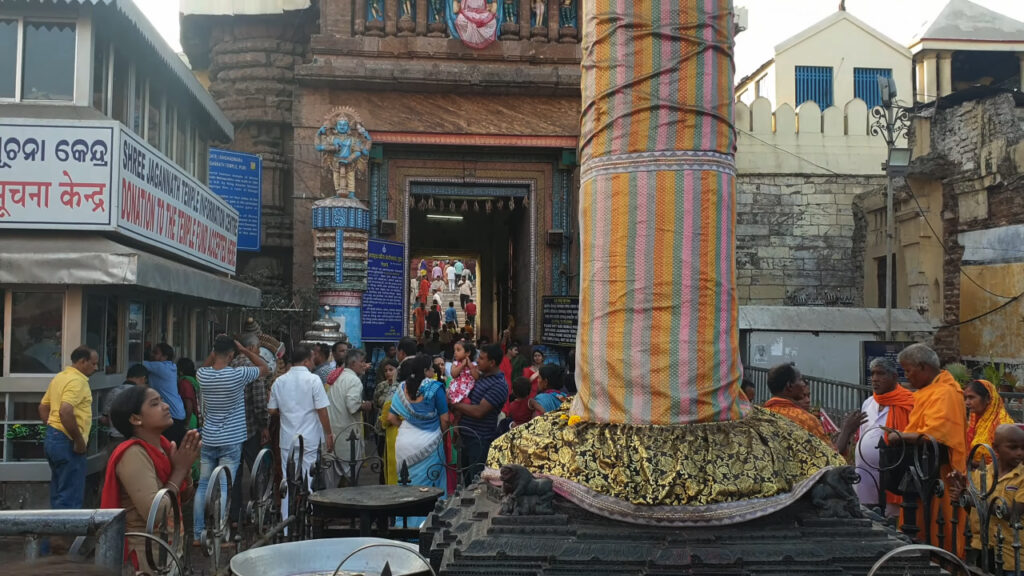
The Simha Dwara, or Lion Gate, is on the eastern side of the Jagannath Temple and is traditionally regarded as the principal entrance. This is the gate most devotees associate with entering the temple complex. Two large stone lions stand at the entrance, giving the gateway its familiar name and distinctive appearance.
Lion is traditionally associated with strength, courage and protection. For someone visiting Puri for the first time, the Simha Dwara is also where the scale of the temple’s religious importance becomes very apparent. The area around the gate can be busy, particularly during important festivals and periods when large numbers of devotees visit Puri.
Several traditionally associated shrines and deities are found around this side, including Kasi Viswanath, Goudia Nrusimha and Bhagya Hanuman. These smaller sacred spaces are easy to overlook when the main temple attracts most of the attention, but they are part of the wider religious landscape around the gateway.
Southern Gate/Horse Gate/Aswa Dwara
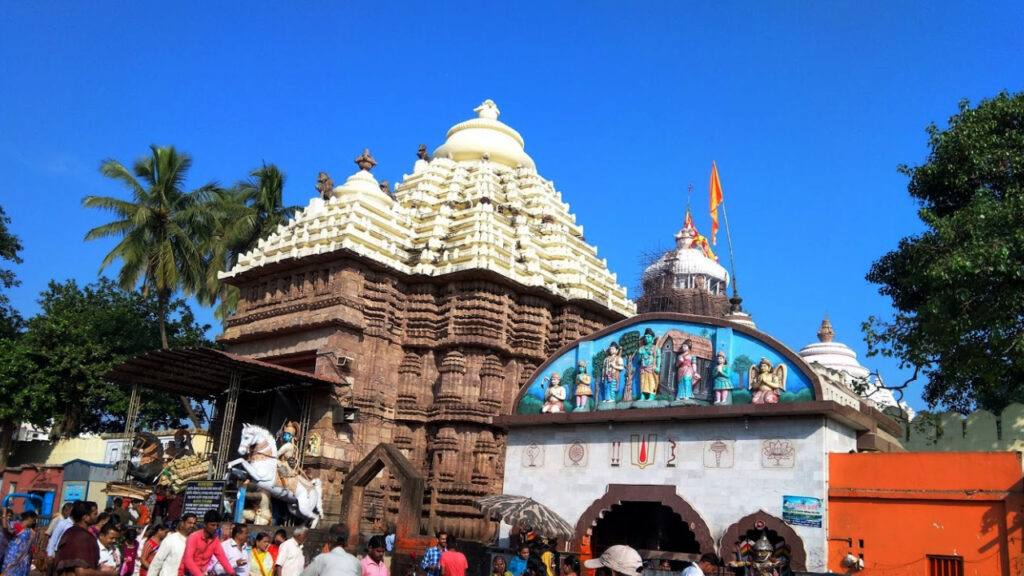
On the southern side of the temple is the Aswa Dwara, commonly known as the Horse Gate. The horse is traditionally associated with movement, energy and strength, giving this entrance a different symbolic character from the Lion Gate.
Southern entrance is generally less familiar to first-time visitors because most people naturally focus on Simha Dwara. But when you look at the temple from different sides, the four gateways help you understand how the temple complex is organised and how deeply symbolism is woven into its traditional design. Shrines and deities associated with this side include Lokanath, Isanesvara, Parsunath, Dhabalesvara, Laxmi-Nrusimha and Tapasvi Hanumaan.
Horse also has a strong place in Hindu religious imagery, particularly in stories and traditions involving divine chariots and movement. That makes the symbolism of Aswa Dwara fitting for a gateway associated with energy and forward movement. For visitors interested in the details of Puri’s temple traditions, this is one of the gates worth learning about rather than simply passing by. The four entrances are not identical, and each has its own traditional identity.
Western Gate/Tiger Gate/Vyaghra Dwara
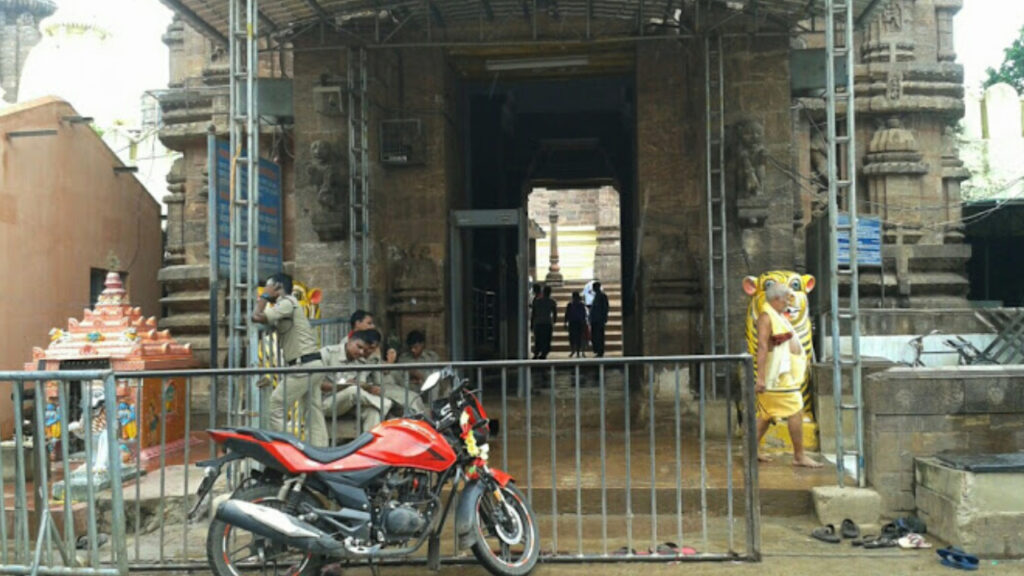
Western entrance is known as Vyaghra Dwara, or the Tiger Gate. Its animal symbol is the tiger, traditionally connected with power, strength and a protective presence.Western side is associated with Ramesvara, Nisa Nrusimha and Birabikram Hanumaan. As with the other gateways, these associated shrines form part of the religious setting around the temple and reflect the many layers of worship found in Puri.
The tiger symbolism can be understood in the context of protection and strength. Rather than seeing the four animals simply as architectural motifs, it is useful to understand them as part of a traditional symbolic system associated with the four entrances. Western gate may not receive the same attention from visitors as Simha Dwara, but that does not make it insignificant. For travellers who take time to explore the history and traditional details of Puri, the different gateways provide another way of understanding the temple beyond its famous main entrance.
Northern Gate/Elephant Gate/Hasti Dwara
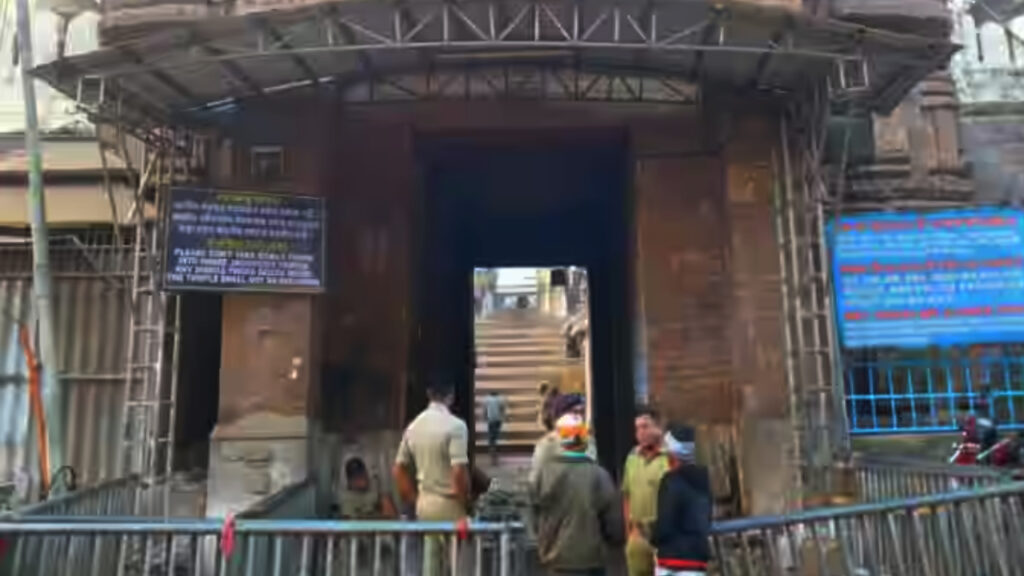
Northern entrance is called Hasti Dwara, or the Elephant Gate. The elephant has long held an important place in Indian religious and cultural traditions and is commonly associated with strength, stability, wisdom and prosperity. The character of this gate is therefore traditionally understood through the qualities represented by the elephant. Its symbolism is different from the courage associated with the lion, the energy of the horse or the power of the tiger.
Elephant Gate is another reminder that the four entrances were given distinct identities rather than being treated simply as four functional doorways. Each side contributes to the larger traditional understanding of the temple. For a visitor standing outside the temple complex, these differences may not be immediately obvious. Learning the names of the four gates before arriving makes the walk around the temple area more meaningful, especially for travellers who have an interest in Odisha’s temple traditions.
Understanding these traditions is part of understanding Puri itself. You may not be able to enter the temple through every side or explore its interiors, but knowing what stands around you can change the way you experience the city. So, when you next find yourself near the Jagannath Temple, take a moment to look beyond the crowds and the familiar photographs. There is a long story in the stone, symbols and shrines around the temple—and that story is still very much a part of Puri today.