
Top Places to Visit Near Puri, Odisha.
Puri is one of the most famous spiritual destinations in eastern India, and several beautiful attractions lie within a short distance of the city. The best places to visit near Puri offer an incredible mix of architectural marvels, wildlife, and cultural heritage. Top destinations include the UNESCO-listed Konark Sun Temple (36 km away), Chilika Lake for dolphin watching (50 km away), and Raghurajpur Artist Village (14 km away).
Would you like a smooth Puri travel experience? Browse MyPuriTour’s Puri packages, 1N / 2D Puri Trip, 2N / 3D Puri Tour, 3N / 4D Puri Package, Best of Puri in 5 days, 7-day Puri Tour.
Best Spots Near Puri
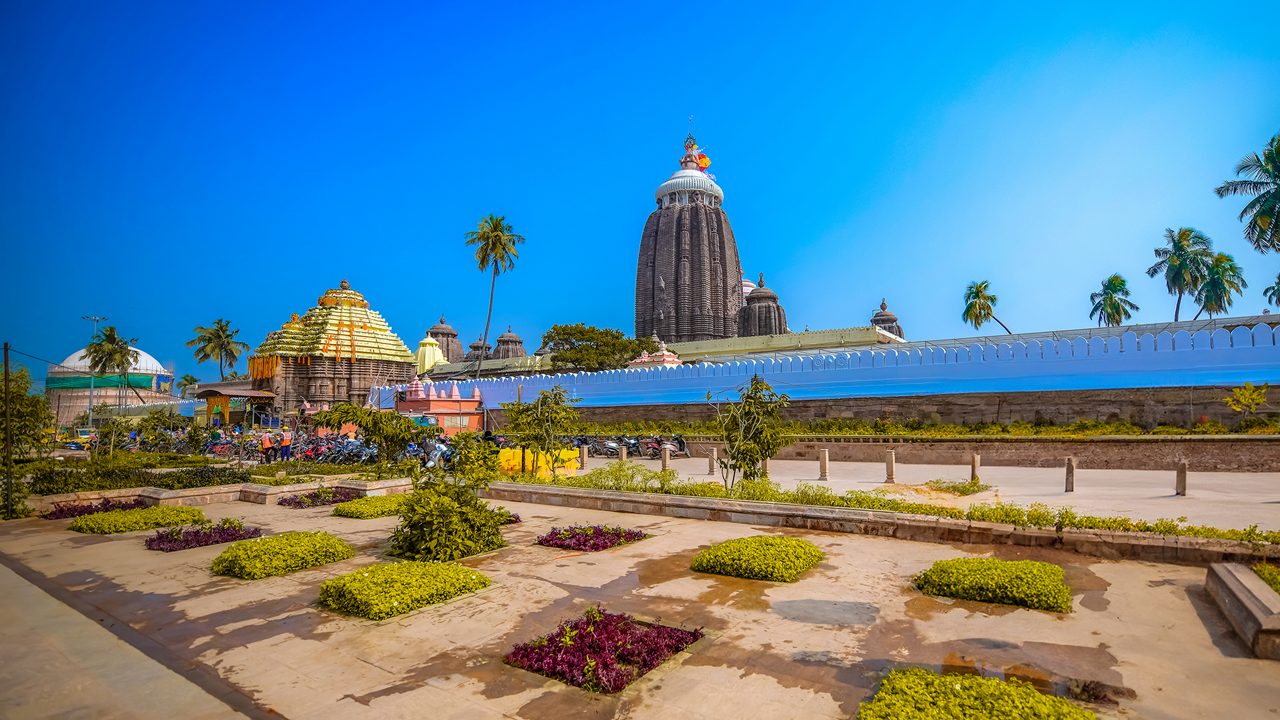
Jagannath Temple
One of the sacred Char Dham pilgrimage sites, this 12th-century temple is dedicated to Lord Jagannath and renowned for its grand Rath Yatra festival. It takes about 1.5 hours to reach via NH316.
Read More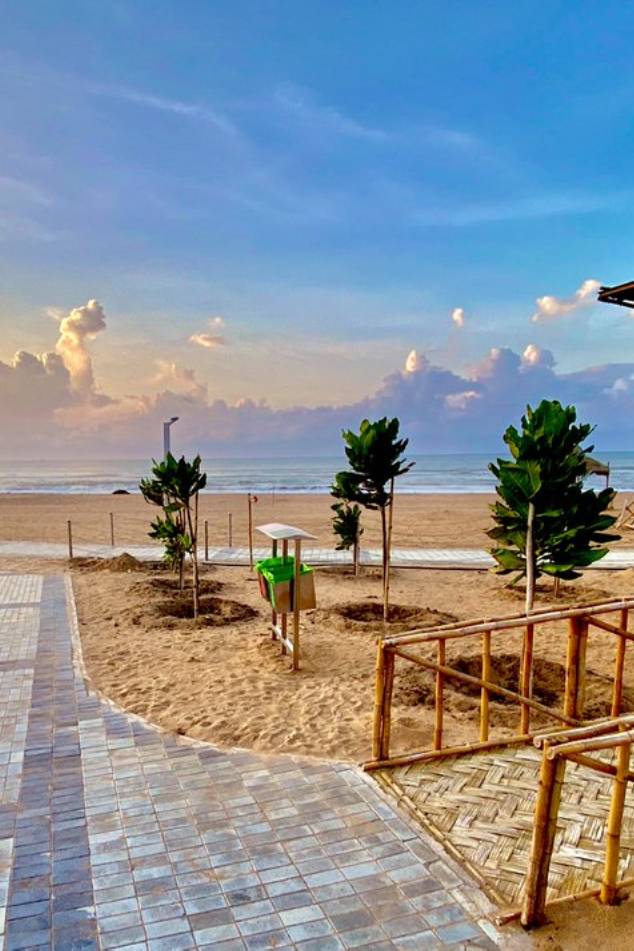
Golden Beach (2–3 km from Puri city center)
A pristine Blue Flag-certified beach known for its golden sands, cleanliness, and serene sunrise views. Popular for relaxing walks, sand art displays, and local street food, it takes about 1.5 hours to reach via NH316.
Read More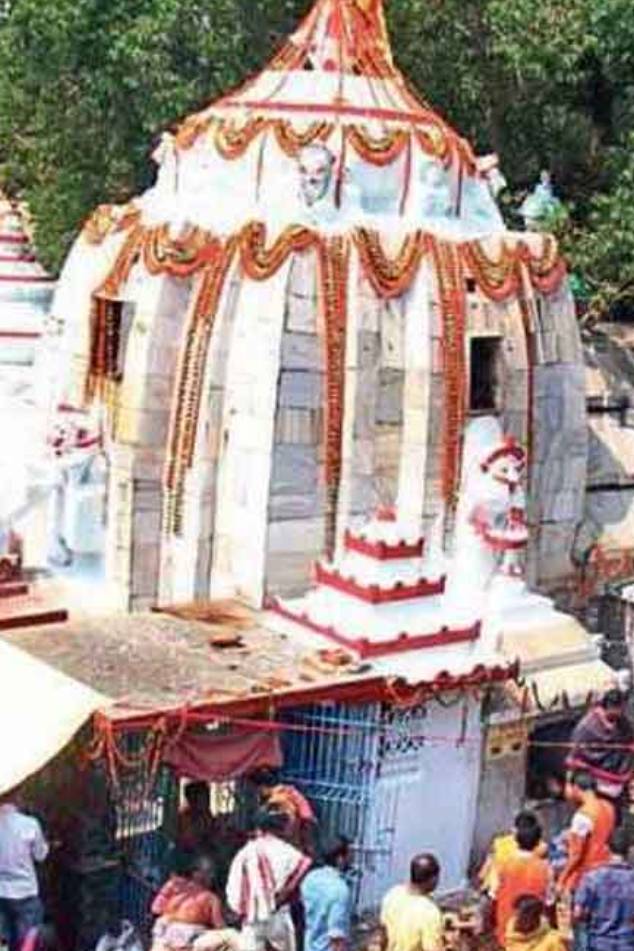
Lokanath Temple (~2–3 km from Puri city center)
A revered 11th-century temple dedicated to Lord Shiva, where the sacred lingam remains submerged in water year-round. It is especially significant during Maha Shivaratri, and can be reached within 10 minutes from central Puri.
Read More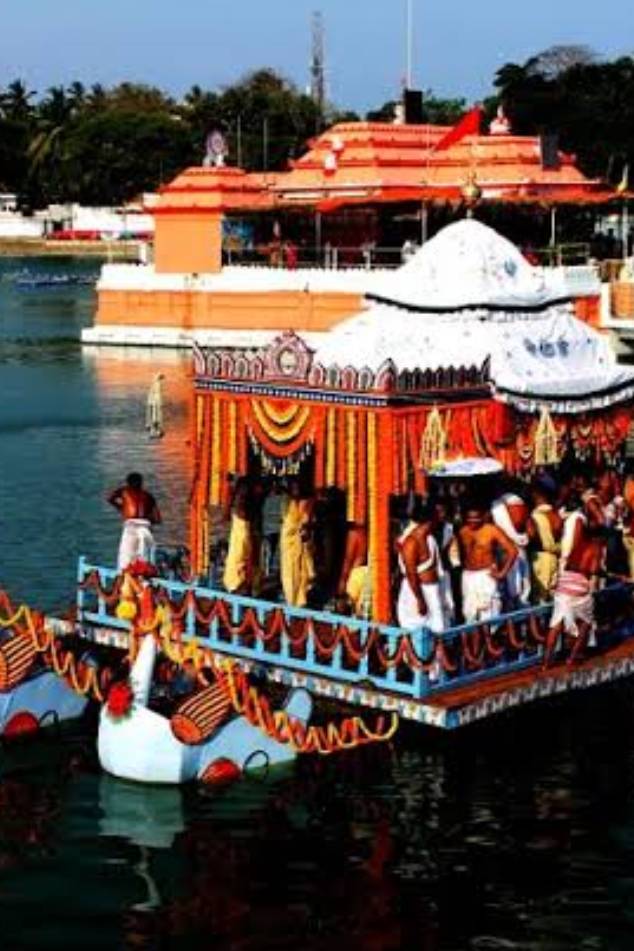
Narendra Tank (~2 km from Jagannath Temple, Puri)
One of the largest sacred tanks in Odisha, this historic water reservoir is famous for hosting the vibrant Chandan Yatra festival with beautifully decorated boats. Located near the heart of Puri, it can be reached within 5–10 minutes from the main temple area.
Read More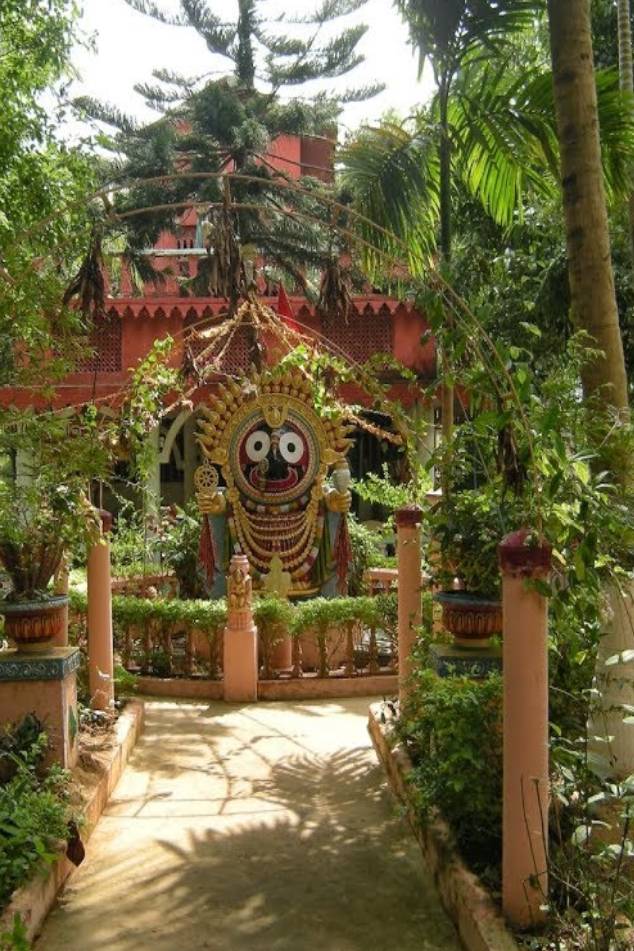
Emar Matha (~500 meters from Jagannath Temple, Puri)
Also known as Mata Matha, this historic monastery dates back several centuries and is associated with the Sri Vaishnava tradition. Located close to the Jagannath Temple, it reflects traditional Odia architecture and can be reached within a short 5-minute walk from the temple area.
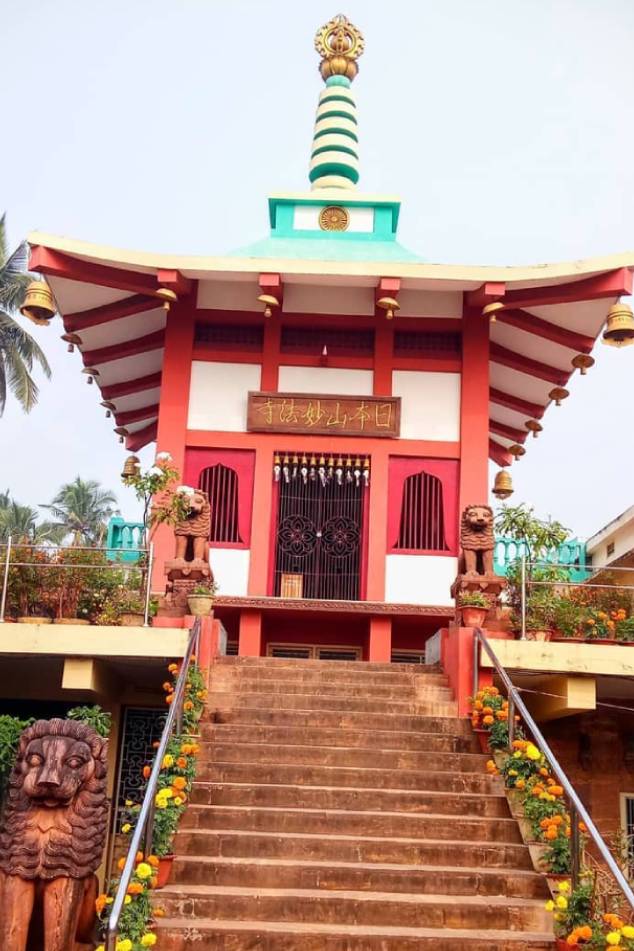
Sudarshan Crafts Museum (~3 km from Jagannath Temple, Puri)
A unique cultural space showcasing traditional Odia craftsmanship, this museum features intricate stone and wood carvings along with live artisan workshops. Founded by renowned sculptor Sudarshan Sahoo, it offers visitors an authentic glimpse into local art and can be reached within 10 minutes from central Puri.
Read More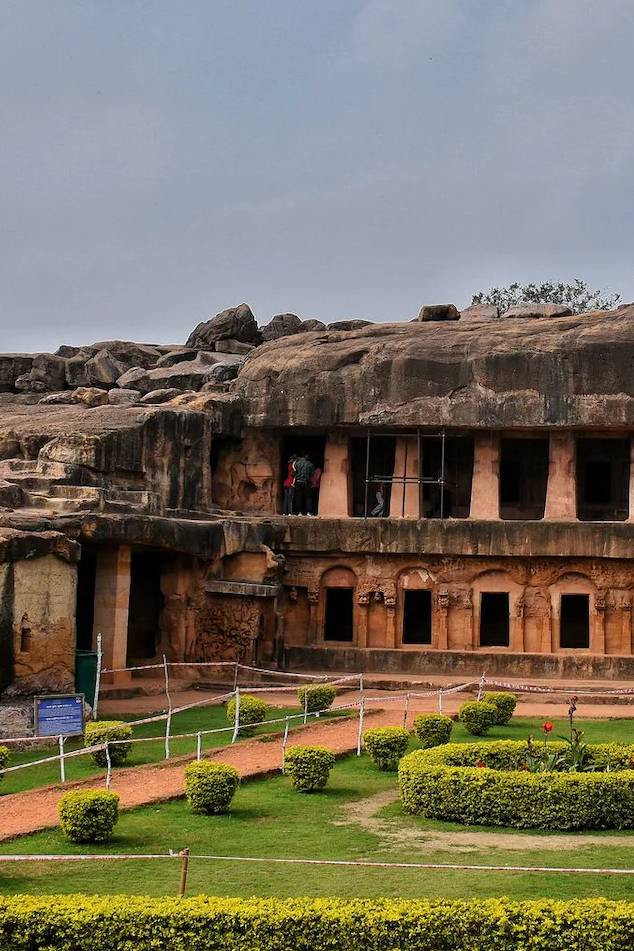
Udaygiri & Khandagiri Caves
The Udaygiri and Khandagiri Caves provide insight into the lives of the Jain monks who lived there centuries ago. They show that even though these monks lived in seclusion, they were still able to create beautiful works of art.
Read More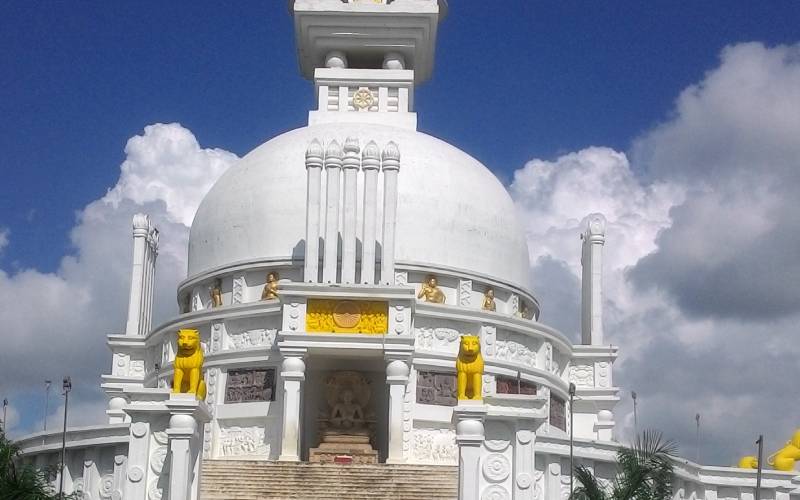
DHAULI
Dhauli is a hill located on the outskirts of Bhubaneswar in the Indian state of Odisha. It is known for its ancient Hindu and Buddhist sculptures and temples. The name Dhauli derives from the Sanskrit word “dvipa”, which means “island”. Dhauli was once the site of a major battle between the Kalinga army and the army of Emperor Ashoka in 261 BCE. The Kalinga army was defeated, and Ashoka renounced war and became a follower of Buddhism.
Read More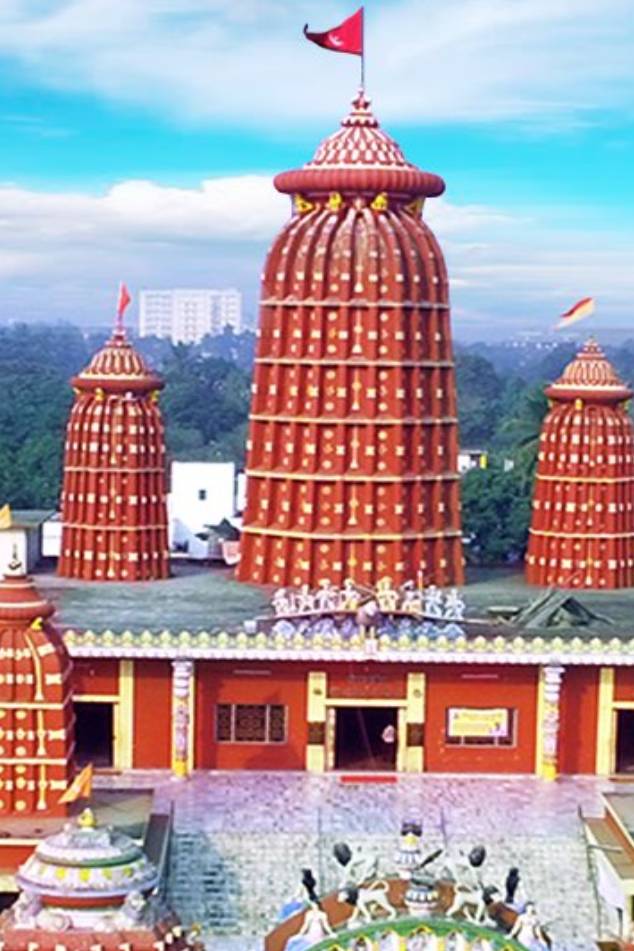
Ram Mandir
Ram MandirRam Mandir is one of the most popular Hindu temples in Bhubaneswar, Odisha. It is located in the old town area and is considered to be one of the finest examples of Kalinga architecture.
Museum Bhubaneswar
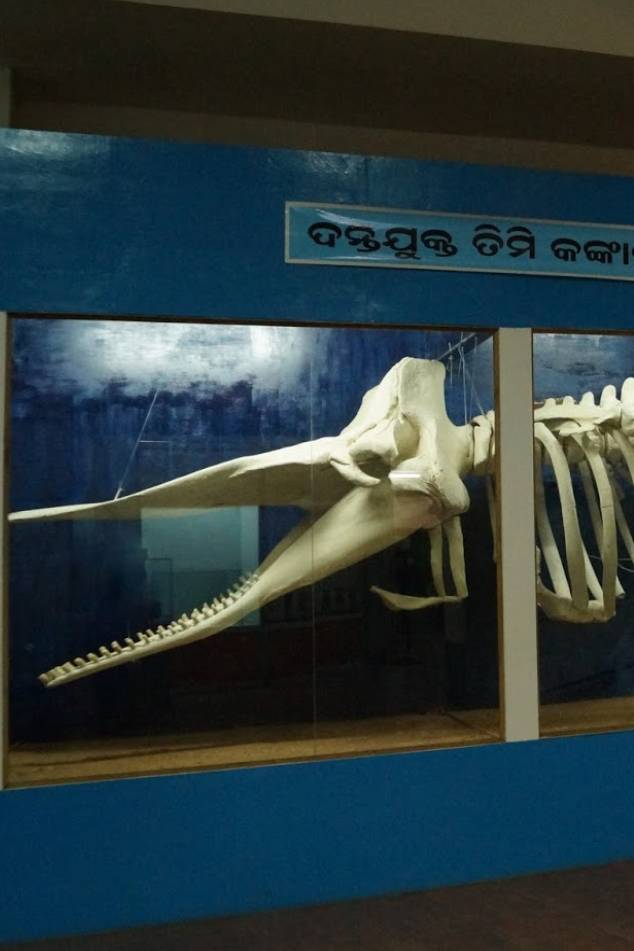
The Museum in Bhubaneswar is one of the most popular tourist attractions in the city. It is located in the heart of the old city, near many other historical sites.
Lingaraj Temple
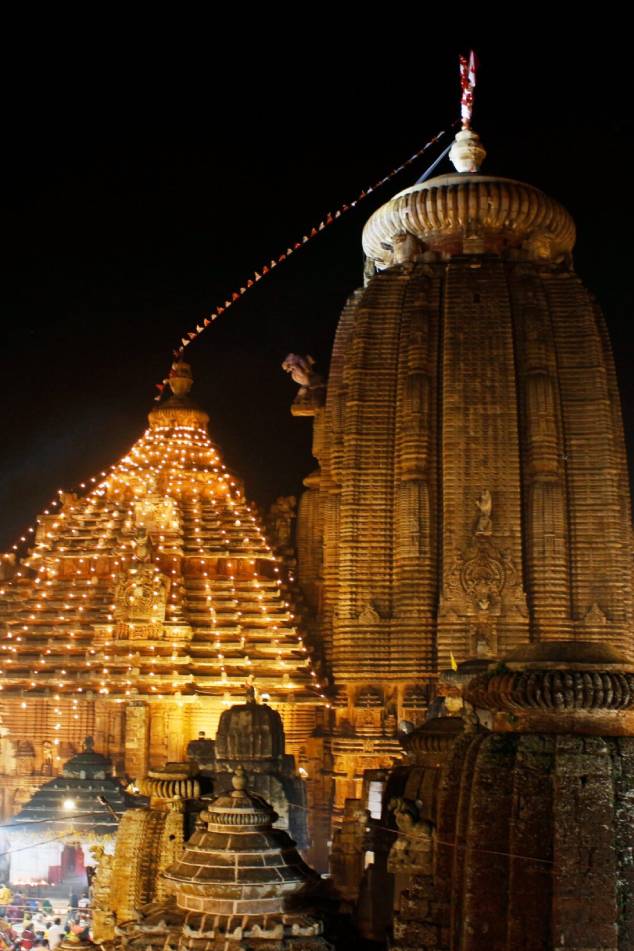
The Lingaraja Temple is one of the oldest and largest temples in Bhubaneswar, the capital of the Indian state of Orissa. The temple is over 1,000 years old and is dedicated to Lord Shiva. It is one of the most important pilgrimage sites for Hindus in India.
Read More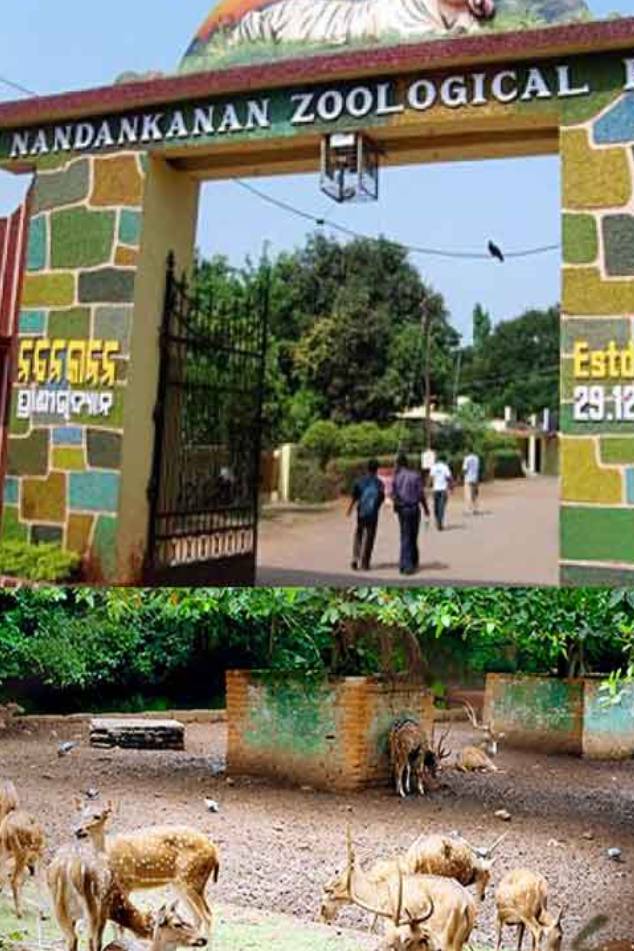
Nandan Kanan zoological park
Nandan Kanan Zoological Park is committed to conserving biodiversity and protecting endangered species. It has successfully bred several endangered species, including the Asiatic lion, Bengal tiger, white rhinoceros, and Red pandas. The zoo regularly holds awareness campaigns to educate people about the importance of conservation.
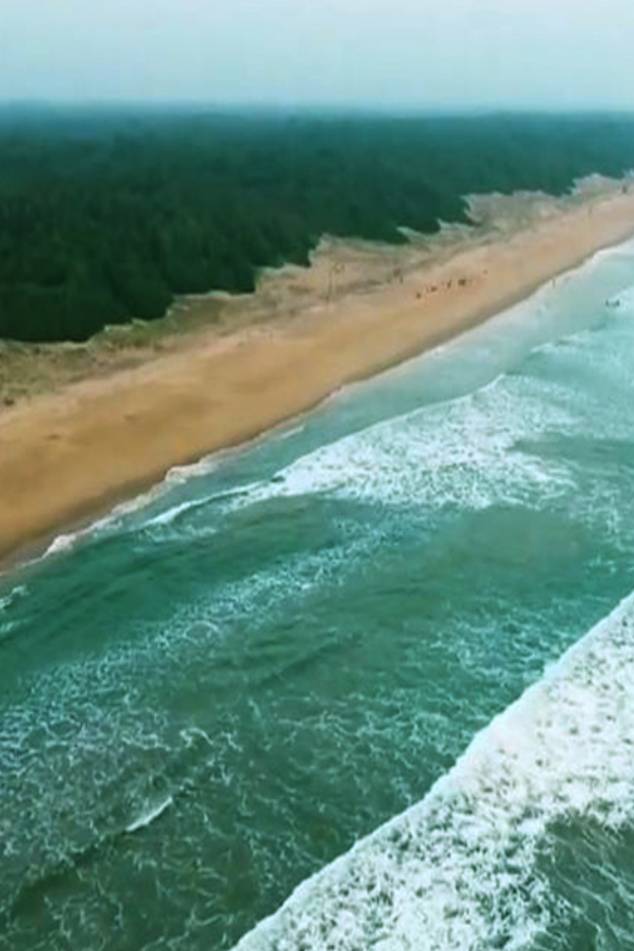
Astaranga
Astaranga, a beautiful sandy beach in Odisha, is a perfect place to relax and enjoy the mesmerizing view of the Bay of Bengal. The long stretch of golden sand and the clear blue waters make it a very popular spot for tourists. Astaranga is also known for its fishing village and natural harbor.
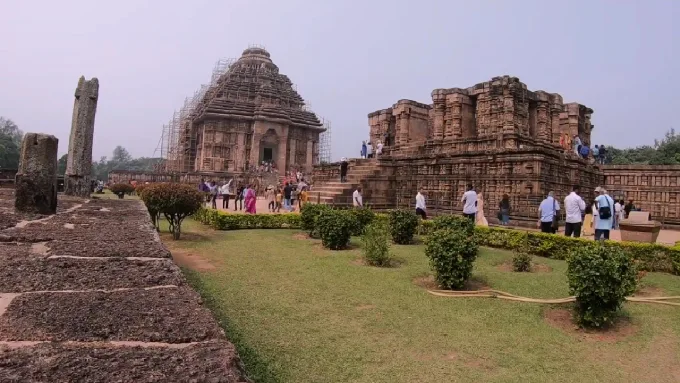
Konark Sun Temple (~36 km northeast):
An architectural marvel from the 13th century shaped like a massive chariot. It takes about 1 hour to reach via the Marine Drive.
Read More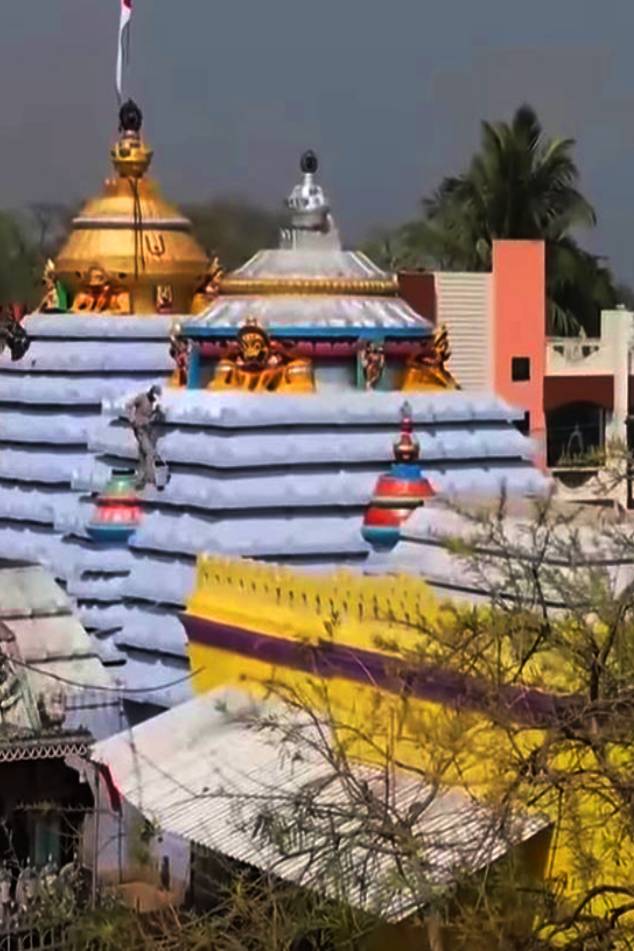
Kakatpur temple
Kakatpur is a town located in the Puri district of Odisha, India. The town is home to the Kakatpur Mangala Temple, which is one of the four major temples dedicated to the Hindu god in Odisha. The temple is situated on a hillock overlooking the Bay of Bengal.
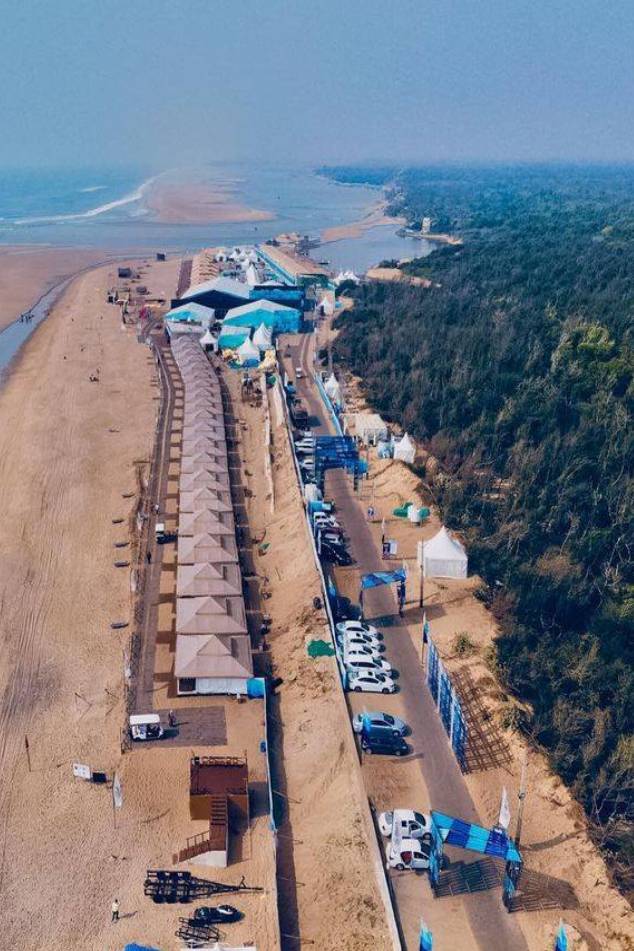
Konark Beach
Konark Beach is one of the most popular beaches in India. It is located in the state of Odisha and is known for its beautiful sunrises and sunsets. Konark Beach is also home to the famous Konark Sun Temple, which is a UNESCO World Heritage Site. The beach is situated on the Bay of Bengal and offers a stunning view of the ocean. Visitors to Konark Beach can enjoy swimming, sunbathing, and fishing.
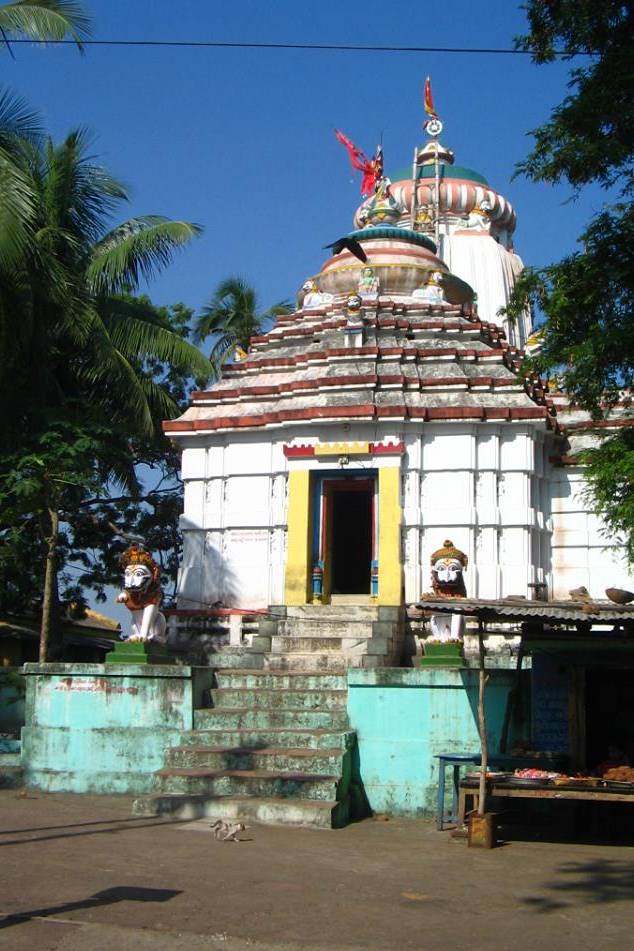
Ramachandi Temple
Ramchandi Temple is a Hindu temple dedicated to the goddess Ramchandi, located in Konark, Odisha, India. The temple is situated on the banks of the Chandrabhaga River. One of the most popular tourist attractions in Odisha, and receives a large number of visitors each year. The temple complex is also home to a number of shops and restaurants, making it an ideal place to spend a day exploring.
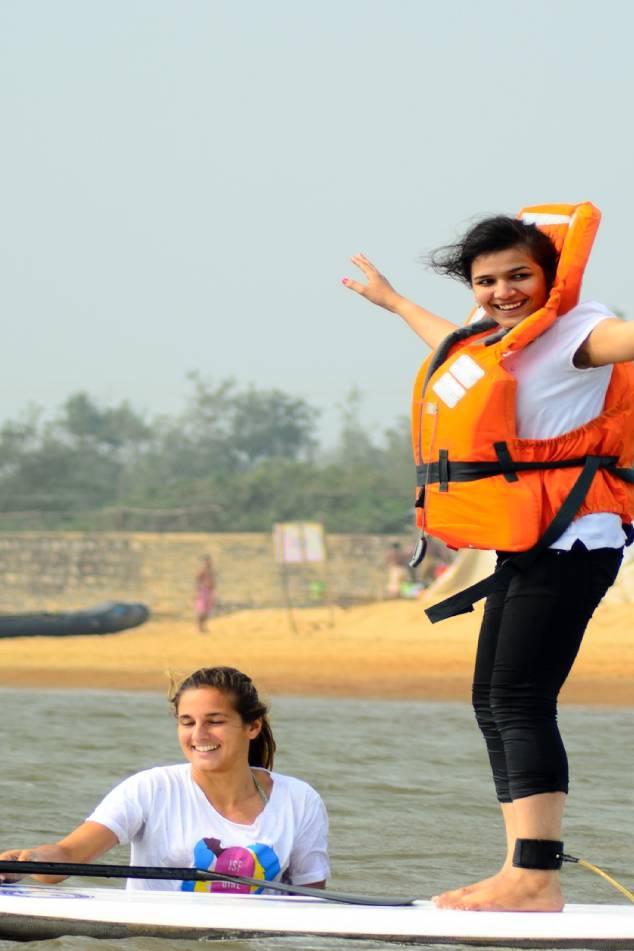
Ramchandi Beach (~25 km northeast)
Ramchandi beach is located in the town of Konark, in the state of Odisha, on the east coast of India. The beach itself is quite long and wide, with plenty of space for everyone. There are also numerous activities available for visitors to enjoy, such as swimming, sunbathing, boating, and windsurfing.
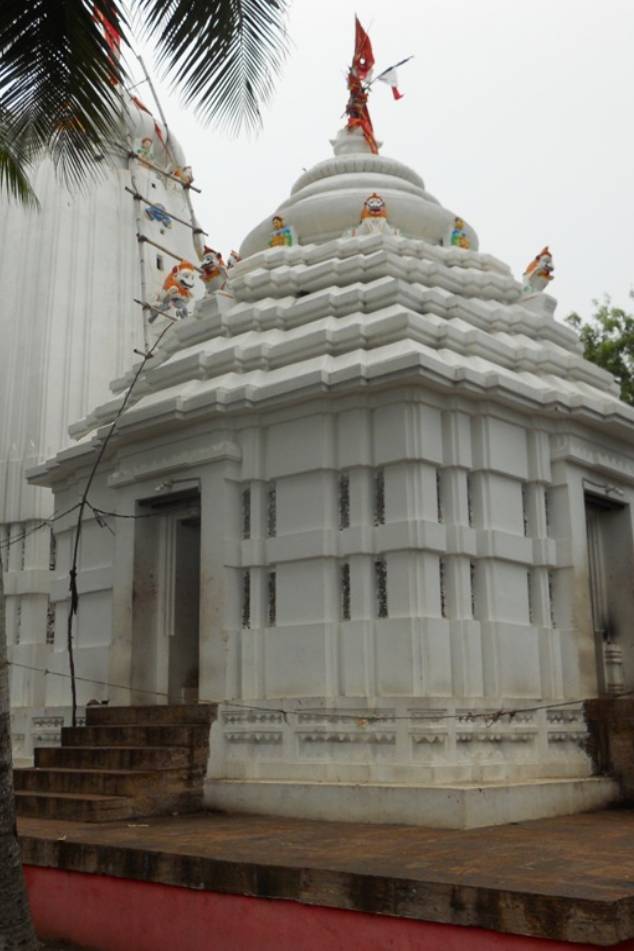
Baliharachandi Temple (~27 km from Puri)
A serene temple dedicated to Goddess Chandi, located near the confluence of the Bhargavi River and the Bay of Bengal. Surrounded by sand dunes and scenic coastal views, it’s a peaceful stop on the way to Konark and can be reached in about 40–45 minutes via the Marine Drive.
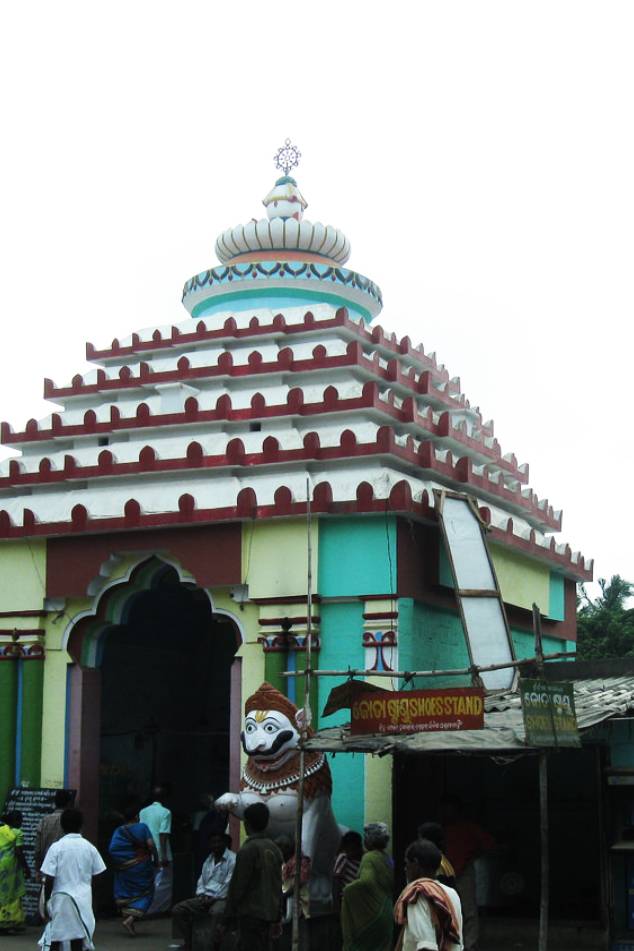
Alarnath Bramhagiri
The Alarnath Bramhagiri Puri is one of the four major Hindu pilgrimage sites in the country and is considered to be an important part of the Hindustan religious landscape. The temple complex is located on top of a hillock and consists of three main shrines – the main shrine dedicated to Lord Alarnath.
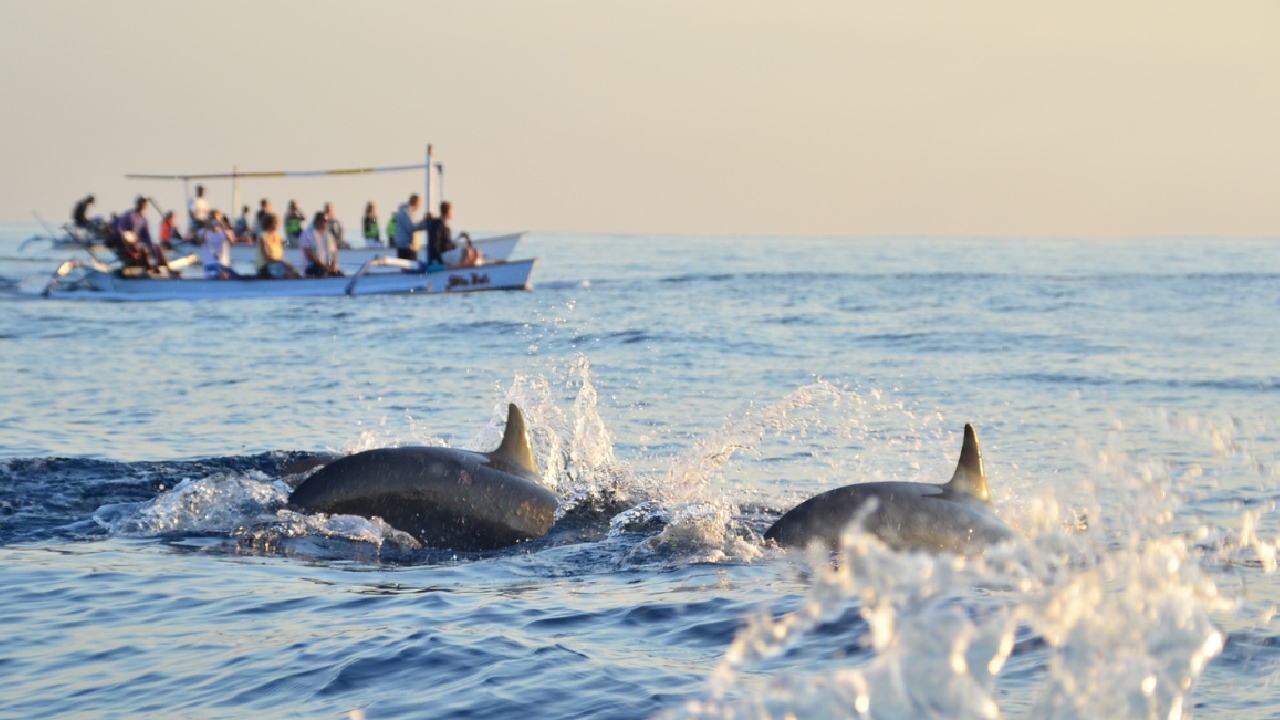
Chilika Lake & Sanctuary (~50 km southwest)
The Chilika Lake is a brackish water lagoon in the Indian state of Odisha. It is the largest coastal lagoon in India and the second largest lagoon in the world. The lake is home to more than one million birds, making it an important stopover for migrating birds and dolphins.
Read More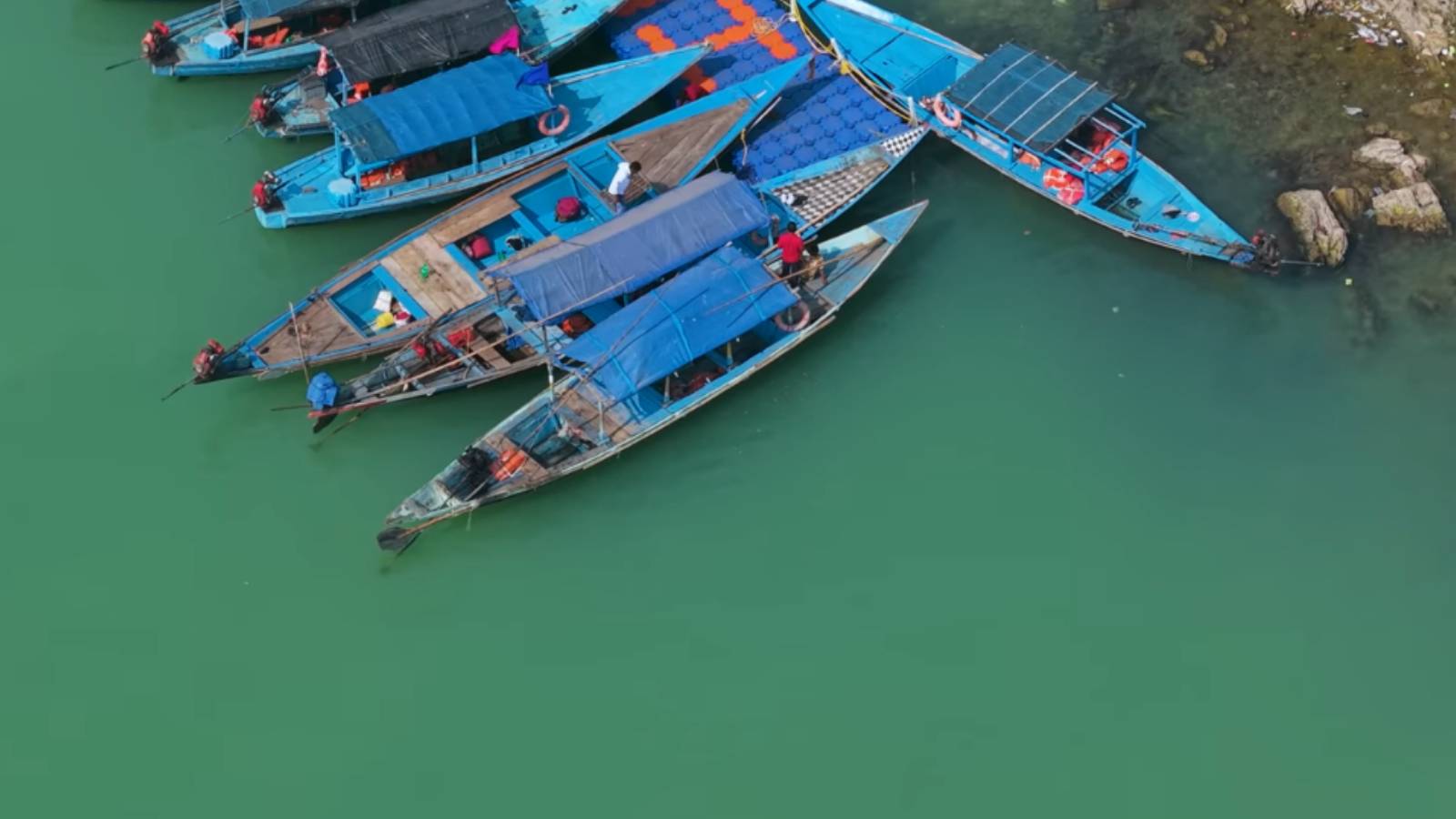
Chilika Lake & Boating
The Boating Barkul is situated on the banks of Chilika Lake. It offers a range of boat rides, from leisurely cruises to bird-watching tours and fishing trips. Visitors can also enjoy a meal or a cup of tea while enjoying the beautiful views of the lake.
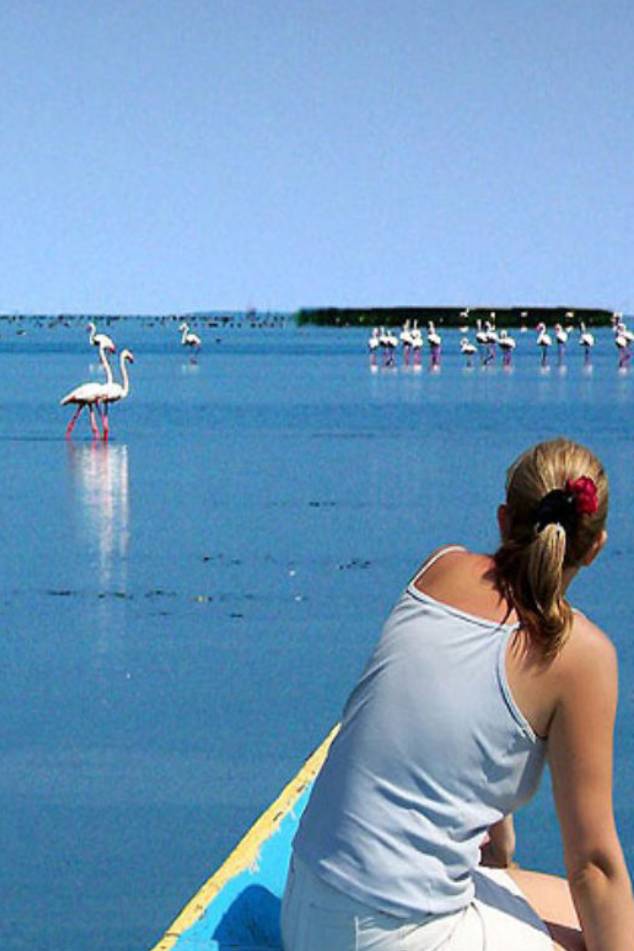
Nalabana Wild Life Sanctuary
Nalabana Wildlife Sanctuary is a protected area located in the Chilika Lake region of Odisha, India. he sanctuary was created in 1987 to protect the endangered chilika dolphins & migratory birds. Over 2000 types of birds have been recorded in the sanctuary including greater flamingoes, pelicans, storks herons ,egrets and many more.
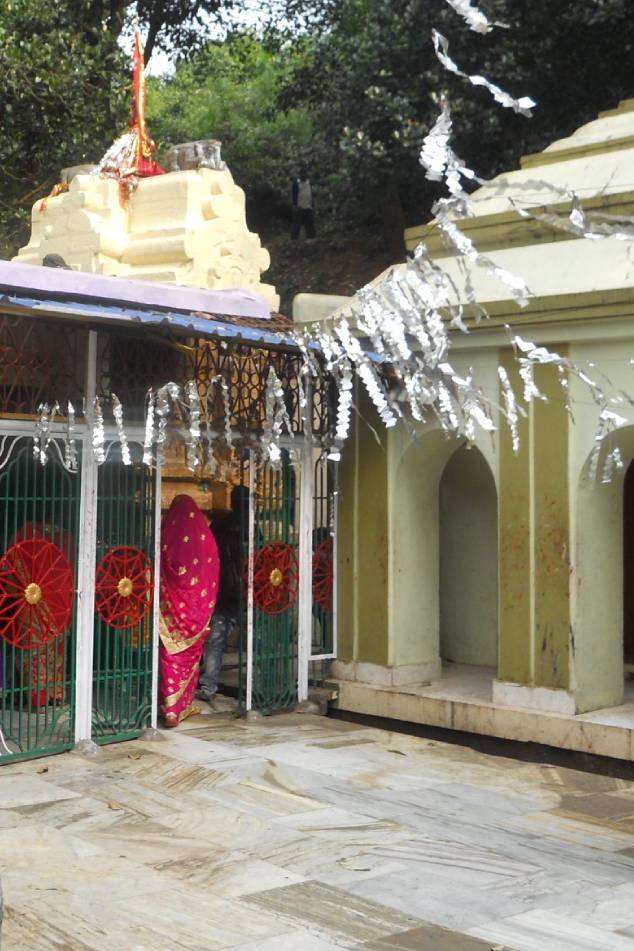
Narayani Temple
The Narayani temple is located in the Chilika lake. It was built in the 11th century and is dedicated to the Hindu god Vishnu. The temple is made of sandstone and has a flight of stairs leading up to it. The stairs are lined with statues of elephants, horses, and lions. Inside the temple, there is a statue of Vishnu that is covered in gold. The temple is popular with tourists and Hindus alike.