
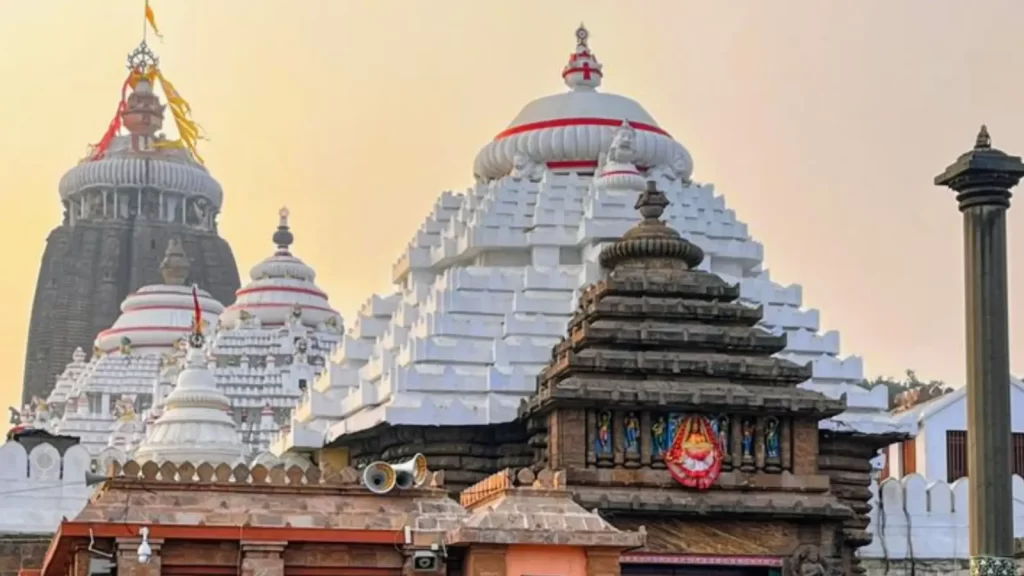
The Jagannath Temple in Puri changes through the seasons with unique attire, climate-linked rituals, and massive festivals that reflect the rhythm of nature and Hindu cosmology. But for anyone who regularly travels around Puri, the more noticeable change is on the ground. The crowd outside Srimandir, the movement along Bada Danda, the availability of hotels, the way vehicles move through the old town and even the amount of time you need for a simple temple visit can be very different depending on when you arrive.
We see this difference throughout the year. A normal morning around Jagannath Temple has a steady flow of pilgrims and local activity. During Ratha Yatra, that familiar stretch of Bada Danda becomes the centre of an enormous gathering. You cannot approach both situations with the same travel plan.
That is why choosing when to visit Jagannath Temple is not only about weather. It is also about deciding which side of Puri you want to experience.
A Normal Day Around Jagannath Temple
A regular day around Jagannath Temple has its own rhythm, and it feels very different from the major festival periods. The area around Singhadwara becomes active early. Pilgrims arrive for darshan, local shops open and the old parts of Puri gradually become busier. Bada Danda has a steady flow of people, but it does not have the extraordinary crowd movement seen during Ratha Yatra.
From our experience planning Puri trips at MyPuriTour, we usually recommend keeping the temple visit towards the beginning of the day. This works particularly well for families and senior travellers who may not want to spend the hottest or busiest part of the day around the temple.
Once the temple visit is completed, the rest of the day can remain flexible. Puri Beach, local markets and nearby attractions can then be planned without rushing. That flexibility is one of the main advantages of visiting outside the major festival periods.
Summer and Chandan Yatra
The summer months bring an important phase of the Jagannath calendar. Chandan Yatra is associated with this period and includes traditional boat rituals at Narendra Tank involving representative deities.
For travellers, the summer heat is something we always consider while preparing an itinerary. Walking and waiting outdoors can become tiring, especially for older visitors and children.
We generally suggest starting outdoor activities early and keeping the middle of the day lighter. A break at the hotel can make evening sightseeing much more comfortable.
Summer is also when attention gradually turns towards Ratha Yatra. Preparations for the annual chariots traditionally begin around Akshaya Tritiya, and the build-up to the festival becomes increasingly visible in Puri.

Snana Yatra and the Anavasara Period
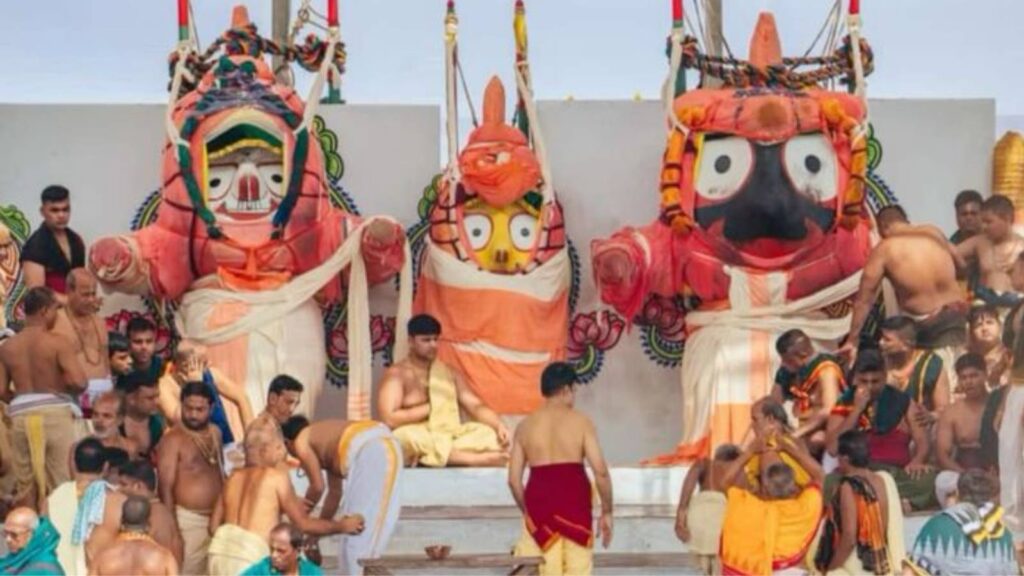
Snana Yatra, also known as Debasnana Purnima, is an important event in the Jagannath calendar. The three deities are ceremonially bathed as part of the traditional observances.
The period that follows is known as Anavasara, traditionally understood as a period of rest for the deities following the ceremonial bathing. For travellers, this is a period where we recommend checking the arrangements for the particular year before finalising a temple-focused itinerary. The temple’s ritual calendar does not operate like a normal tourist attraction timetable.
Some rituals are part of the established temple system and are not open for unrestricted viewing by visitors. It is better to understand what can actually be experienced by pilgrims rather than arriving with expectations based only on online descriptions.al days.
Ratha Yatra: When Puri Changes Completely
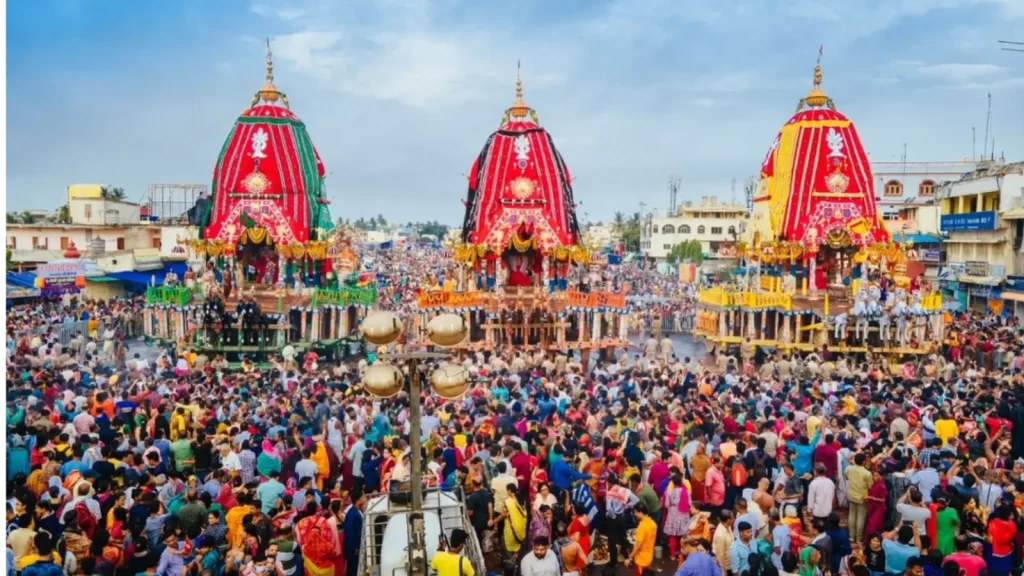
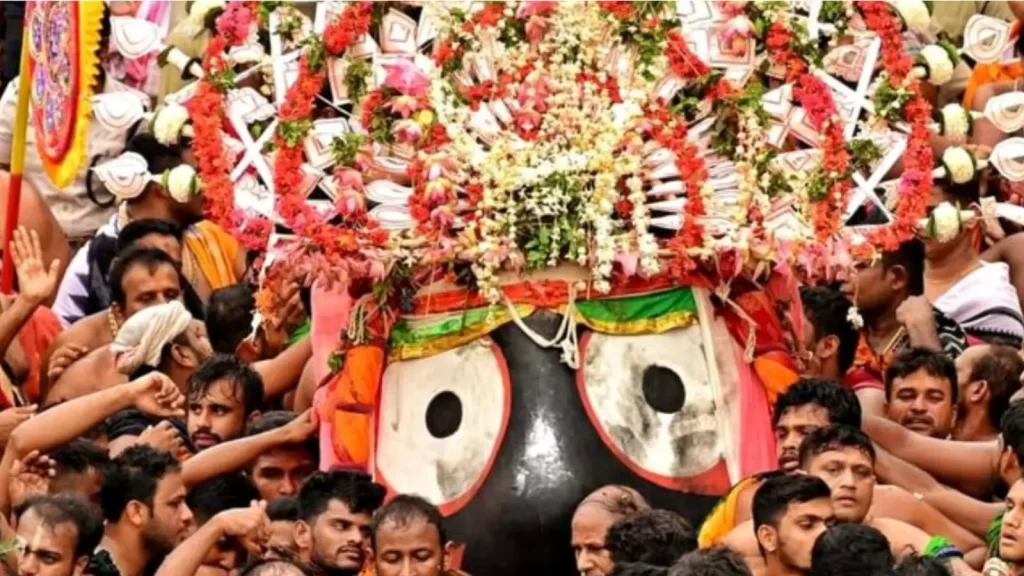
Ratha Yatra is when the difference between an ordinary visit and a festival visit becomes most obvious. Lord Jagannath, Lord Balabhadra and Devi Subhadra travel from the temple in their three chariots towards Gundicha Temple. Bada Danda becomes the centre of one of Puri’s biggest annual public celebrations. From a travel-planning perspective, this changes almost everything.
At MyPuriTour, we never treat Ratha Yatra as a normal sightseeing day. On an ordinary day, a traveller may comfortably visit Jagannath Temple and later continue towards the beach or another nearby attraction. During Ratha Yatra, the festival itself should be the main focus.
Vehicle movement around the central temple area can be affected by crowd-control and festival arrangements. Even short distances may take much longer than expected because pedestrian movement dominates the area.
We would not recommend attending Ratha Yatra and then trying to fit Konark, Raghurajpur and several other attractions into the same tight schedule. It creates unnecessary pressure and leaves little room for delays.
Accommodation also needs advance planning. During major festival periods, hotel demand can be much higher than normal, so leaving your stay arrangements until the last minute is not a good idea.
For travellers who specifically want to experience Ratha Yatra, the crowds are part of the occasion. For those looking for a peaceful temple visit, we generally recommend another period.the largest and most revered religious festivals in the world.
Bahuda Yatra: The Festival Continues
The festival atmosphere does not disappear after the outward journey of the chariots.
Bahuda Yatra marks the return journey of the deities towards the Jagannath Temple. Bada Danda again becomes an important part of the public celebration.
This is useful when choosing travel dates. The busiest period is not limited to one single day, and accommodation, traffic and movement around central Puri can remain affected. If your main purpose is to experience the Jagannath festival season, staying through the return celebrations gives you a broader view of the annual cycle.
Suna Besha and the Golden Attire
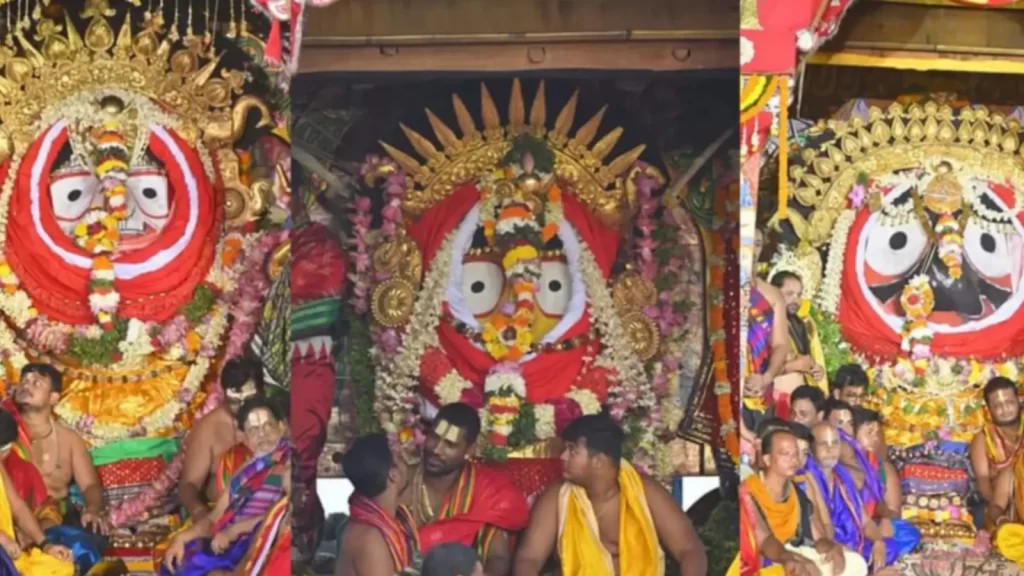
Suna Besha is one of the most recognisable occasions in the Ratha Yatra sequence. The deities are adorned with elaborate golden ornaments, making it an especially significant occasion for devotees.
For travellers, however, the practical consideration remains the crowd. We recommend keeping plans simple on major festival days. Allow extra time for walking and waiting, avoid unnecessary vehicle movement around the busiest areas and keep enough time between activities.
For families and older travellers, this becomes even more important. A comfortable hotel, suitable footwear, drinking water and a flexible schedule can make a major difference.
Niladri Bije and the Return to the Temple
The Ratha Yatra cycle eventually reaches Niladri Bije, associated with the return of the deities to the Jagannath Temple. By this point, Puri has passed through one of the most intense periods of its annual calendar. The city gradually begins returning to its everyday rhythm. For travellers visiting later, central Puri becomes easier to navigate and sightseeing once again becomes simpler to organise.
After Ratha Yatra: A More Relaxed Puri
There is a quieter side of Puri that can easily be missed when people think only about Ratha Yatra. Outside the major festival period, we can plan a much more balanced trip. A traveller can spend time at Jagannath Temple, explore the old town, visit Puri Beach and keep another part of the itinerary for Konark or Raghurajpur.
The temple remains busy with pilgrims throughout the year, so “quiet” does not mean empty. It simply means Puri is not dealing with the extraordinary movement associated with a major festival. For first-time visitors, families and travellers who want to understand Puri at an easier pace, this can be a much more comfortable option.
Kartika: A Different Devotional Atmosphere
Kartika brings another distinct phase to the Jagannath calendar. The month has strong religious importance and pilgrimage activity increases. The atmosphere is very different from Ratha Yatra. There are no massive chariots dominating Bada Danda, but the devotional character of Puri becomes particularly noticeable.
For travellers interested in the religious side of Jagannath Temple, this period can offer a different perspective. We still advise visitors to separate public experiences from temple rituals. Many traditional observances belong to the established temple system and are not intended as public performances for tourists.
Winter: Comfortable for Temple and Sightseeing
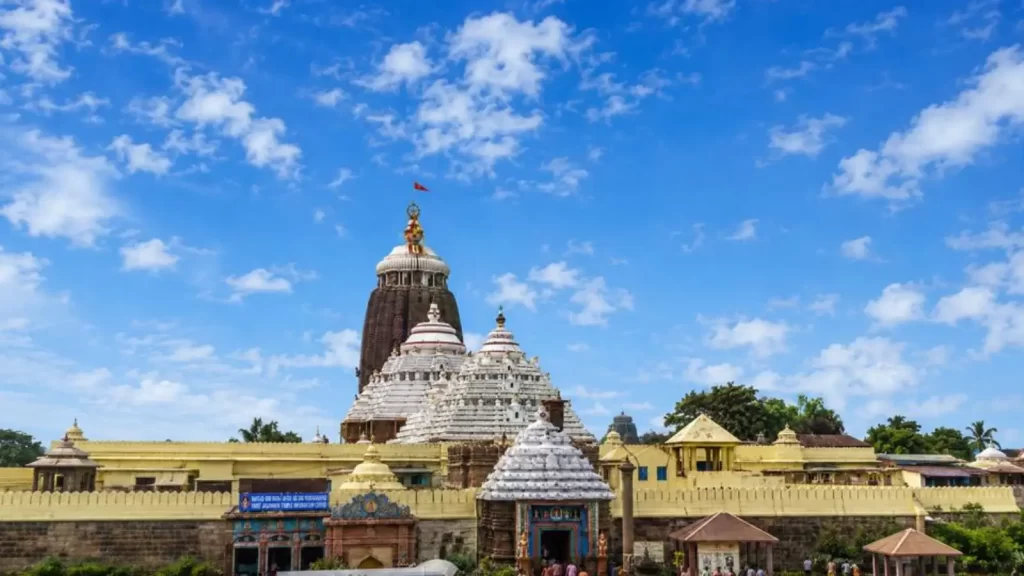
For a general Puri holiday, winter is one of the easier periods to recommend. The weather is more comfortable for walking and outdoor sightseeing, making it easier to combine Jagannath Temple with Puri Beach, local markets and nearby destinations.
This is particularly useful for families and senior travellers. Instead of dealing with intense summer heat or the extraordinary crowds of Ratha Yatra, you can keep the itinerary relaxed.
When we prepare Puri itineraries at MyPuriTour, we often find that a simple schedule works best: start early, complete the temple visit, take a break and continue sightseeing later. There is no need to rush through Puri simply because several attractions appear on the itinerary.
How the Seasons Change Your Puri Trip
The biggest seasonal change is not always inside the temple. It is what happens around the temple. During a normal period, a private car makes it convenient to move between Puri and nearby sightseeing destinations. During major festivals, vehicle movement around the central temple area can be affected by local traffic arrangements and crowd control.
This is why we plan festival trips differently from regular Puri tours. A normal itinerary may comfortably include Jagannath Temple in the morning and Konark later in the day. Trying to follow the same plan on Ratha Yatra can leave travellers spending much of the day dealing with crowds and delays.
Hotel location also matters more during festival season. Staying somewhere with convenient access to the places you actually need to visit can make the trip considerably easier.
What Is the Best Time to Visit Jagannath Temple?
There is no single best month for everyone. For a relaxed temple visit, we generally recommend a regular period outside the biggest festivals.
Who specifically want to experience Ratha Yatra, the festival season is the obvious choice—but it requires early hotel planning, flexible sightseeing and patience with crowds. For families and senior citizens, comfortable-weather periods outside the busiest festival days are generally easier.
For travellers interested in Jagannath traditions, choose the season or festival that genuinely interests you rather than simply choosing the busiest time of year.
The right date is the one that matches the experience you want.
Practical Tips for Visiting During Festival Season
The first thing we tell travellers is simple: do not plan a festival trip like a regular Puri tour.
Keep the festival as the main focus of the day. Allow more time for movement than you normally would and avoid scheduling several distant attractions around the same event. Book accommodation early during major festival periods. Hotel availability can become much tighter than usual.
If you are travelling with elderly family members or children, consider the amount of walking and waiting involved before deciding how close you want to get to a major public gathering. Also check the festival dates and local arrangements for the year of your visit. Dates follow the traditional calendar, and arrangements can change from year to year.
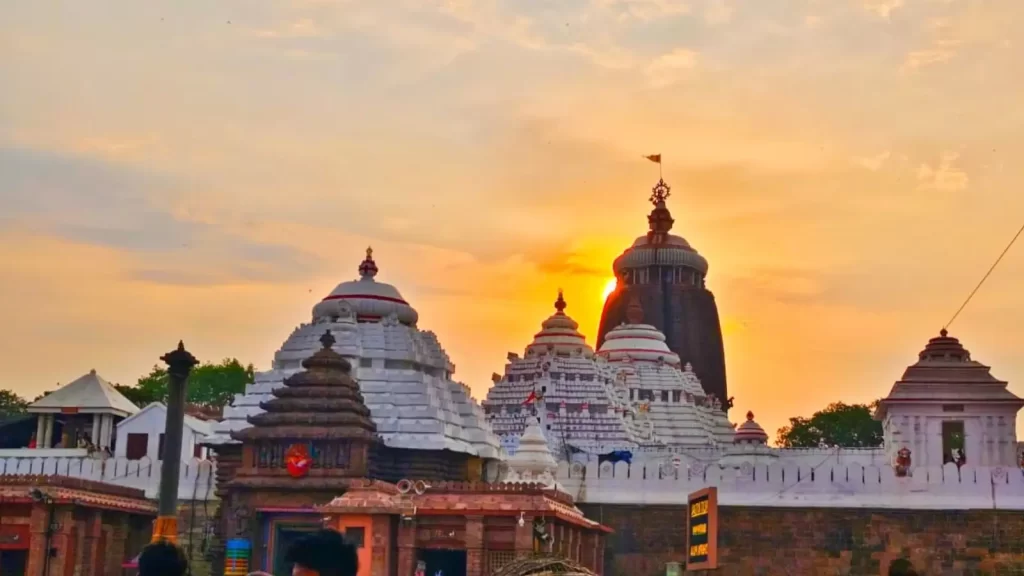
Most importantly, remember that not every Jagannath Temple ritual is open for unrestricted public viewing. Public celebrations such as Ratha Yatra are different from rituals conducted within the traditional temple system.t times to Visit Jagannath Temple. The cool weather, pleasant atmosphere, and comfortable climate make it ideal for peaceful darshan, exploring the temple, and experiencing its sacred rituals without the intense summer heat or monsoon crowds.
Best Season for Different Types of Visitors
| Sitor Type | Best Season | Why |
|---|---|---|
| Pilgrims | June–July | Rath Yatra |
| Families | November–February | Pleasant weather |
| Senior Citizens | December–January | Comfortable climate |
| Photographers | October–February | Clear skies |
| Cultural Travelers | June–July | Grand festivals |
| Peaceful Visitors | February–March | Fewer crowds |
| Beach Lovers | October–February | Ideal weather |
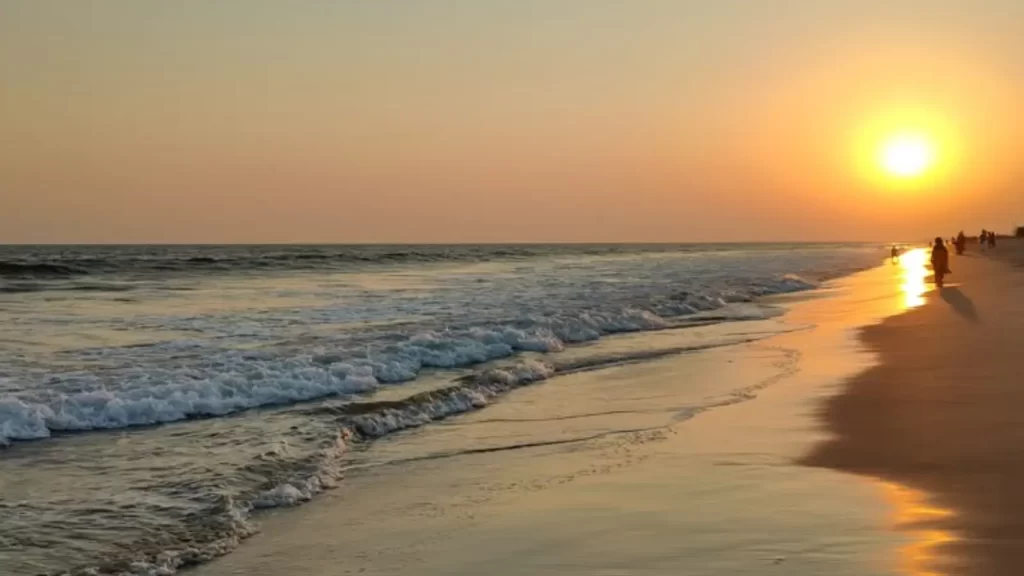
From our experience at Mypuritour, the most useful way to look at the seasons of Jagannath Temple is simple: You are not simply choosing when to visit the temple—you are choosing which side of Puri you want to experience.