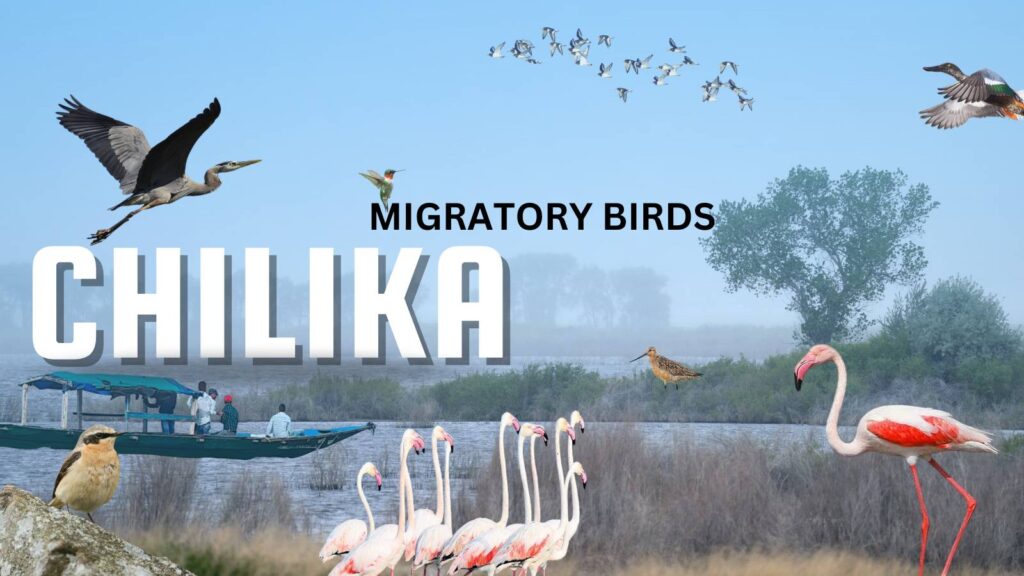
Each winter, the region around Chilika Lake near Puri in Odisha transforms into one of nature’s most enchanting spectacles. Millions of migratory birds arrive, turning the lake into a temporary habitat that supports a diverse range of species. This seasonal influx significantly impacts biodiversity, puri tourism, and local livelihoods.
Why Chilika Lake Is India’s Top Birdwatching Destination This Winter
Visitors can observe thousands of birds gliding over the waters, resting on mud-flats, and interacting with the delicate ecosystem, underscoring the ecological importance of the region. Chilika Lake has thus become a key winter destination for bird-watchers and nature enthusiasts. Find ecological and economic significance of this phenomenon and guidance for responsible wildlife observation.
Chilika Lake: India’s Largest Brackish Water Lagoon
Located along the eastern coastline of India in Odisha, Chilika Lake is much more than a scenic water body — it is a unique and dynamic ecosystem. The lake is a shallow brackish‑water lagoon, which means it lies where freshwater from rivers mixes with the saline waters of the Bay of Bengal.
Geographically, during peak season the lake spreads across approximately 1,100–1,165 square kilometres (depending on rainfall and tidal/river input). Its size and scale are such that thousands of birds settle there each winter.
What makes it exceptional is the combination of salt‑influx channels, shallow waters, mud‑flats, islands, and fringed reed and marshlands — each providing different kinds of habitat for birds, fish, crustaceans and plants. Indeed, Chilika supports over 800 species of fauna (including fish, birds, reptiles) and a rich diversity of aquatic and littoral plants.
Economically, Chilika is vital for Odisha’s coastal communities: more than 150,000 fisherfolk depend directly on its waters, and tourism tied to its scenic beauty and avian visitors contributes significantly to the regional economy. The lake thus intertwines natural heritage with human livelihood and recreation.
Travelers can enjoy this ecological marvel through curated chilka lake tour , which provide guided boat rides, birdwatching trips, and immersive encounters with the lagoon’s unique biodiversity.
Migratory Birds Arrive in Millions
One of the most compelling phenomena at Chilika is the seasonal influx of migratory birds travelling thousands of kilometres from places such as Siberia, Central Asia, and the Caspian‑region. These birds arrive because Chilika offers food, safe roosting habitat, and milder winters compared with their breeding grounds.
Types of Migratory Birds
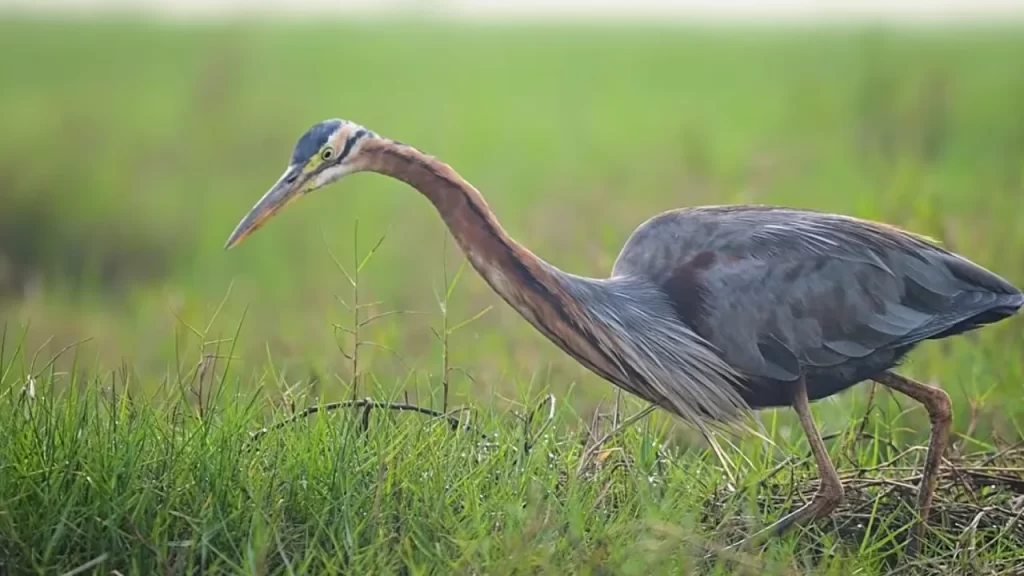
Chilika Lake hosts a rich variety of migratory birds that arrive from distant regions like Siberia, Central Asia, and the Caspian region. These birds use the lake’s islands, mudflats, and shallow waters for feeding, resting, and nesting during the winter months.
Notable species include:
- Ducks
- Northern pintail
- Eurasian wigeon
- Lesser whistling duck
- Gadwalls
- Spot‑billed pelicans
- Geese
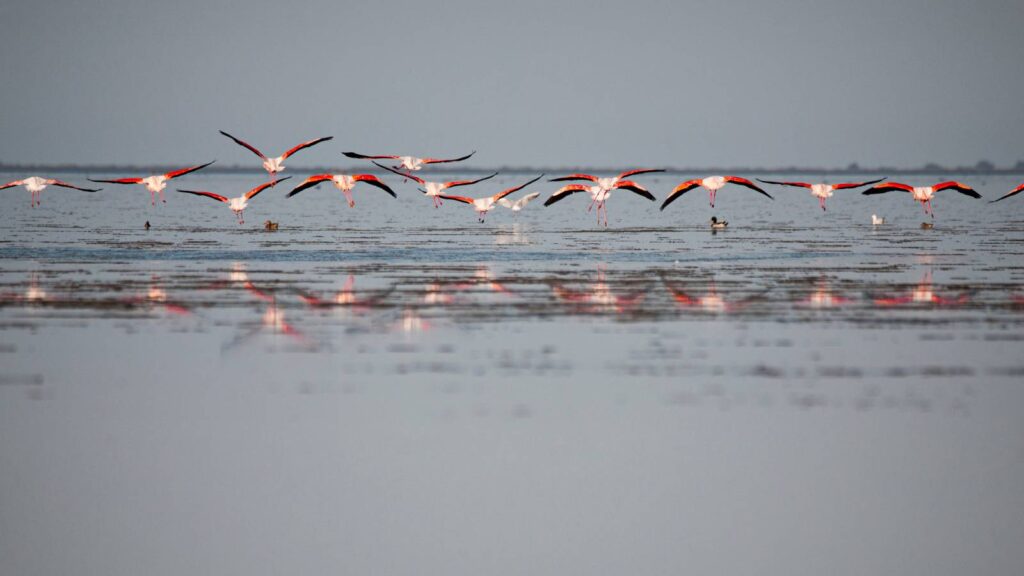
- Greater flamingos (found in the shallower parts of the lagoon)
These species not only add to the scenic beauty of Chilika but also indicate the ecological health of the wetland, making it an important site for conservation and eco-tourism.
Approximate Numbers Observed this Winter
In the 2024–25 winter survey, Chilika recorded 1,127,228 birds across 196 species. Of these, approximately 1,087,226 were migratory birds from 109 species. In 2024 the count was 1,137,759 birds of 187 species. Numbers are staggering and underscore the lake’s importance.
Timing of Migration
The migratory birds typically begin arriving from October onwards, with the peak period usually between November and February. They stay through the winter months and gradually depart when spring approaches and temperatures rise.
Conservation Status of Some Notable Species
Some of the species arriving are listed as vulnerable or near‑threatened under the IUCN Red List. The presence of these species underlines Chilika’s role as a crucial wintering ground where such birds can feed, rest and multiply safely before embarking on their return migration.
Ecological and Environmental Significance
Chilika Lake plays a important role in sustaining biodiversity, supporting migratory birds, and maintaining the overall health of the wetland ecosystem. Its rich habitats and nutrient-rich waters make it vital for ecological balance and environmental sustainability.
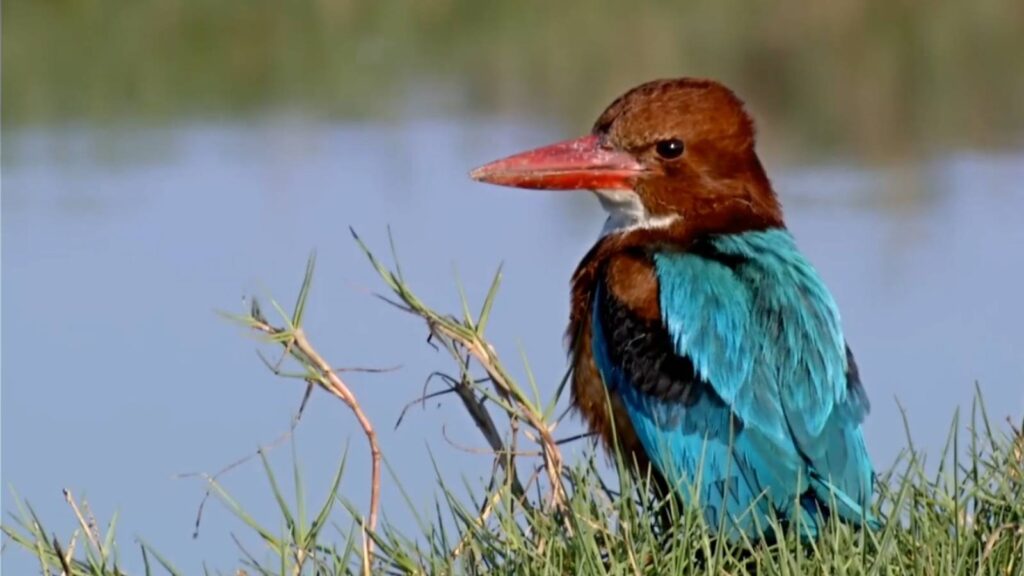
Role of Chilika Lake in the migratory cycle of these birds
Chilika serves as one of the largest wintering grounds for migratory water‑birds on the Indian sub‑continent. The lake’s mud‑flats, shallow waters and island systems (notably the protected island of Nalabana Island) provide resting, feeding and roosting sites for birds journeying across continents. Without such stops, many species would struggle to complete their seasonal circuit.
Impact on the local ecosystem and biodiversity
Arrival of large bird populations enhances nutrient cycling: their droppings enrich the waters and sediments, which in turn supports fish and shrimp populations. The birds also aid in seed dispersal and help maintain the food web of the wetland habitat. Their presence is an indicator of the health of the ecosystem — a high bird‑count often corresponds to abundant food, good water quality and minimal disturbance.
Ongoing conservation and preservation efforts by government or NGOs
Chilika is designated as a Ramsar site, recognising its international importance as a wetland. Forest and wildlife authorities, together with the Chilika Development Authority (CDA) and NGOs, actively monitor water‑quality, control invasive vegetation, manage siltation and restore hydrology to maintain salinity levels and shallow‑water habitats e
Tourism and Birdwatching Opportunities
Chilika Lake transforms into a vibrant hub for nature enthusiasts during winter, attracting thousands of visitors eager to witness the migratory spectacle. Combination of diverse bird species, scenic waterways, and serene surroundings makes it a top destination for eco-tourism.
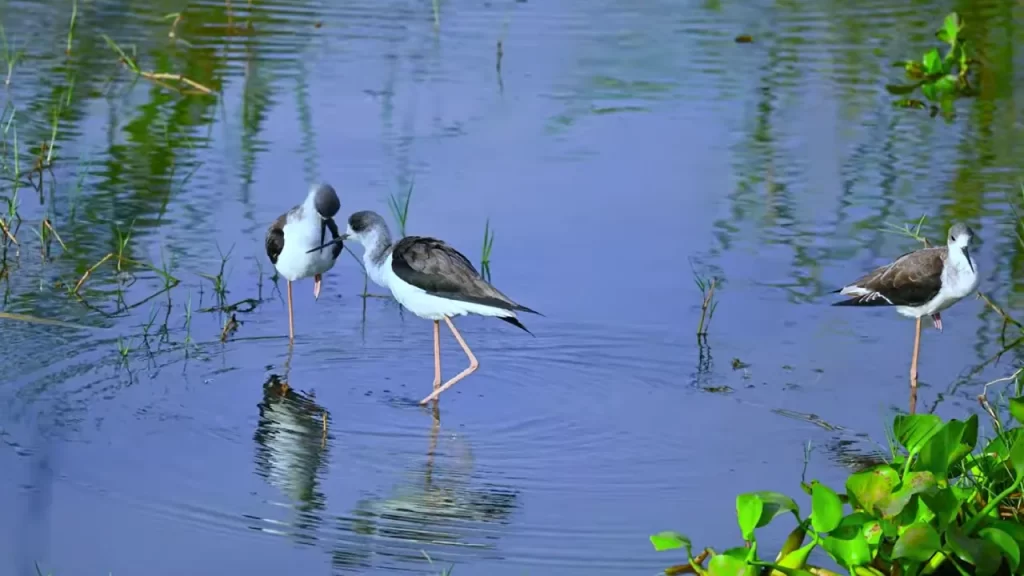
How winter attracts tourists, photographers and nature enthusiasts
With cooler weather, mist rising over the waters and tens of thousands of birds in flight or feeding, the lake offers magical moments for visitors. Photographers in particular find the interplay of light, reflections and flocks of birds especially compelling. For bird‑watchers, the lake presents an opportunity to tick off a large number of species in one visit.
Recommended viewing points and best times to visit
- Early morning (sunrise) and late afternoon are ideal for lighting and bird activity.
- Area around Nalabana Island is a prime zone (though access is restricted) and nearby vantage points give excellent views.
- Village of Mangalajodi on the northern shore of Chilika is emerging as a popular bird‑tourism hub with guided boat safaris.
Local tours, boat rides and accommodation facilities
Boat rides are available from various jetty points around Chilika, offering guided tours of channels, shallow flats and islands. Local guest‑houses, eco‑lodges and homestays around Puri and Chilika provide accommodation — many run by communities. Equipment recommendation: bring a long‑lens camera (300 mm+), binoculars, and dress warmly (early mornings can be chilly).
Guidelines for responsible tourism and eco‑friendly practices
- Maintain a respectful distance from birds, especially when they are feeding or roosting.
- Avoid disturbing sensitive habitats (e.g., gliding boats at high speed near roosting zones).
- Do not use single‑use plastics, and make sure your boat operator follows sustainable practices.
- Support community‑run enterprises — this helps ensure that the economic benefits flow to local people.
- Follow signage and rules established by the wildlife division and CDA.
Government Initiatives and Conservation Efforts
Odisha government, in collaboration with international conventions, has implemented policies to safeguard Chilika’s unique ecosystem and migratory bird populations. These initiatives balance ecological protection with sustainable tourism, ensuring long-term preservation of the wetland.
Policies by Odisha government or Ramsar Convention protections
Chilika was India’s first wetland to be declared under the Ramsar Convention (in 1981), recognising its global significance. Wildlife Zones such as Nalabana have been notified under the Wildlife (Protection) Act to protect newly arriving migratory species and their habitats.
Measures to maintain the lake’s ecosystem
Key efforts include:
- Ensuring hydraulic connectivity to the sea mouth so that salinity and tidal flows support the lagoon’s character.
- Controlling invasive aquatic plants which can choke shallow feeding areas.
- Regular bird‑census operations to monitor trends. For example, satellite‑tracking of certain species (such as flamingos) has been introduced to understand migration routes and durations.
- Collaborating with local fisherfolk and tourism stakeholders to establish wetland‑friendly practices.
Recent initiatives to promote eco‑tourism or protect migratory birds
Community‑based ecotourism programmes around Mangalajodi have trained locals as bird‑guides and boat‑operators, converting erstwhile poachers or unchecked users into wetland protectors. Surveillance zones and patrolling have also been intensified, especially in key sanctuaries. For example, dedicated protection camps were activated during the peak season.
FAQs
1. Can visitors access the central zone of the lagoon around Nalabana Island, or is it restricted?
Access to the core sanctuary zone around Nalabana is restricted to protect roosting birds; visitors must use designated boat routes and stay outside the core roosting area under supervision by the sanctuary authorities.
2. How does the salinity level of Chilika Lake vary during winter, and why does that matter for birds?
The hydraulic link to the sea ensures tidal flows bring in salt‑water, while river inflows dilute it — this brackish mix supports the lagoon’s food‑web (fish, crustaceans) that in turn sustains large water‑bird populations.
3. Do migratory birds stay at Chilika Lake until the onset of summer? When do they depart?
Many wintering birds depart by mid‑March or early April as temperatures rise and water levels fall; for instance, the lake’s bird‑count report notes early departures when conditions become unfavourable.
4. Are there any rare or threatened bird species that winter at Chilika Lake?
Yes — the lake hosts several inter‑continental migrants and species listed in conservation red‑lists; its sheer diversity makes it one of the major wetlands in India for threatened waterfowl.
5. How do local communities around Chilika engage with bird‑tourism, and what should a visitor know about ethical visits?
Villages like Mangalajodi operate community‑boat safaris and have shifted from past poaching to conservation‑based livelihoods; visitors should choose locally‑guided tours, support eco‑friendly practices, and respect the habitat.
6. What impact does unseasonal rainfall or higher water levels have on bird congregations at the lagoon?
Elevated water levels can submerge mud‑flats and feeding zones, reducing available habitat for water‑birds and causing them to disperse or relocate, which has been noted in recent census reports.
7. Is it possible to observe dolphin or other non‑avian wildlife during the bird‑watching season?
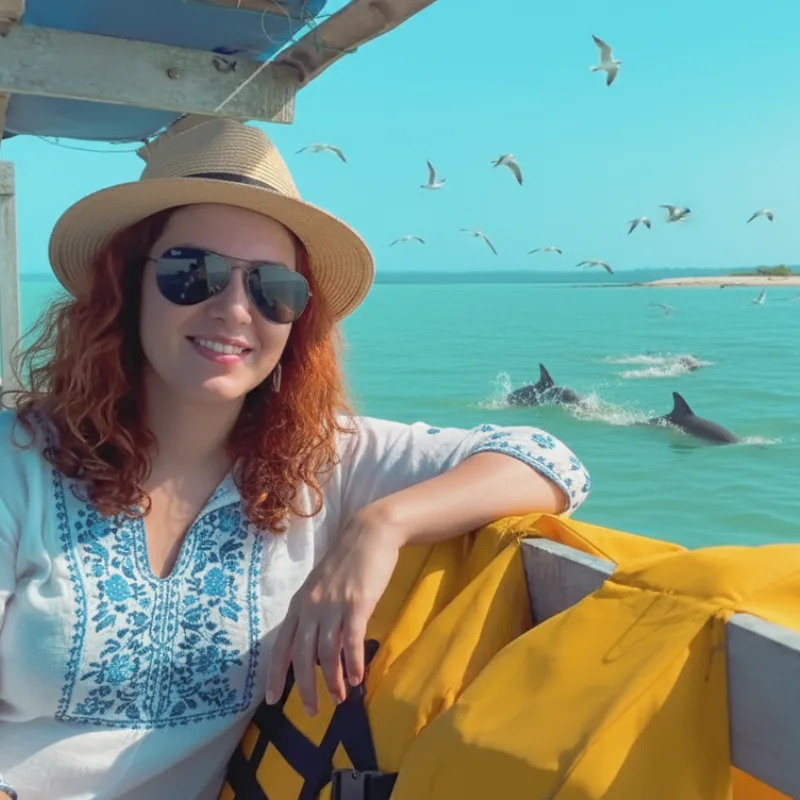
Yes — aside from birds, Chilika supports species such as the resident Irrawaddy dolphin and various fish and crustaceans; while bird‑watching remains the main focus for winter visitors, these add depth to the ecological experience.
8. What are the boat‑safari timing and photographic opportunities during the winter season?
Early morning (sunrise) and late afternoon are optimal times for light, reflections, and heightened bird activity; many boat‑operators schedule tours around these windows to maximise sightings and photography.
9. How should visitors prepare in terms of gear, bird‑identification and local weather during the winter at Chilika Lake?
Recommended gear includes binoculars or spotting scopes, a telephoto lens (300 mm+), warm clothing for chilly mornings, and a field‑guide/bird‑list; weather can be crisp and misty, contributing to stunning visuals but requiring warm layers.
10. How does tourism itself impact the winter bird‑population and habitat at Chilika, and what safeguards are in place?
Tourism—especially boat traffic, disturbance near roosting zones, and unregulated access—can stress bird populations; safeguards include managed boat‑routes, community‑run operations, monitored zones, and seasonal protection camps.