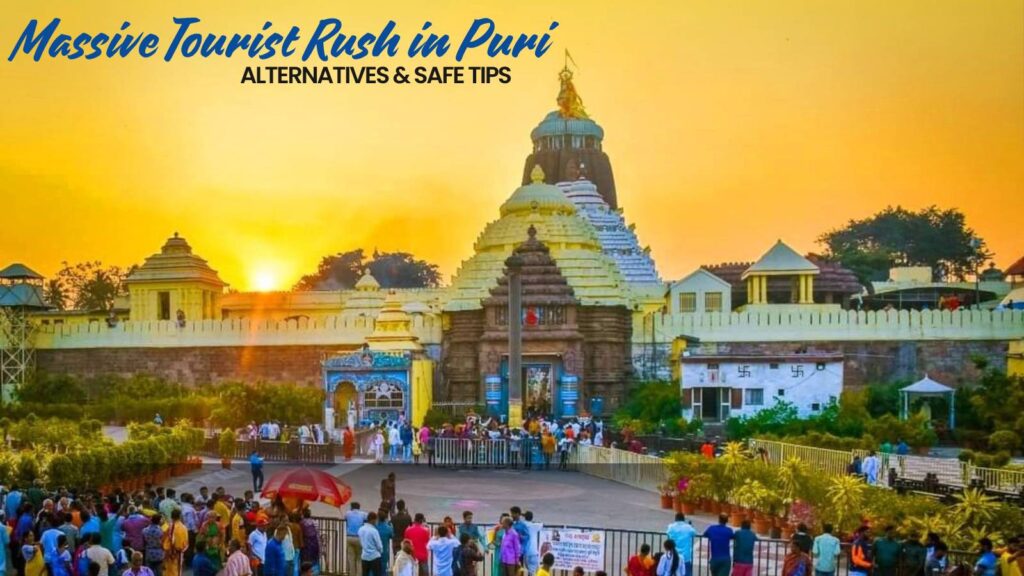
Puri, the spiritual heart of Odisha, is welcoming an unprecedented influx of tourists this festive season. From December 15 to January 5, record-breaking crowds are flocking from across India and abroad to experience the city’s spiritual, cultural, and recreational offerings.
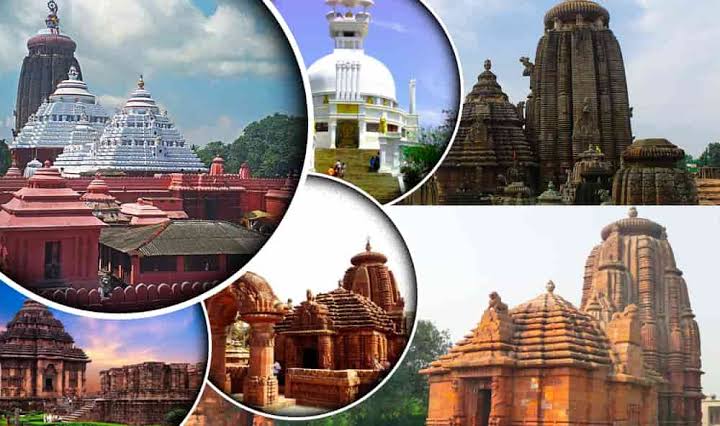
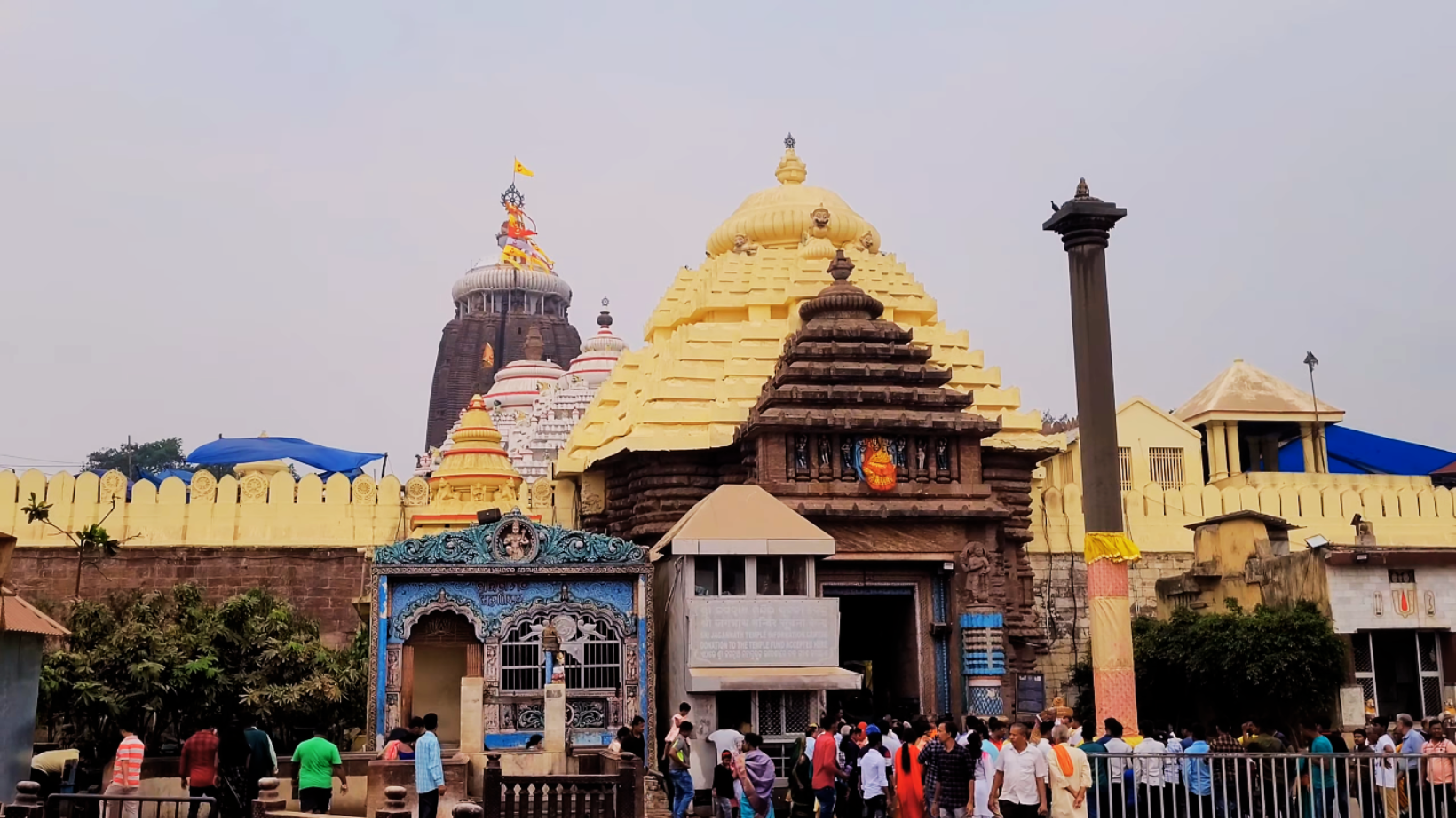
Religious festivals, winter holidays, and New Year celebrations drive this surge, making it one of Puri’s busiest tourism periods. Pilgrims visit the Jagannath Temple, one of India’s four Char Dham pilgrimage sites, while leisure travelers explore Puri’s beaches, vibrant markets, and cultural landmarks.
Surge has created challenges for travelers without confirmed accommodations, emphasizing the need to plan early. Beyond spiritual tourism, Puri captivates visitors with cultural events, traditional handicrafts, local cuisines, and scenic experiences, drawing people seeking both devotion and leisure.
Hotels in Puri Fully Booked: What Travelers Need to Know
Due to the massive tourist rush, beach hotels in Puri have largely sold out for the festive period, covering budget, mid-range, and luxury options.
Budget hotels: Small inns and economy hotels, which usually attract budget travelers and backpackers, have now reached full occupancy. Travelers may need to compromise on location or opt for shared accommodations in nearby villages.
Mid-range hotels: Hotels offering moderate pricing near prime locations such as Beach Road, Jagannath Temple, and Swargadwar have completely filled up. These properties suit families and couples seeking comfort with basic amenities.
Luxury accommodations: Premium resorts and hotels, including sea-facing properties and boutique stays, have been booked months in advance. Last-minute bookings are rare and usually come at significantly higher rates.
Popular areas affected: Central Puri, Beach Road, Marine Drive, and locations near the temple are extremely crowded. Visitors prioritizing proximity to attractions must secure rooms early, as walking or commuting from peripheral areas becomes time-consuming during peak traffic.
Alternative Accommodation Options Near Puri
If cannot find accommodation in central Puri, several alternatives can ensure a comfortable and memorable stay. Experiencing these options allows travelers to enjoy Puri beyond the crowded city center while experiencing authentic local culture.
Guesthouses, Homestays, and Lodges – Experience Local Life Up Close
Smaller guesthouses, homestays, and lodges give travelers a personal and immersive experience. Staying in a homestay lets tourists live with local families, enjoy traditional Odia meals, and participate in cultural practices and festivals. These options often provide more flexibility in pricing and personalized hospitality compared to hotels.
Nearby Cities and Towns – Convenient Bases with Better Availability
Travelers can find comfortable accommodations in nearby towns such as Chilika, Konark, and Bhubaneswar. Bhubaneswar, about 60–65 km from Puri, connects easily by road and rail, making daily commuting to central attractions practical.
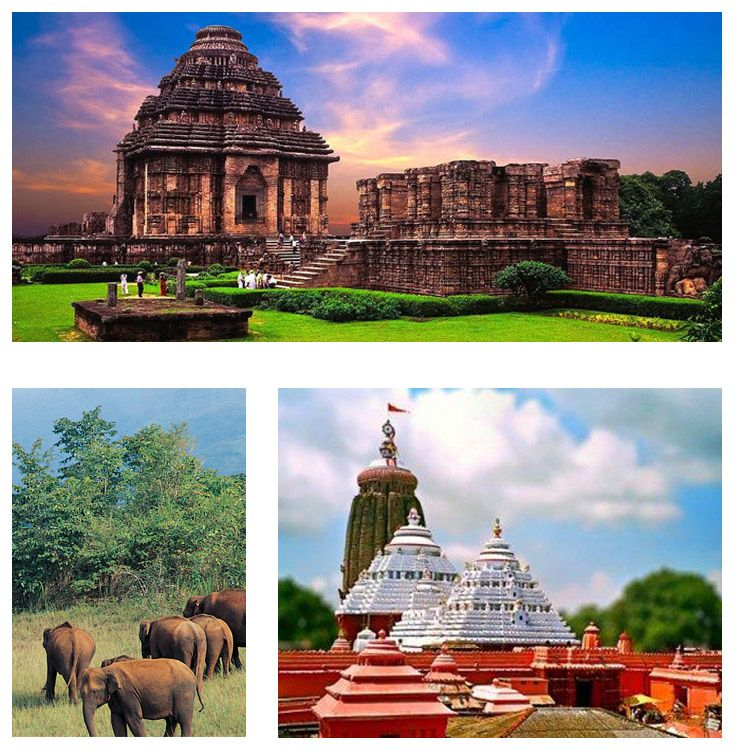
Konark, famous for the Sun Temple, provides a quieter and scenic stay while remaining accessible to Puri. Staying slightly outside Puri can save costs, avoid crowds, and give tourists a chance to experience authentic village life and local culture.
Booking Tips for Last-Minute Travelers – Secure Your Stay with Ease
Travelers who plan last-minute trips can check MyPuriTour, which offers reliable options near Puri. This ensures a smooth booking experience and access to accommodations even during the peak festive season.
Tips for Safe and Comfortable Travel During Peak Season
Traveling to Puri during the festive rush requires thoughtful planning and smart decision-making. With heavy crowds, busy roads, and high demand for services, travelers must stay alert and prepare well in advance. Following tips will help navigate Puri safely and comfortably during the peak season:
1. Traffic and Crowd Management – Navigate Puri Smoothly
Puri faces heavy congestion near NH16, Jagannath Temple, and Beach Road during peak hours. Traveling early morning or late evening helps avoid long delays. Plan your itinerary with buffer time to move comfortably without rushing.
2. Personal Safety – Protect Your Belongings
With crowded beaches and markets, keep valuables secure using anti-theft bags or crossbody pouches. Limit cash and use digital payments for safety. Stay alert in festival gatherings where pickpocketing risks increase.
3. Health Precautions – Maintain Hygiene and Wellness
Carry masks for densely crowded places and use sanitizers frequently. Stay hydrated, especially while exploring beaches or waiting in temple queues. Avoid unhygienic food stalls to prevent seasonal infections or stomach issues.
4. Travel Routes – Choose Faster, Safer Options
Follow NH16 via Bhubaneswar for the smoothest road travel and check live navigation for diversions. Trains are highly recommended to avoid traffic and parking hassles. Shuttle services from Bhubaneswar, Konark, and Chilika offer easy travel when Puri roads get congested.
5. Carry Essentials – Be Ready for Emergencies
Keep a small first-aid kit with basic medicines and allergy tablets. Store ID proofs, hotel confirmations, and emergency numbers in a safe pouch. Carry power banks, water bottles, and snacks to avoid inconvenience during long waits.
Best Time to Visit Puri to Avoid the Rush
Travelers who prefer a peaceful, slow-paced, and crowd-free experience, planning an off-peak visit is the best way to enjoy Puri’s true charm without the seasonal rush.
Alternative Months – Enjoy Calm Weather, Fewer Tourists & Natural Beauty
Visiting Puri between June–September or late January–March offers a much more relaxed atmosphere compared to the festive season.
During monsoon, the city transforms with lush greenery, cooler winds, and a refreshing coastal ambience, perfect for nature lovers and photography enthusiasts.
The months after New Year—especially February and March—bring pleasant temperatures, clear skies, and minimal tourist movement, making it easier to explore temples, beaches, and nearby attractions.
These months also allow travelers to enjoy less traffic, smoother sightseeing plans, and a more peaceful pilgrimage experience.
Benefits of Off-Peak Travel – Save More, Explore Freely & Enjoy Authentic Experiences
Off-season travel ensures cheaper hotel rates, more availability, and lower transport costs, giving travelers better value for money.
Popular spots such as the Jagannath Temple, Swargadwar Beach, Marine Drive, and local markets remain less crowded, allowing you to explore comfortably without long waiting hours.
Darshan becomes smoother, beach walks feel more relaxing, and you can enjoy uninterrupted views of sunrise and sunset without the holiday crowd.
With fewer tourists around, travelers can engage more deeply with local culture, traditional food, handicraft shops, and village life, experiencing Puri in its most authentic form.
Off-peak travel also offers more flexibility—you can change plans easily, spend extra time at attractions, and enjoy a calm, stress-free holiday.
FAQs
1. What is the dress code for visiting the Jagannath Temple?
There is no strict written dress code, but modest and traditional clothing is expected. Men typically wear shirts and full pants, while women prefer sarees or salwar suits. Avoid shorts, sleeveless tops, or revealing outfits to ensure a respectful visit.
2. What are the must-try local foods in Puri?
Popular dishes include Mahaprasad (served at Anand Bazaar), Dalma, Khaja, Chhena Poda, Chungudi Jhola (prawn curry), and fresh seafood at beachside eateries. Early mornings are ideal for tasting authentic temple-style vegetarian meals.
3. What are the best shopping spots in Puri?
For handicrafts, visit Grand Road Market, Swargadwar Market, and local artisan villages like Raghurajpur, known for Pattachitra artwork. Bargaining is common, so compare prices before purchasing.
4. What is the best beach for families and kids?
Golden Beach (Blue Flag certified) is the safest option, with trained lifeguards, clean surroundings, and designated swimming zones. It’s ideal for families and offers better security and maintenance compared to other beaches.
5. What is the best time to get darshan at Jagannath Temple without long queues?
Early mornings between 5:30 AM–7:00 AM and late afternoons after 3:00 PM usually see shorter queues. Avoid weekends, festival days, and public holidays for faster darshan.
6. How much time does it take for darshan at Jagannath Temple during peak season?
During peak tourist weeks or festivals, darshan can take 2–4 hours depending on crowd size. On normal weekdays, it may take just 30–45 minutes.
7. What is the cost of hiring an auto-rickshaw or cab for sightseeing in Puri?
Local auto-rickshaws usually charge ₹200–₹400 for short trips, while full-day sightseeing in a cab can cost ₹1,800–₹2,800 depending on the vehicle type and season.
8. How can I attend the Sandhya Aarti or special rituals at the Jagannath Temple?
The Sandhya Aarti is held every evening, but entry depends on temple crowd levels and administrative guidelines. It is advisable to arrive early and consult temple volunteers for access.
9. Are lockers available at Puri Beach and Jagannath Temple?
Lockers are available near the temple’s designated mobile/camera deposit counters. At beaches, lockers are limited, so it’s safer to carry only minimal valuables.
10. What are the opening and closing times of the Jagannath Temple?
Temple typically opens around 5:30 AM and closes around 10:00 PM, with multiple rituals and food offerings throughout the day. Timings may change during festivals.