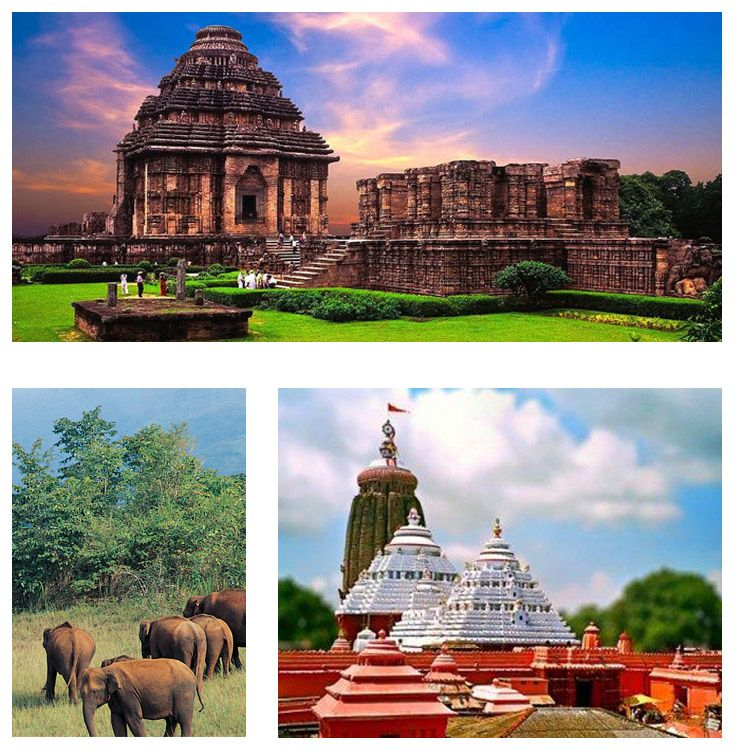
Visiting the historic Jagannath Temple in Puri is a spiritually uplifting experience. To make the most of it, you need to know the latest rules for 2025, from entry to dress code to mobile and camera usage — plus some insider darshan tips to help you plan smoothly. The updates are from official and trusted Government sources so you can arrive prepared.
Summary Table
| Category | Key Rules / Tips |
|---|---|
| Entry permissions | Only Hindus allowed inside shrine. |
| Entry system | New queue system in effect from Jan 1 2025, dedicated gates. |
| Dress code | Traditional, modest attire. No shorts, sleeveless, torn jeans. |
| Mobile/camera policy | No mobile phones, cameras, leather items inside inner sanctum. |
| Security & crowds | Peak times are heavy; plan early and minimal baggage. |
| Practical advice | Carry ID, leave gadgets at hotel/deposit, follow staff. |
| Festival complexity | Huge crowds during events; extra time and patience needed. |
Entry Rules & Permissions
What’s allowed, who can enter, how the flow works
Who may enter:
- Only Hindus are permitted inside the sacred inner sanctum of the temple. This rule is often reiterated in temple guidelines.
- Non-Hindus and foreigners generally are not allowed entry into the main shrine area.
Entry point / Gate system:
- A new queue management system (“Dhadi Darshan” as know as Queue Line) has been introduced effective 1 January 2025. Devotees will enter through a specified gate (e.g., Satapahacha) and exit through separate gates — to streamline the flow and reduce congestion.
- On busy festival days, like you’ll see at the temple, entry may be restricted via certain gates as per the Shree Jagannath Temple Administration (SJTA) announcements.
Timings:
- The temple opens early morning (around 5:00 am) for its first ritual (Mangal Aarti), and remains open until late night after the final rituals — however, specific darshan windows can vary.
- Expect longer queues and slower movement during peak season or festival days.
Entry Fee / Tickets:
- There is no standard entry fee for general darshan of the main shrine (but special entry segments or VIP queues may cost extra).
- It’s wise to check ahead for any updated “special darshan / premium queue” policies.
Why this matters
- Arrive early — first slot tends to be less crowded.
- Ensure you use the correct gate and follow signage/guides — wrong entry may result in long waits or re-routing.
- On major festivals (like the Rath Yatra) expect huge crowds and extra security.
Dress Code – What to Wear (and What Not to)
Clear rules + practical advice
Mandatory “decent attire” rules:
- From 1 January 2024 the temple administration made a stricter dress code in effect, and these rules are still active in 2025.
- Clothing items not allowed: half‐pants/shorts, ripped or torn jeans, skirts above knee length, sleeveless tops/dresses.
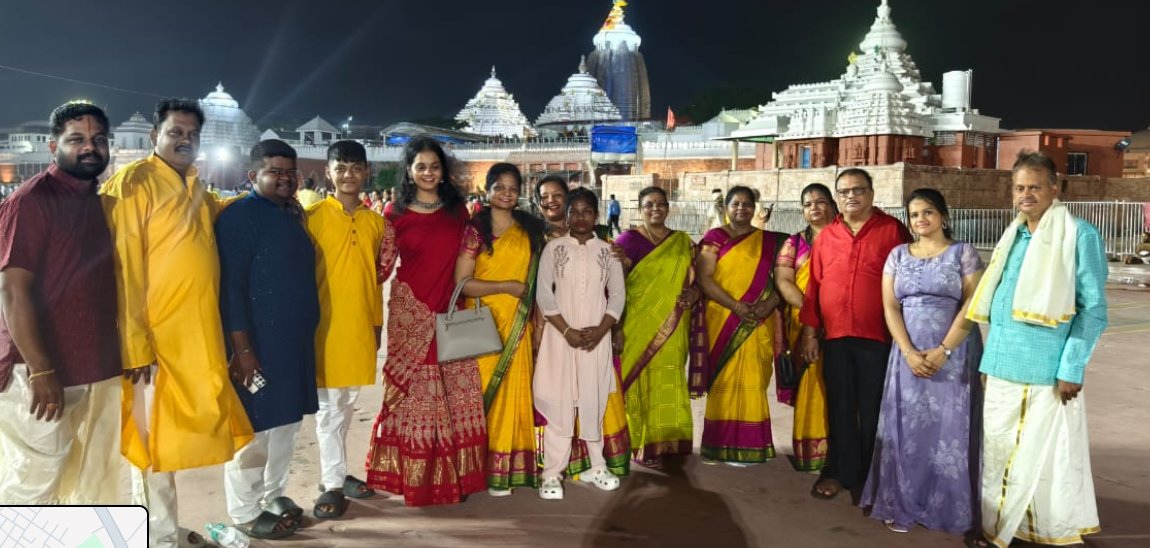
- Recommended/allowed: traditional wear such as a dhoti or kurta-pajama for men, saree or salwar-kameez for women. Cover shoulders and knees.
Additional dress-related rules:
- Leather items (belts, wallets, etc) and accessories may be restricted inside certain parts of the temple.
- Use of plastic/polythene, chewing pan/gutkha in the temple premises is banned.
Practical tips
- If you are travelling from outside Odisha or are used to “tourist casuals”, dress more conservatively for this temple.
- Avoid bright casuals like tank-tops, short skirts, ripped jeans even outside the shrine. You may be stopped at entry.
- For children: though not always explicitly detailed, ensure they are dressed modestly (no sleeveless/shorts) to avoid inconvenience.
- Carry an extra scarf or shawl if you feel your outfit may be borderline (especially for women).
Mobile Phones, Cameras & Other Prohibited Items
What you cannot bring inside the sanctum & surrounding areas
Mobile phones, cameras, electronic gadgets:
- The temple strictly prohibits mobile phones, cameras and other electronic gadgets inside the inner sanctum.
- A detailed “mobile policy” states that phones must be left outside, and possibly deposited or secured.
Other prohibited items:
- Footwear, leather items, belts, wallets may not be permitted inside.
- Non-vegetarian food, chewing pan/gutkha, use of plastic / polythene bags are banned in the temple premises.
Why this matters
- Strict checks are in place. If you attempt to carry a phone/camera you may be asked to deposit it, or barred from entering.
- Many visitors have reported that security screening and bag checks are time-consuming, especially during peak times.
- To have a smooth darshan, best to leave phone/camera in hotel or deposit outside, carry minimal belongings.
Insider Darshan Tips – How to Make the Most of Your Visit
Practical pointers & lesser-known tactics
Plan the timing smartly:
- Visit early morning (first slot) when crowds are relatively fewer and you can avoid the midday rush.
- Avoid 9 am-11 am and 4 pm-6 pm if possible, as these are peak checking times and lines add up.
Use the new queue system to your advantage:
- Since the new queue system (Dhadi Darshan) is in effect from 1 January 2025, expect more organised entry and exit flows. Knowing this you can pick an entry gate accordingly.
- Follow signage, volunteers/staff instructions — this helps you enter and exit smoothly rather than get stuck in congestion.
Understand crowd behaviour at festivals:
- On major festival days, like the Rath Yatra or when special pujas are on, the temple and its roads get very crowded; plan extra time for arrival, security checks, parking.
- Carry water, dress light (but modest) and be prepared for longer waits.
What to carry (and not):
- Carry a valid ID proof (some sources suggest this is needed at entry) and keep its copy accessible.
- Avoid unnecessary bags; minimal items mean faster security checks.
- Since phones/cameras are disallowed, store photos/video expectations accordingly — your memory will have to suffice!
- Wear comfortable footwear but be prepared to remove it before entering the sanctum (as is standard).
Respect the norms & rituals:
- Be mindful of the dress code and mobile/camera restrictions. Breaking them may lead to being turned away.
- Maintain silence/peace in the inner sanctum area; avoid loud behaviour or jokes.
- Donate or participate in offerings if you wish, but through proper channels rather than un-official persons.
Post-darshan suggestions:
- After darshan, you might want to explore the surrounding temple complex, the Mahaprasad area, or nearby attractions in Puri. Arriving a bit after peak crowd hours might give you calmer time to absorb the atmosphere.
- If the queue was long, consider relaxing nearby rather than rushing out.
Jagannath Temple in Puri – it’s a pilgrimage experience steeped in tradition. By respecting the 2025 rules for entry, dress, mobile/camera use and by following practical tips, you’ll ensure a smooth and reverent darshan.