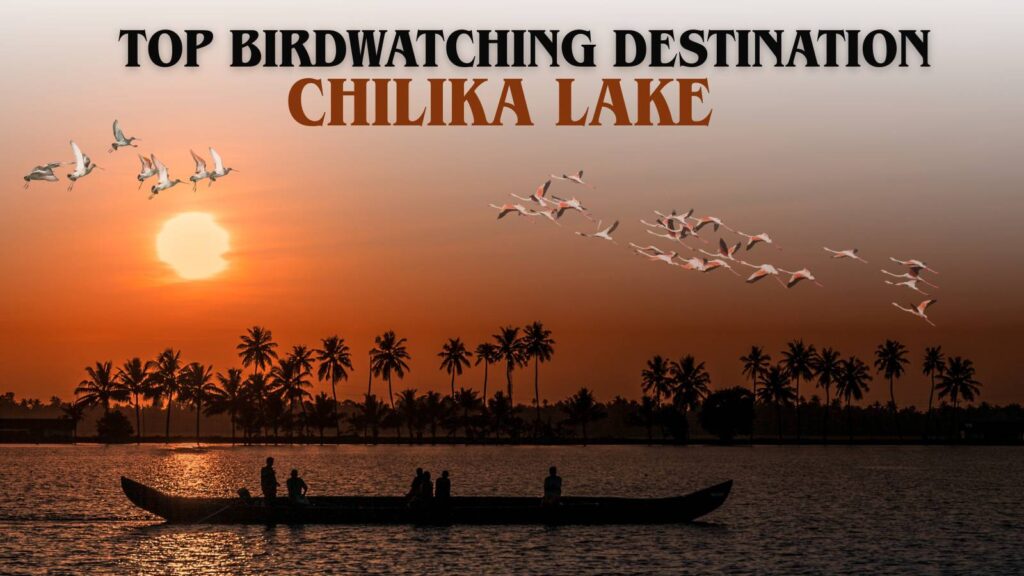
Every winter, as the temperature drops and the migratory paths of thousands of birds align, Chilika Lake in Odisha transforms into a spectacular natural theatre. This serene lagoon, Asia’s largest brackish water body, turns into a paradise for birdwatchers, photographers, and nature lovers.
Soothing sound of waves, the soft flutter of wings, and the sight of flamingos painting the skyline make Chilika Lake a truly enchanting escape. It’s not just a destination—it’s a living ecosystem that awakens with the rhythm of migration each winter.
Where Is Chilika Lake and Why It’s So Special
Situated along the east coast of India, spanning over 1,100 square kilometers across Puri, Khurda, and Ganjam districts, Chilika Lake connects directly to the Bay of Bengal. Its unique mix of freshwater and saltwater supports an astonishing diversity of flora and fauna. Recognized as a Ramsar Wetland of International Importance, Chilika Lake is home to over 225 bird species and countless marine creatures, including the endangered Irrawaddy dolphin.
This combination of rich biodiversity, scenic charm, and ecological importance is what makes Chilika a world-class birdwatching destination—a true gem of India’s natural heritage.
Winter Migration: When Birds Turn Chilika Into a Living Canvas
Every year, as winter arrives, the skies over Chilika Lake fill with colors, sounds, and motion. From November to February, millions of migratory birds descend upon the lake, turning it into a living, breathing canvas of wings.
These feathered visitors travel from as far as Siberia, Central Asia, the Caspian region, and even the Arctic Circle. They find warmth and abundance in Chilika’s nutrient-rich waters — feeding, nesting, and resting before continuing their long migratory routes.
Imagine standing by the misty shore at sunrise, as thousands of flamingos, pintails, geese, and sandpipers rise into the sky. It’s a symphony of nature that words can barely capture — a spectacle that makes Chilika Lake the best birdwatching destination in India during winter.
Top Bird Species to Spot at Chilika Lake This Winter
Chilika is home to a dazzling variety of birds — from the rare to the iconic. Some of the top species you can spot include:
- Greater and Lesser Flamingos: With their elegant necks and pink hues, they’re the stars of Chilika’s winter spectacle.
- Spoon-billed Sandpiper: One of the world’s rarest birds, occasionally sighted here — a dream for birdwatchers.
- White-bellied Sea Eagle: A magnificent raptor known for its sweeping flight and powerful dive.
- Bar-headed Geese, Pintail Ducks, and Northern Shovelers: These migratory flocks create a mesmerizing view across the lake’s shallow waters.
- Kingfishers, Herons, and Egrets: Local residents that add charm and movement to the lake year-round.
Best Birdwatching Spots Around Chilika Lake
Each season offers surprises — sometimes even a rare species that hasn’t been spotted in years.
Best Birdwatching Spots Around Chilika Lake Chilika is vast — and each part has its own magic. Here are the must-visit birding zones:
1. Nalabana Bird Sanctuary
Nalabana Island transforms into a thriving sanctuary for migratory birds every winter. The island, which remains submerged during the monsoon months, re-emerges as the waters recede — unveiling a haven for birdlife.
During peak season, Nalabana hosts over 400,000 birds, including flamingos, gulls, pelicans, herons, and sandpipers that flock here from distant lands such as Siberia, Central Asia, and the Himalayas. The sanctuary’s shallow waters and mudflats provide ideal feeding grounds, making it a hotspot for bird photography and research.
Access to Nalabana is restricted to protect its ecosystem, but you can view the flocks from nearby boating routes, especially from Rambha or Barkul.
2. Mangalajodi – Birdwatchers’ Paradise
Mangalajodi, located on the northern fringe of Chilika Lake, is one of India’s finest examples of community-driven ecotourism. Once a hunting ground, it has now transformed into a model bird conservation village thanks to local efforts.
Here, you can experience close-up encounters with hundreds of migratory and resident birds such as purple moorhens, openbill storks, whistling teals, and northern pintails. What makes Mangalajodi truly special is the silent boat ride through its reed-covered wetlands, allowing you to glide just a few meters away from flocks feeding or nesting peacefully.
It’s a dream destination for bird photographers and nature lovers, offering early morning misty landscapes and golden-hour lighting perfect for photography.
3. Rambha Bay – Serenity Meets Scenic Beauty
Located at the southern tip of Chilika, Rambha Bay is famed for its tranquil charm and postcard-perfect scenery. The bay is surrounded by enchanting small islands like Breakfast Island, Honeymoon Island, and Birds’ Island, each with its own unique ecosystem.
Birdwatchers often find pelicans, cormorants, and kingfishers perched along the shores, while the calm waters reflect the morning sky — creating an ethereal viewing experience. Rambha also serves as a base for boat excursions to Nalabana Sanctuary and the surrounding islands, making it a strategic point for exploring Chilika’s biodiversity.
For peaceful retreat with breathtaking views and gentle lake breezes, Rambha Bay is where serenity and birdlife coexist in perfect harmony.
4. Satpada and Kalijai Island – Nature and Divinity Combined
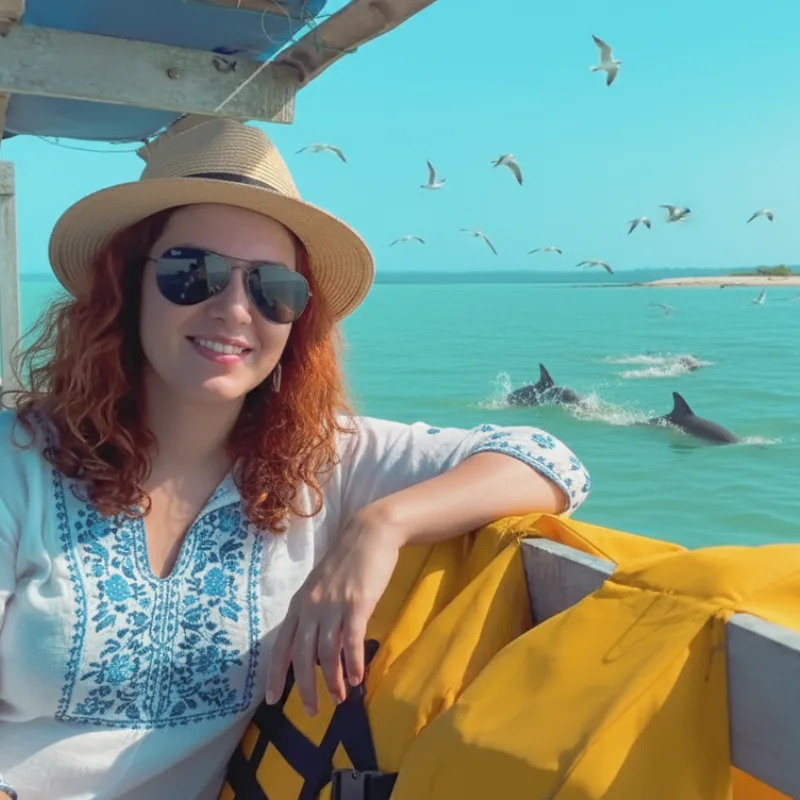
Satpada, located on the eastern side of Chilika Lake, offers a delightful mix of wildlife and culture. It’s famous not only for birdwatching but also for its Irrawaddy Dolphin sightings, one of the rarest species of dolphins found in the world. Bird enthusiasts can spot terns, ospreys, and sea eagles soaring above the waters while enjoying scenic boat rides that take you deep into the lagoon.
Just a short distance away lies Kalijai Island, home to the revered Goddess Kalijai Temple, a spiritual symbol for local fishermen and travelers alike. The island offers a perfect blend of divine serenity and natural beauty — ideal for those seeking a holistic experience that connects nature, wildlife, and culture.
Best Time to Visit Chilika Lake for Birdwatching
Best time to visit Chilika Lake is between November and February, when the migratory birds are in full presence and the weather is pleasantly cool. Early mornings and late afternoons are considered the golden hours for birdwatching, as the lighting and bird activity are at their best.
If planning a trip, consider aligning your visit with the Mangalajodi Bird Festival, held every winter to celebrate and promote eco-tourism in the region.
How to Reach Chilika Lake: Travel Guide for Bird Lovers
Chilika Lake is easily accessible from Bhubaneswar (approx. 100 km) and Puri (around 50 km) by road or rail. Nearest major railway stations are at Balugaon and Khurda Road Junction. Local taxis and tourist buses are available for direct routes to popular birding spots like Mangalajodi and Satpada.
For hassle-free travel and curated birdwatching packages, you can plan your Chilika Lake Birdwatching trip with trusted travel partners like Book MyPuritour.com — offering guided tours, eco-stay options, and customized itineraries to ensure an authentic experience.
FAQs
1. Why is Chilika Lake famous for birdwatching?
Chilika Lake is India’s largest coastal lagoon and one of Asia’s most important birdwatching destinations. Every winter, millions of migratory birds from Siberia, Central Asia, and the Himalayas arrive here, transforming the lake into a vibrant sanctuary. Its mix of salt and freshwater supports an incredible diversity of over 225 bird species, making it a paradise for bird lovers and photographers.
2. When is the best time to visit Chilika Lake for birdwatching?
Best season to visit Chilika Lake is from November to February. During this period, migratory birds arrive in large numbers, the weather remains pleasantly cool, and the lake is teeming with life — perfect for photography, boating, and guided birding tours.
3. Which are the best birdwatching spots around Chilika Lake?
The lake offers several excellent birding zones, including:
- Mangalajodi: Ideal for close-up views of migratory birds and peaceful canoe rides.
- Nalabana Bird Sanctuary: Known for thousands of flamingos, ducks, and pelicans.
- Rambha Bay: Famous for panoramic lake views and large flocks of waterfowl.
- Kalijai Island: Offers a serene blend of birdwatching and local culture.
Each zone has its own ecosystem and charm, offering diverse experiences for nature enthusiasts.
4. What bird species can be spotted at Chilika Lake in winter?
Visitors can witness Flamingos, Herons, Egrets, White-bellied Sea Eagles, Northern Pintails, and Gadwalls among others. Rare sightings like the Spoon-billed Sandpiper, Ruddy Shelduck, and Spot-billed Pelican draw global birdwatchers every year.
5. How can I reach Chilika Lake for birdwatching?
Chilika Lake is well-connected by road and rail. The nearest airport is Bhubaneswar (around 100 km), while Balugaon and Khurda Road Junction are the closest railway stations. Visitors can hire cabs, take local buses, or book guided tours through Book MyPuritour.com for a hassle-free travel experience.
6. Are guided birdwatching and eco-tours available?
Yes. Local communities and eco-tourism groups offer guided tours, canoe rides, and bird photography trails. These tours are designed to promote responsible travel while providing visitors a chance to observe birds up close without disturbing their habitat.
7. Why is Mangalajodi considered a must-visit spot for birdwatchers?
Mangalajodi, often called the “Bird Paradise of Asia,” is a community-managed wetland where visitors can experience birds from just a few meters away. The quiet, non-motorized canoe rides allow intimate encounters with migratory species in their natural setting — a must for photographers and nature enthusiasts.
8. What other activities can I enjoy at Chilika Lake besides birdwatching?
Apart from birdwatching, visitors can enjoy Irrawaddy dolphin spotting, boat rides, sunset cruises, and island exploration. The annual Mangalajodi Bird Festival also attracts wildlife photographers and conservationists from across the world, making Chilika a well-rounded destination for nature and culture lovers.